Water Damage Restoration in Kiawah Island
A wet villa floor, flooded garage, or dripping ceiling needs a plan matched to its source. Restoration starts with safe access, water removal, and an inspection of the materials holding moisture.
Cleanup follows the water through the building
The visible puddle may connect to wet cabinets, insulation, or floor layers. Select the service that best describes the source or affected space.
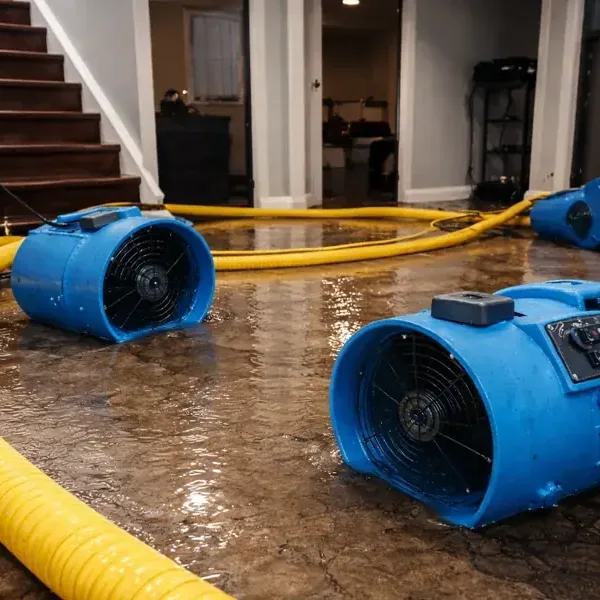
Water Extraction and Removal
Standing water needs removal before soaked materials can dry. Extraction includes checking adjoining surfaces where the puddle has already disappeared.
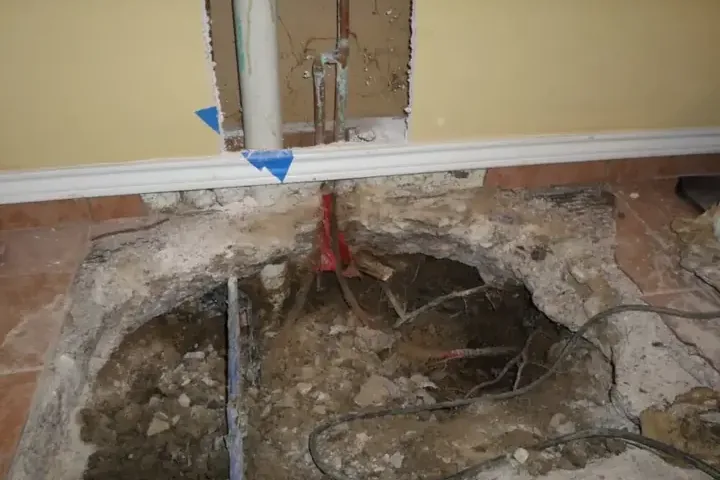
Slab Leak Water Damage
Damp flooring over concrete calls for moisture mapping and plumbing diagnosis before any opening. Foundation construction determines the next move.
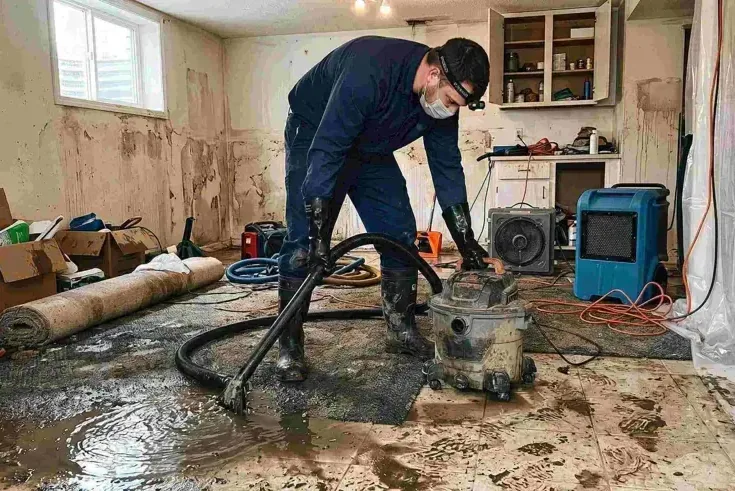
Sewage Backup Cleanup
Wastewater requires separation from occupied rooms, controlled removal, and cleaning of salvageable surfaces. Porous materials receive a separate contamination assessment.

Burst Pipe Water Damage
A broken supply pipe can feed several rooms through a wall cavity. Isolation and tracing the water path shape cleanup.
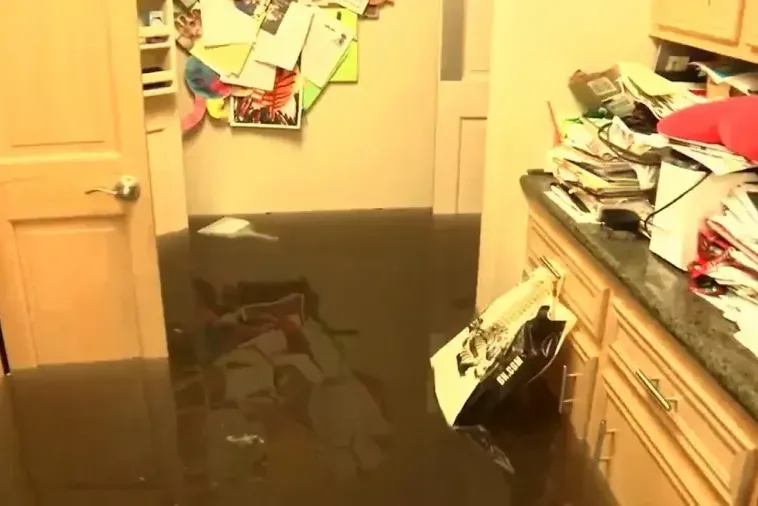
Storm and Flood Cleanup
Outdoor water brings a different cleanup problem from a household spill. Debris, entry points, and safe return all affect work.
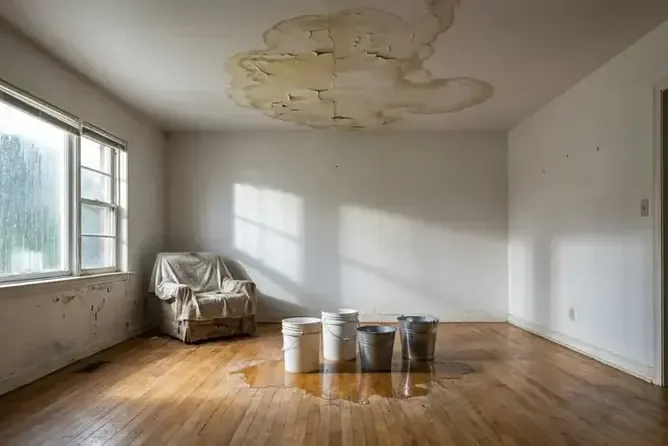
Roof Leak Water Damage
Rain entering above a ceiling can wet insulation before staining appears indoors. Interior drying must accompany repair of the roof opening.
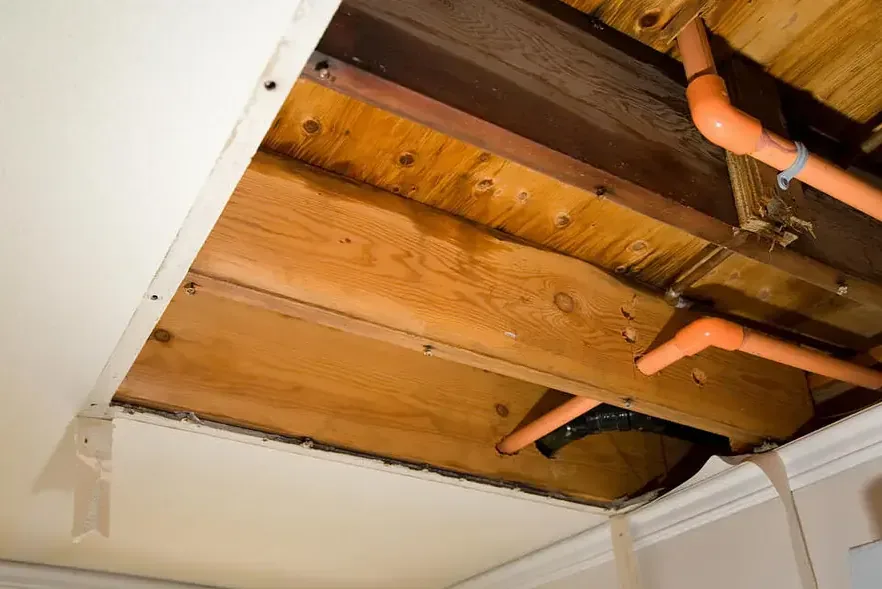
Ceiling Leak Water Damage
Overhead drips need source tracing and a stable work area. Wet ceiling materials receive attention before furniture returns beneath them.
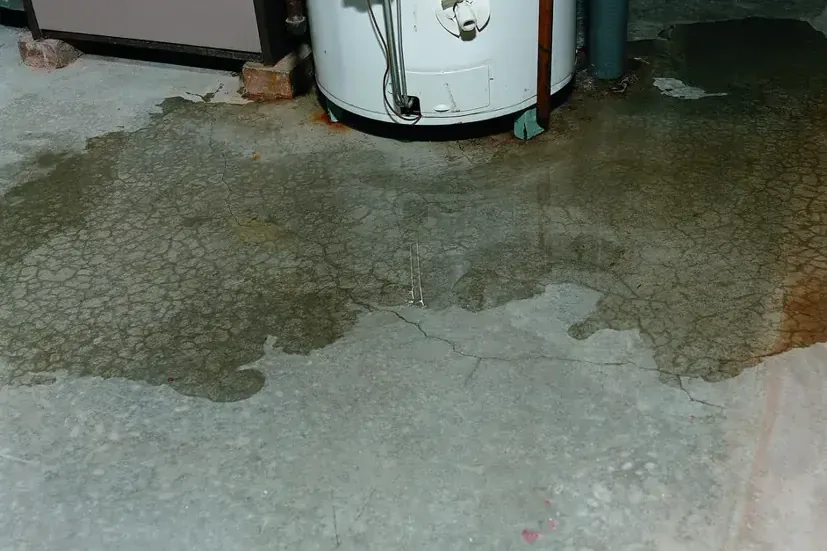
Water Heater Leak Cleanup
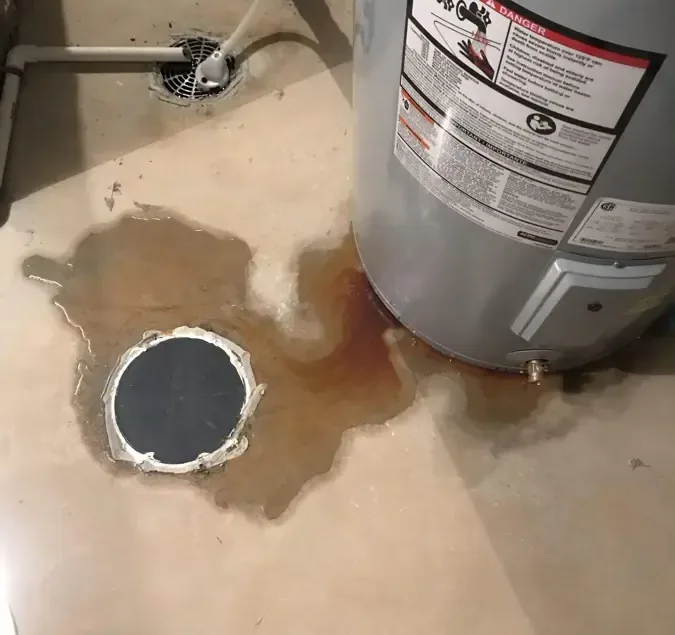
Water around a heater can slip under nearby walls and storage. Cleanup checks the surrounding finishes after safe equipment isolation.
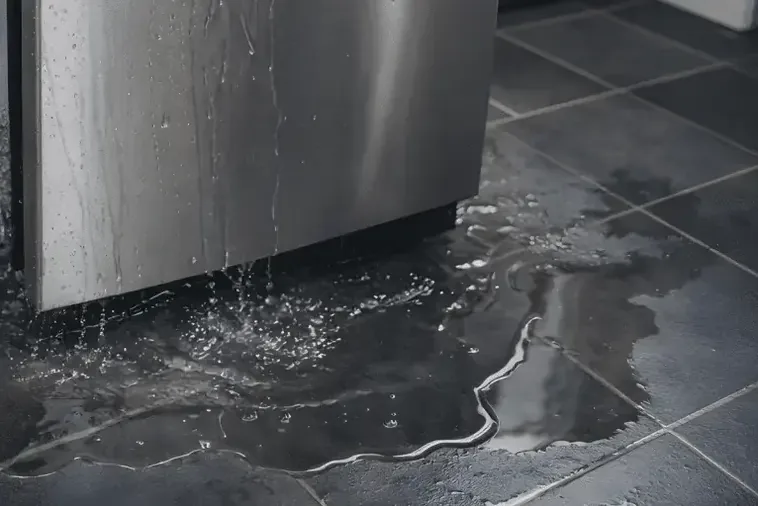
Appliance Leak Water Damage
A failed appliance connection can leave cabinet bases wetter than the exposed floor. Inspection reaches behind accessible panels and edges.

Crawl Space Water Removal
An enclosed underfloor area needs an entry assessment before pumping. Open space beneath a piling cottage requires a different approach.
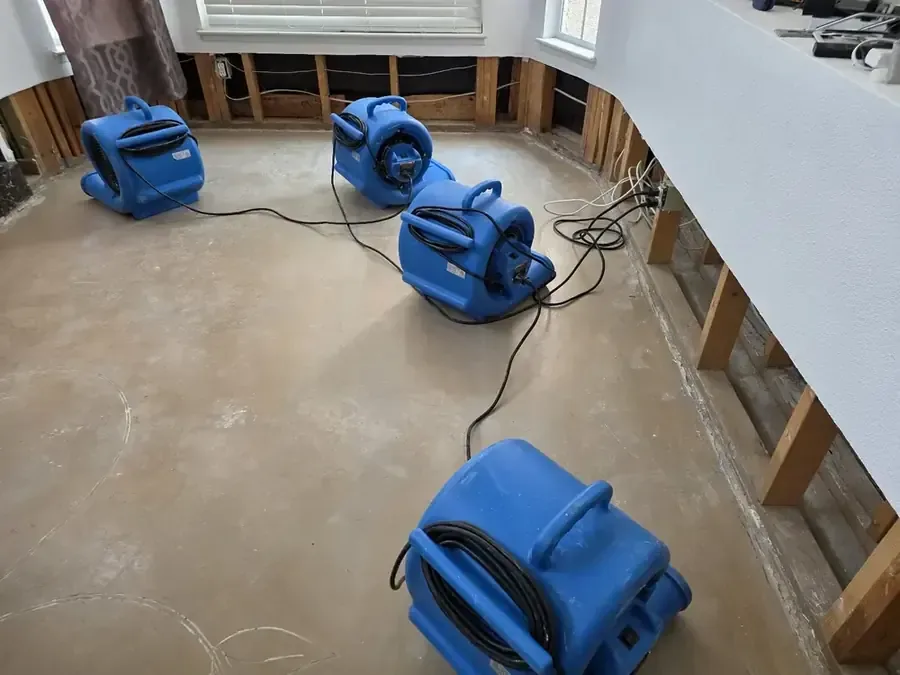
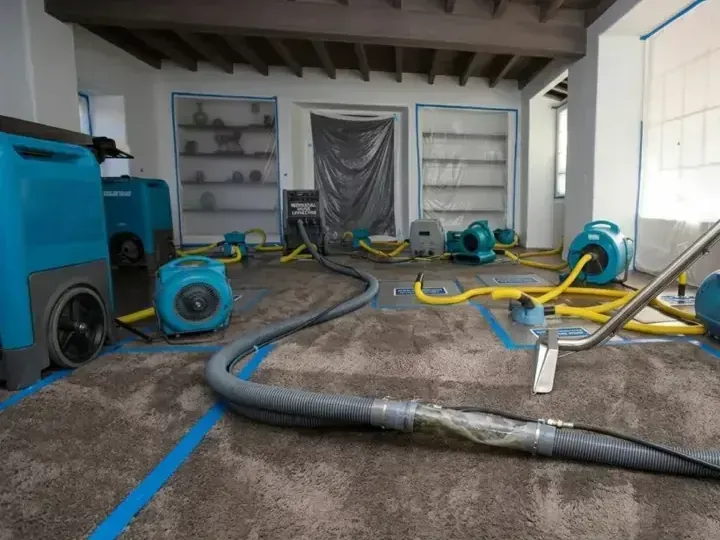
Structural Drying
Material readings establish whether retained framing is ready for repairs. Repeated checks track the remaining moisture inside the affected building assemblies.
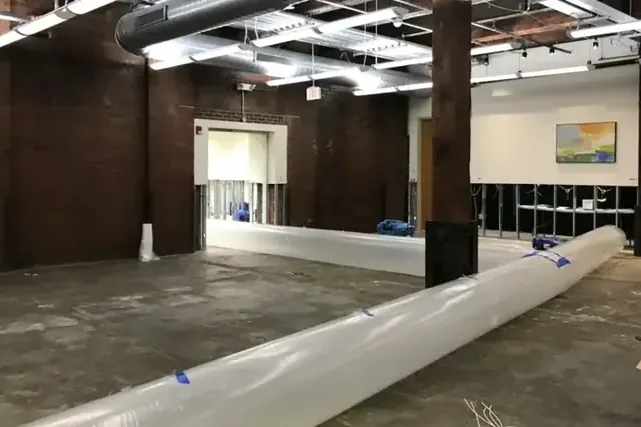
Commercial Water Damage
Shops, lodging, and rental properties need an agreed access plan. Affected rooms, contents, and operating areas are documented separately.
The building decides the drying approach
A cottage on pilings and a villa can hold water in different places. The inspection connects the visible damage to the actual building assembly.
Source before finish
The water origin determines what needs cleaning and what can be dried. A ceiling stain receives a source investigation before its appearance is addressed.
Room by room
A written moisture map separates wet assemblies from unaffected finishes. That distinction helps an owner understand why access or material removal is proposed.
Accessible explanations
Equipment placement should come with a reason. Owners can ask which material is being dried, how progress is checked, and what remains inaccessible.
Useful closing records
The final record should connect initial conditions, removal decisions, and drying readings. Repair planning becomes clearer when remaining work is identified in writing.
The gear a real dry-out runs on
Keep people clear and preserve useful information
Avoid the wet route
Occupants should stay outside rooms with standing water near electrical equipment. A dry doorway offers a safer place to observe the affected area.
Identify ongoing entry
A safely reachable supply valve may stop a plumbing release. Outdoor flooding and roof entry need different source controls before interior work can proceed.
Record the discovery
Photos taken from a safe position can show the original spread. The discovery time and last known dry visit help explain an unattended loss.
Arrange building access
An owner or authorized manager should identify the entry contact and any restricted areas. Access arrangements matter when a rental property is unoccupied.
Protect the clear rooms
Clean belongings can stay outside the work area. Moving wet contents through unaffected rooms can spread moisture or contamination and complicate the cleanup.
How a Kiawah Island water loss gets handled
Establish the boundary
The initial assessment identifies wet rooms, source conditions, and electrical or overhead hazards. Unaffected areas stay separate from the work zone and equipment routes.
Remove recoverable water
Extraction addresses standing water and accessible saturation. Remaining moisture is then checked in floor edges, wall bases, and other connected assemblies before equipment placement.
Adjust the drying
Material readings inform equipment changes as drying progresses. The plan can change when an exposed surface improves but a concealed layer still holds moisture.
Explain repair readiness
A closing check records the condition of treated materials and any remaining restrictions. Replacement work follows the drying assessment rather than a calendar estimate.
What does Kiawah Island water damage cleanup cost?
Planning ranges depend on the amount of affected material, water condition, and access for drying. An inspection separates a contained leak from connected room damage and identifies removal work before a property owner approves the written scope.
| Restoration scope | Typical range |
|---|---|
Contained interior loss
| $1,200 to $2,500 |
Connected room damage
| $2,500 to $8,000 |
Extensive property loss
| $8,000 to $20,000 |
These figures support initial planning. Source repair, replacement finishes, and unusual access conditions need separate discussion so the approved work reflects the inspected property rather than a broad estimate.
Water removal, opened assemblies, and moisture measurement
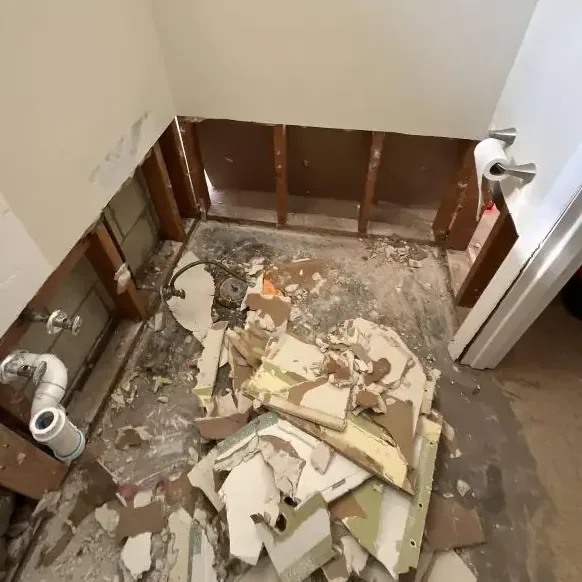
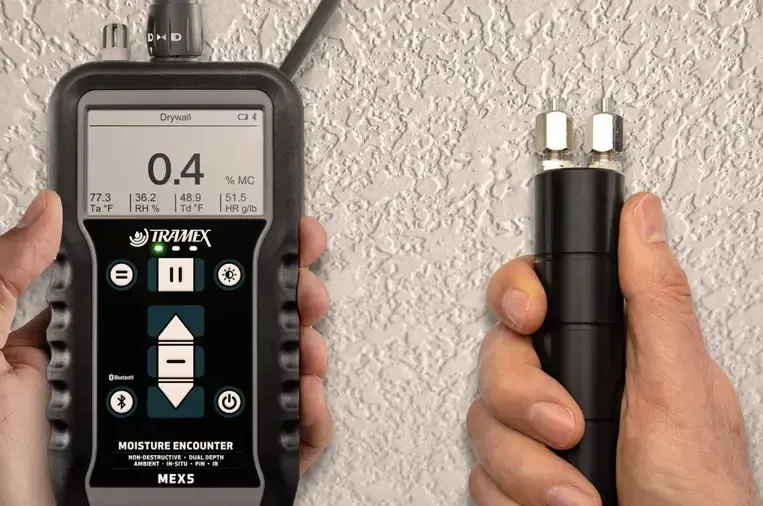
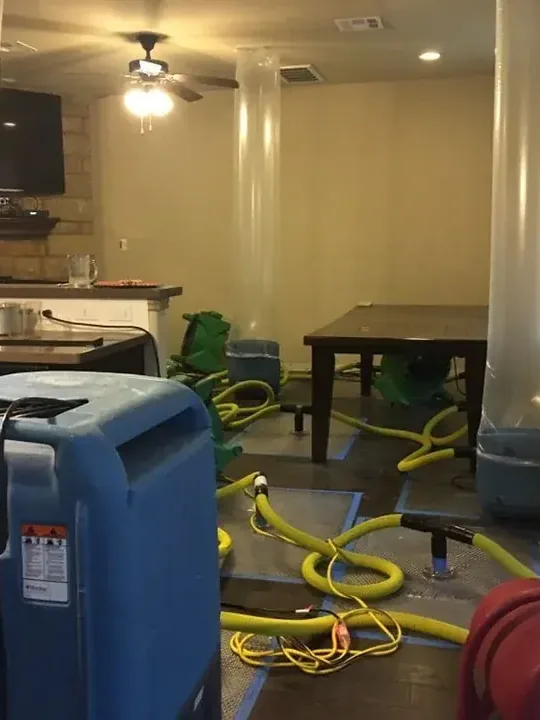
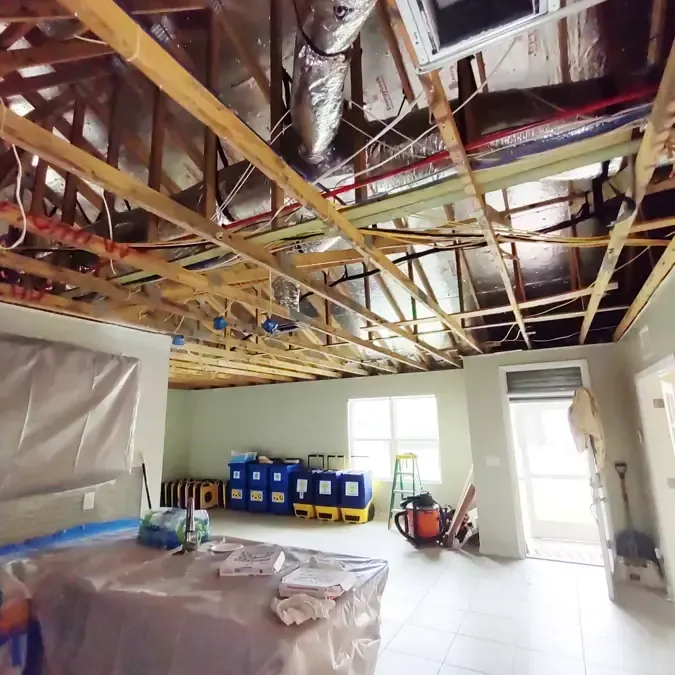
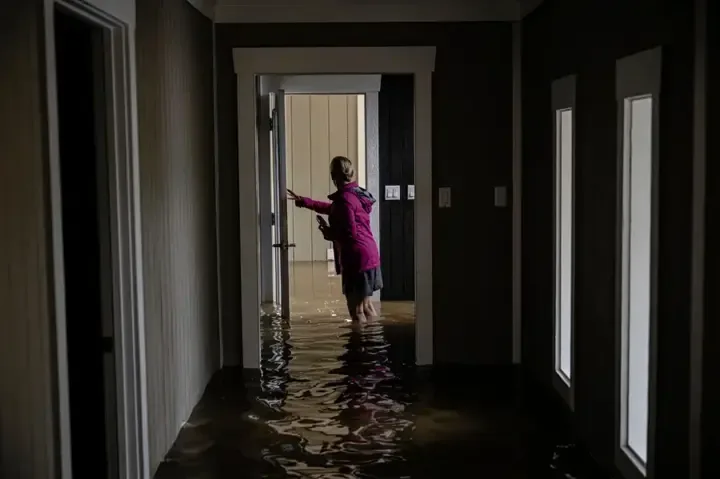
A clear sequence from entry to repair readiness
Cleanup needs checkpoints that owners can understand. Each stage should explain what changed inside the property and why the next operation is appropriate for the materials.
Document the loss from discovery
Photos and a clear sequence of events help explain the water damage. Coverage decisions depend on the policy and the insurer's check of the particular cause.
- Discovery date and last dry inspection
- Photos showing entry and affected finishes
- Damaged belongings with brief descriptions
- Source repair details and related receipts
- Work authorization and itemized cleanup records
Planning work without a claim
An owner paying directly can request a scope that separates urgent removal from later reconstruction. That makes the immediate decisions easier to check before authorizing additional finish work.
Any change should describe the newly exposed condition and its effect on cost. A written explanation is more useful than adding equipment or demolition without an agreed reason.
Kiawah Island cleanup coordination
Areas and access corridors
Town ZIP
29455
Nearby service communities
An entry contact helps work begin
Kiawah Island Parkway connects the Freshfields traffic circle and the main gate. Property owners should provide the authorized entry contact and instructions for reaching the affected building.
For a villa or vacation rental, access to adjoining spaces may require a manager's involvement. The call should identify who can approve inspection and communicate with occupants.
(888) 532-8921Discuss property entry arrangementsPlan before you call
Drainage, tides, and building entry
Kiawah Island has interconnected ponds and marsh drainage. The 2018 town account describes tide restrictions on gravity drainage, making the water source an essential part of a flood assessment.
The Beachwalker/Inlet Cove outfall served much of the pond drainage west of Vanderhorst Gate in the 2018 account. High tides constrained that gravity drainage.
Sand, pine straw, mulch, and yard debris appear among documented drainage obstructions. A flooded property assessment should distinguish exterior accumulation from an interior plumbing release.
Inlet Cove, Sparrow Pond, and Night Heron include cottages built on pilings. The actual enclosure and affected materials determine what underfloor inspection or removal involves.
The town account identifies older homes with lower first-floor living spaces primarily in West Beach. After outside water entry, these finishes need their own condition assessment.
October 2015 brought prolonged heavy rainfall and widespread flooding. Interior work after such an event includes looking beneath exposed flooring and behind water-marked wall finishes.
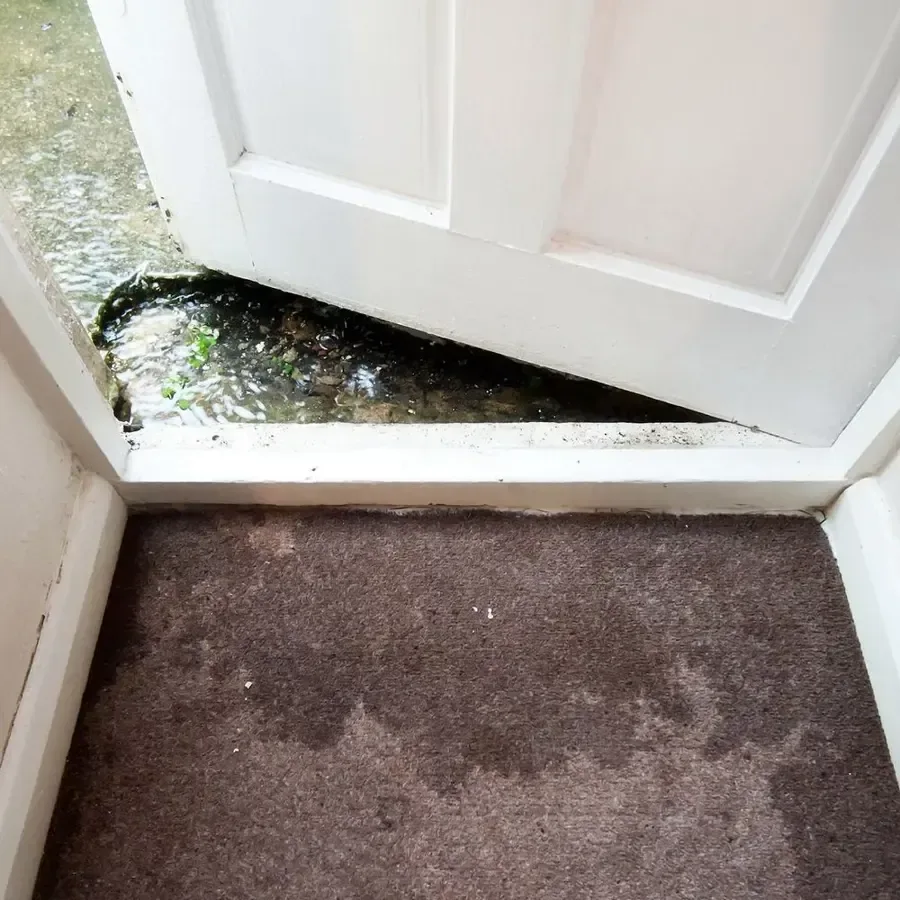
September 2017: Tropical Storm Irma prevented travel and damaged some garages and first-floor spaces as river and marsh water entered parts of the island.
Supply water, appliance discharge, and sewage need distinctions
Pressurized supply release
A pipe break needs prompt isolation and inspection beyond the nearest puddle. Water can enter wall cavities while the exposed room still looks manageable.
Trace supply waterWater beneath appliances
An appliance spill may involve a supply connection or dirty discharge. Cabinet access and floor construction affect the cleaning and drying choices afterward.
Inspect the appliance footprintWastewater in occupied space
Sewage should remain isolated from people and unaffected belongings. Controlled removal and surface treatment come before any discussion of restoring the room finishes.
Check wastewater cleanupQuestions after water enters
Can a property be inspected while its owner is away?
An authorized representative can arrange entry and communicate the observed damage. The owner should clarify who may approve work, provide access to affected rooms, and receive records before any material removal is authorized.
Does a dry-looking floor mean cleanup is finished?
Moisture can remain beneath a floor covering or inside the wall beside it. Material checks help identify those pockets and establish whether additional access or drying is needed before replacement finishes are installed.
Should occupants move furniture out of a flooded room?
Heavy items should remain untouched when electrical hazards, contaminated water, or unstable finishes are present. Safe contents handling can be included in the work plan so belongings do not carry wet debris through clean rooms.
Are outdoor floodwater and a supply leak handled alike?
Their sources create different cleaning requirements. Outdoor water can carry contaminants and debris, while a supply leak needs an assessment of its path and exposure. The material decisions follow those conditions at the property.
What if the water has reached a neighboring villa?
A property manager should coordinate access to each affected space. The moisture assessment can then follow connected assemblies and document the boundary between units, instead of ending at the room where the leak was discovered.
Can restoration start before a roof repair is complete?
Protective interior measures may be appropriate once entry is safe, but continuing rainwater entry must be controlled. The roof repair and interior drying need coordination so newly dried materials are not repeatedly wetted during work.
Is an open area beneath a cottage a crawl space?
Its construction needs inspection. An open piling area and an enclosed underfloor cavity have different access, ventilation, and material concerns. Cleanup planning should describe the space that actually exists beneath the particular cottage.
What should be saved for an insurance discussion?
Discovery notes, photos, damaged-item descriptions, repair invoices, and cleanup records help explain the sequence. Owners should retain copies even when work is urgent, while leaving coverage decisions to the insurer checking the policy.
When can a repaired room be put back into use?
Reoccupancy depends on the hazards, cleaning status, drying progress, and repair condition. The responsible professionals should identify remaining restrictions clearly, particularly when a room still has exposed wiring, open ceilings, or equipment in use.
Make the next step fit the damage
A clear description of the water source and affected spaces helps turn a stressful discovery into an organized cleanup plan.
(888) 532-8921Arrange an island damage assessment