Structural Drying in Kiawah Island, SC
A room can look recovered while the assembly beneath its finishes remains damp. Structural drying uses measured material conditions to choose equipment, adjust access, and establish when retained surfaces are ready for the next repair.
(888) 532-8921Discuss the remaining material moisture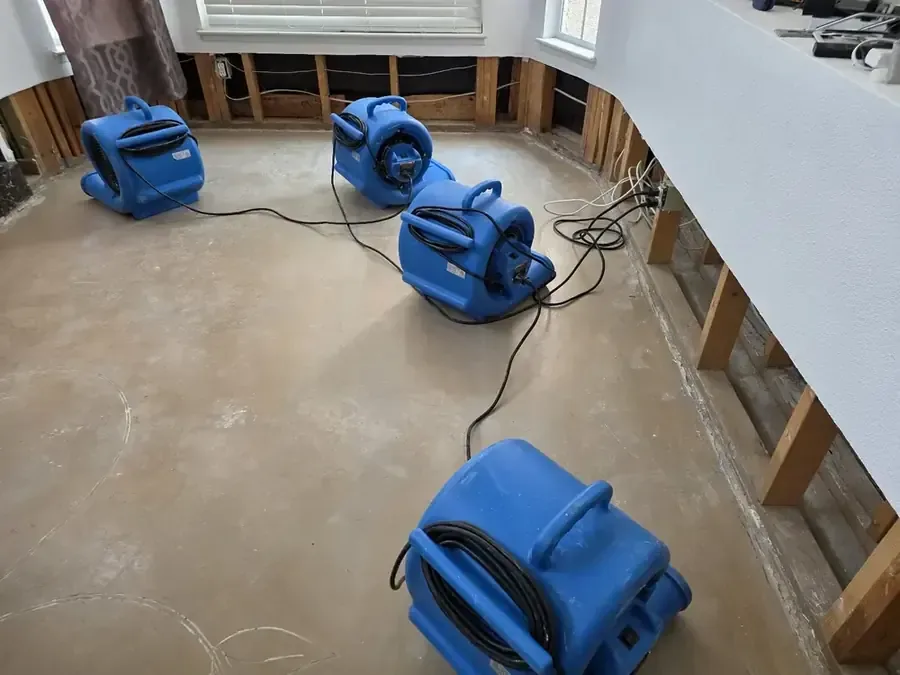
Why Kiawah Island water damage pros follow a measured plan
First steps for structural drying
Identify what remains after removal
The contact identifies completed extraction and removed materials. These details establish which retained assemblies need assessment before equipment is selected.
Make the wet boundary accessible
Furniture and storage should be handled through the work plan so readings can reach wall bases and floor edges. Occupants should avoid covering damp surfaces with rugs or boxes.
Preserve the equipment arrangement
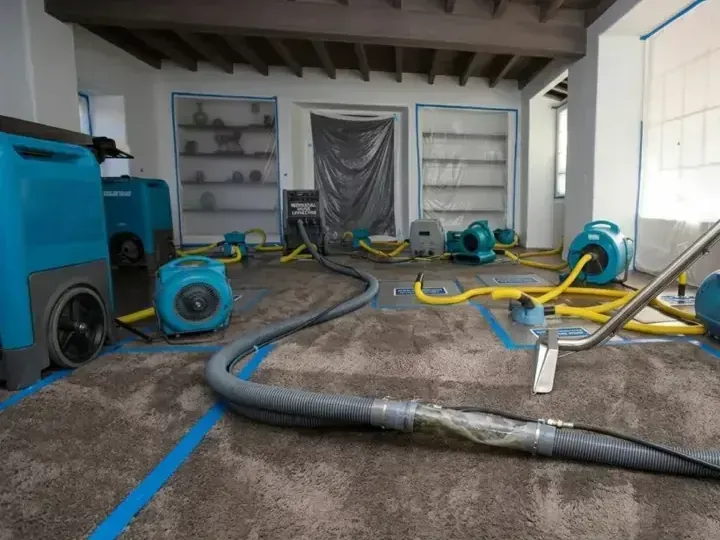
Drying equipment and containment should remain as placed unless the restoration contact approves a change. Moving a machine can reduce airflow to the material it was positioned to reach during treatment.
Coordinate monitoring and repairs
An owner or manager should arrange access for progress checks and communicate planned reconstruction. New finishes should not conceal areas that still require readings or an adjustment in the drying approach.
What does structural drying cost in Kiawah Island, SC?
Structural drying in Kiawah Island depends on retained material density, concealed access, and the moisture response during monitoring. These planning bands describe drying scope; extraction, contaminated material removal, source repair, and replacement finishes should be identified separately where required.
| Work scope | Typical range |
|---|---|
Limited exposed materials
| $1,000 to $2,000 |
Several connected assemblies
| $2,000 to $5,000 |
Dense or extensive moisture
| $5,000 to $10,000 |
An inspection sets the written scope. Water category, affected area, material class and the delay before drying all change the cost. The water damage cost calculator estimates a planning range.
How the structural drying work progresses
Create the initial material record
The inspection maps wet assemblies and comparison locations. Source control and cleaning status establish suitable starting conditions for material drying.
Set conditions around the assembly
Airflow, moisture removal, and access are arranged to reach retained wet surfaces. The equipment layout reflects the building materials and obstructions rather than treating every room as an identical drying space.
Recheck and adjust the approach
Readings at repeatable points show each assembly's response. Slow areas receive further investigation so concealed layers, limited access, or renewed entry can be addressed through an updated plan.
Document the transition to reconstruction
The final assessment records material condition, completed drying, and remaining limitations. The property representative receives information for scheduling finishes and identifying areas still needing another professional's attention.
The end of water removal is the beginning of another assessment: how much moisture remains inside the building materials? Structural drying in Kiawah Island addresses that absorbed water through controlled conditions and repeatable checks. A hard floor may feel dry while its underlayment stays wet, or a painted wall may conceal damp framing. Equipment should be chosen and adjusted for those assemblies rather than for the room's appearance alone.
Measure the building, not just the room air
Humidity readings describe the surrounding air, while material checks examine the wet surfaces and layers being restored. Both can inform the drying plan, but they answer different questions. A useful starting record identifies the affected materials, the locations checked, and appropriate comparison areas. Later readings at the same locations show whether the intended assembly is actually responding.
The September 2017 Tropical Storm Irma account includes damage to some garages and first-floor spaces. West Beach is also identified for older homes with lower first-floor living areas. After such lower-space damage, the assessment should include stored items touching the floor and the connections between garage, wall base, and occupied room, wherever those connections exist at the property.
- Mark representative wet locations for repeatable progress checks.
- Separate air conditions from the moisture condition of materials.
- Inspect adjoining layers when a surface dries unusually slowly.
- Keep drying access clear of stored contents and replacement finishes.
- Explain equipment changes through the material findings that prompted them.
Access determines whether equipment reaches the problem
Air movement across an intact finish cannot always reach moisture beneath it. Cabinet bases, insulation, and sealed floor layers can restrict the drying path. Selective access may be needed to expose the wet assembly, while some damaged materials cannot remain. The scope should explain those decisions before an owner expects equipment alone to solve every concealed condition.
Inlet Cove and Sparrow Pond include cottages on pilings in the town account. Where the affected floor is raised, the underside may offer useful inspection access after safety conditions are established. An enclosed lower space and an open piling area require different arrangements. The drying plan needs the actual structure and wet materials recorded, including any location that remains difficult to reach.
Keep the drying setup under professional control
Occupants should not move equipment, cover intake openings, or alter containment without discussing the change with the restoration contact. Wet electrical systems need appropriate clearance before powered equipment is used, and cords should remain out of occupied routes wherever possible. Dirty floodwater or sewage exposure must be addressed through cleaning and material decisions before airflow is directed across the affected area. A drying machine does not make contaminated material suitable for retention. Room use should follow the work restrictions, especially where finishes are open, wiring is exposed, or equipment creates an access obstruction.
Finish when the retained assembly is ready
Progress can vary between materials in the same room. A wall surface may improve before a dense floor layer, requiring an adjustment in access or equipment placement. The restoration contact should explain what is being checked and why the setup changes. Removal of remaining water or further selective access may be needed if liquid or trapped saturation still prevents useful drying.
The closing record should connect the initial moisture map to the final assessment. Owners need to understand which materials were retained, which were removed, and whether any inaccessible area still requires attention. Replacement finishes should follow that documented condition. A tidy room and the absence of dripping are welcome changes, but the repair decision rests on the retained assembly's moisture status and remaining work.
For a managed rental, the drying contact and property representative should also agree on access for monitoring. Repeated entry allows progress to be checked consistently and keeps repair scheduling tied to the building's condition.
Clear floors can still hide retained moisture. The property contact can describe the original loss, work already completed, and finishes that remain in place so the drying assessment starts with the right assemblies. Access for monitoring and a clear reconstruction schedule help keep replacement work aligned with the condition of the building.
(888) 532-8921Check the remaining drying needsRelated water damage services in Kiawah Island
Structural Drying questions in Kiawah Island, SC
Can a wall feel dry while its interior remains damp?
Yes. The exposed surface can improve before framing or insulation behind it. Material checks and appropriate access help determine whether the retained assembly needs more drying before new finishes conceal the cavity.
Does more equipment always make drying faster?
Equipment needs to match the material and drying path. Additional machines cannot solve every sealed or inaccessible layer, so measurements and access decisions matter more than simply increasing the number of devices in a room.
Why are the same points checked repeatedly?
Repeatable locations make changes easier to interpret. They help show whether an assembly is responding and whether an equipment adjustment actually improved the wet area instead of merely changing the room's air conditions.
Should windows be opened while dehumidifiers operate?
The drying contact should decide the room conditions. Unplanned ventilation changes can alter the equipment's working environment, so owners should discuss comfort or access concerns before opening windows or changing the agreed setup.
Can all wet materials stay if drying begins promptly?
Retention depends on damage, contamination, and whether the assembly can be effectively reached. Some materials require removal even when equipment is available, and the decision should be explained from the actual condition found.
What should a final drying record explain?
It should connect affected materials, monitoring locations, and the closing assessment. Owners need a clear distinction between materials ready for repair and any remaining inaccessible area, source concern, or reconstruction task still requiring attention.
Structural drying in Kiawah Island
Drying assessments include lower rooms in West Beach and cottages at Sparrow Pond or Inlet Cove. The property contact should identify previously removed water, retained finishes, and any spaces that have remained inaccessible since the loss.
The same service nearby: structural drying in Johns Island, Folly Beach, Seabrook Island.
Water damage restoration in Kiawah Island · every town covered
Connect material readings with repair decisions
Access for monitoring and a clear reconstruction schedule help keep replacement work aligned with the condition of the building.
(888) 532-8921Discuss measured structural recovery