Structural Drying in Folly Beach, SC
A room can feel comfortable while its building materials remain wet. Structural drying in Folly Beach uses an assembly specific plan, repeated measurements and access decisions that follow the actual moisture remaining after cleanup.
(888) 532-8921Assess the remaining building moisture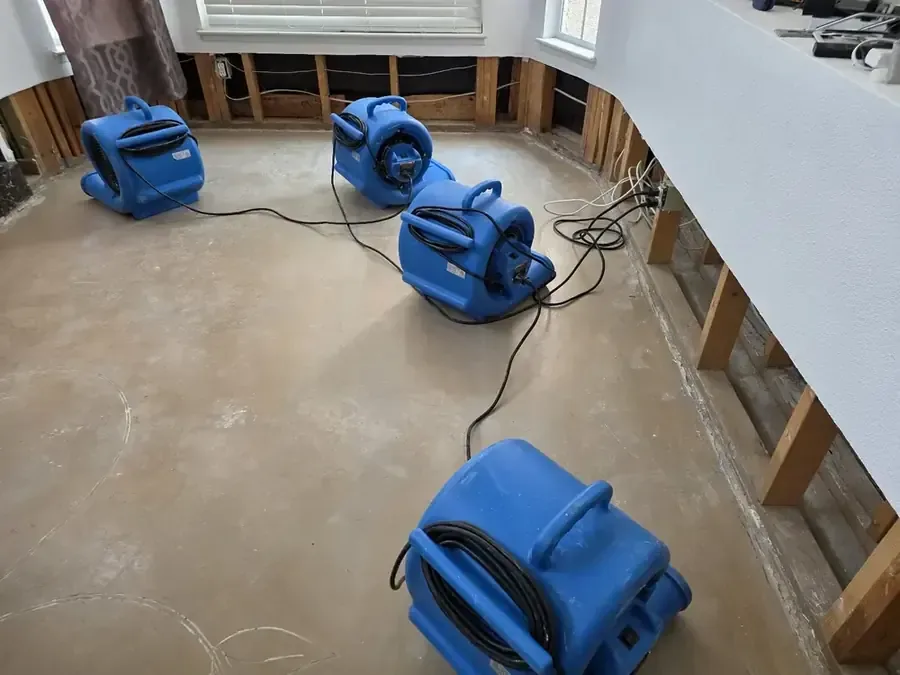
Why Folly Beach water damage pros follow a measured plan
First steps for structural drying
Provide the water loss history
The owner should describe the source, affected rooms and work already completed, including extraction, cleaning and material removal that changed the original moisture footprint inside the building.
Keep measurement locations accessible
Furniture and stored belongings should remain clear of agreed inspection points so repeat readings can follow the same materials and show meaningful changes during the drying process.
Report equipment or access concerns
Noise, cord placement and room access problems should be communicated so the setup can be adjusted deliberately, rather than changing air paths or disconnecting equipment without coordination.
Delay closing wet assemblies
Replacement trim, coverings and wall finishes should follow the drying assessment, preserving access to materials that still need observation or additional treatment before the repair stage begins.
What does structural drying cost in Folly Beach, SC?
Structural drying in Folly Beach is scoped according to retained material depth, connected wet assemblies and access for moisture removal. These ranges describe limited exposed areas through dense or extensive damage, with monitoring and equipment decisions tied to the building conditions.
| Work scope | Typical range |
|---|---|
Limited exposed materials
| $1,000 to $2,000 |
Several connected assemblies
| $2,000 to $5,000 |
Dense or extensive moisture
| $5,000 to $10,000 |
An inspection sets the written scope. Water category, affected area, material class and the delay before drying all change the cost. The water damage cost calculator estimates a planning range.
How the structural drying work progresses
Establish a useful initial moisture record
The inspection identifies affected materials and reference areas, creating measurement points that can be revisited rather than relying on a general impression of room dampness.
Match access and equipment to the assembly
Drying methods are selected around the surfaces that need treatment, with barriers such as sealed cavities or dense coverings addressed before equipment placement is finalized.
Interpret the trend and adjust deliberately
Repeat material checks are considered alongside room conditions and equipment operation, identifying areas that need revised airflow, further access or another look at the remaining water source.
Document the transition into finish repair
The final record explains retained material conditions and the work completed, allowing the repair stage to proceed with a clear account of any remaining preparation or inspection needs.
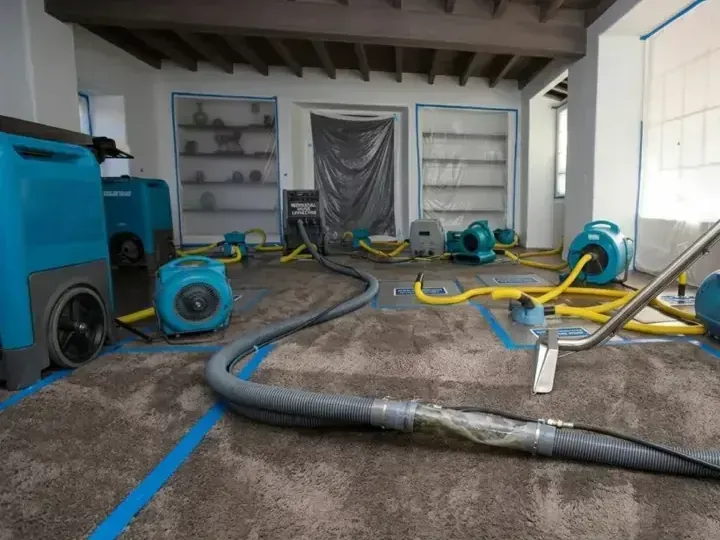
Drying is a material recovery process, not simply a period with fans running in a room. Water can remain inside framing, beneath flooring and behind wall finishes after extraction ends. The plan needs to identify those assemblies, provide a route for moisture to leave and track how their condition changes. Equipment placement should serve that plan, with adjustments when readings show an area is not responding.
Begin with the source and the material
Folly Beach experiences flooding associated with high tides, rain, drainage and storms. The Atlantic Ocean fronts the community, while conserved marshes help reduce storm surge impacts. A drying assessment needs the actual loss history because outdoor floodwater and a contained plumbing release can require different cleaning and removal work before retained materials are suitable for drying.
The completed Center Street stormwater project includes green infrastructure. Folly Beach County Park experienced flooding and erosion during the November 2021 high tides. Those local water conditions make a clear source record useful, while the building's own materials determine the drying method. A wet wall cavity, a dense floor layer and exposed framing should each have a reasoned treatment approach.
Make equipment placement answer a specific problem
Air movement encourages evaporation from accessible wet surfaces. Dehumidification manages moisture in the drying environment. Neither automatically reaches a sealed cavity or the underside of an impermeable covering. Access may be needed to expose trapped layers, and heavily affected materials may require removal before the retained assembly can respond effectively.
- Identify the material at each recorded measurement point.
- Use suitable unaffected areas when establishing comparison readings.
- Check edges where fixed fittings restrict air access.
- Keep equipment paths clear of relocated household contents.
- Assess a stalled moisture trend before adding more equipment to an arrangement that still cannot reach the affected material.
- Document any new access opening so later readings can be understood in relation to the change in the drying setup.
Room conditions and material readings serve different purposes. Comfortable air can coexist with wet framing. Conversely, a change in room humidity needs interpretation alongside the material response. The record should connect equipment arrangement, environmental conditions and the observations that determine whether additional access or a different setup is needed.
Do not rearrange an active drying setup casually
Moving equipment, closing intended air paths or disconnecting units can change drying conditions. Occupants should report noise, access problems or electrical concerns so the arrangement can be assessed safely. Cords and hoses need clear routes, and wet electrical equipment requires appropriate professional attention. Fans should not be used to spread air through an area that still needs contamination cleanup. The drying stage should follow source control and suitable preparation of the affected surfaces and retained materials.
What does structural drying cost in Folly Beach?
The estimate reflects the connected wet assemblies, the difficulty of reaching retained moisture and the monitoring needed to evaluate progress. A limited exposed area is different from dense materials or several concealed cavities. Equipment and access decisions should be explained in relation to the moisture map rather than presented as unexplained additions.
When pooling remains, water extraction normally addresses recoverable liquid before the drying arrangement can work effectively. If the source is still active, that problem also needs correction. Drying a repeatedly rewetted surface wastes effort and makes the progress record difficult to interpret.
The finish repair handoff should describe the material condition at the end of drying and any requirements for the intended replacement system. A schedule can help coordinate work, but measurements determine whether the wet assembly has reached a suitable point for the next stage.
A material drying plan should explain which assemblies remain wet, how equipment reaches them and what repeated measurements show before finishes cover the affected structure again. The water history, current access openings and any existing readings help define a practical setup and the checks needed before the next repair stage.
(888) 532-8921Assess the remaining wet assembliesRelated water damage services in Folly Beach
Structural Drying questions in Folly Beach, SC
Can a room feel dry while its walls remain wet?
Air conditions and material moisture describe different parts of the loss. A comfortable room can contain wet framing or concealed layers. Appropriate measurements help determine whether those materials still need drying despite the surface appearance.
Why are the same locations checked repeatedly?
Comparable readings show how a specific material responds over time. Changing measurement locations without context can obscure that trend. A consistent record helps identify progress and areas where the setup needs adjustment or additional access.
Does adding more fans always improve drying?
More airflow does not solve every access problem. Moisture behind a sealed covering or within an enclosed cavity may require a different method. Equipment should address the material and the drying environment together.
Should windows stay open while equipment operates?
The intended drying conditions determine how openings should be managed. Occupants should follow the agreed setup and report comfort concerns so adjustments can be assessed without disrupting humidity control or the planned air paths.
Can contaminated materials go straight into drying?
Contamination needs appropriate handling and cleaning decisions first. Some materials may require removal. Drying equipment should operate within a prepared work area so air movement does not spread residue through unaffected parts of the property.
What shows that the room is ready for repairs?
The decision should consider retained material readings, completed cleaning and the requirements of the replacement system. A stopped leak or dry looking surface alone does not describe the condition of every affected layer.
Structural drying in Folly Beach
Drying assessments for properties in ZIP 29439 consider the water source, affected assemblies and current equipment arrangement. Existing moisture records and information about removed finishes help identify the next useful inspection points within the building.
The same service nearby: structural drying in Johns Island, Kiawah Island, Seabrook Island.
Water damage restoration in Folly Beach · every town covered
Make drying progress measurable
The water history, current access openings and any existing readings help define a practical setup and the checks needed before the next repair stage.
(888) 532-8921Assess the material drying plan