Water Damage Restoration Johns Island, SC
Water damage restoration in Johns Island starts with the source and the wet materials. The response team extracts standing water, controls contamination and dries the structure to measured goals, with 24/7 dispatch.
Water Damage Restoration Services in Johns Island, SC
The water source changes the cleanup. Each service addresses the affected materials, safe access and the work needed before a repaired room closes again.
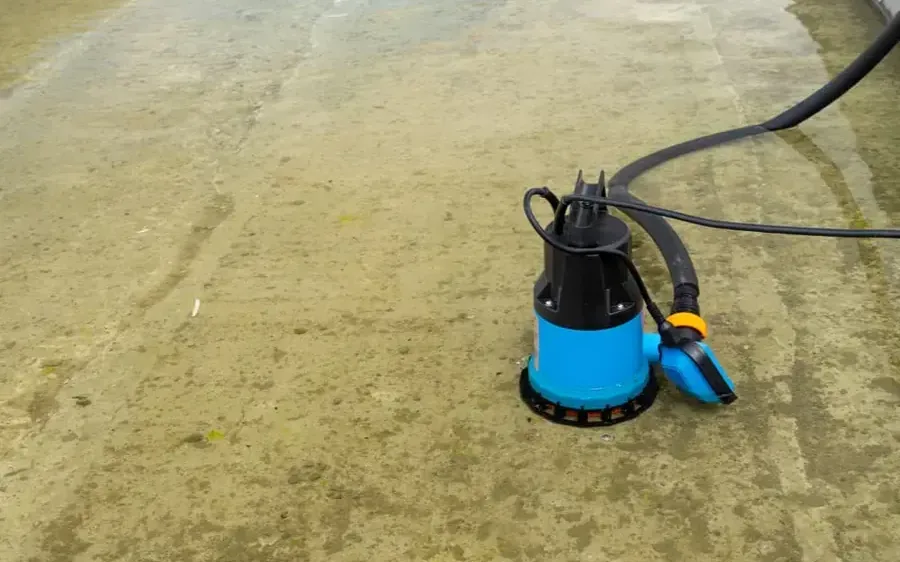
Water Extraction and Removal
Standing water removal reaches floors, thresholds and wet edges before dehumidifiers address the moisture left in the building.
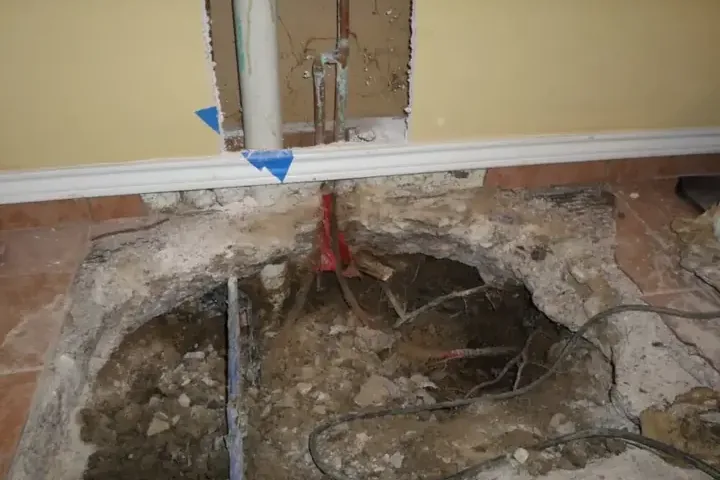
Slab Leak Water Damage
A concealed supply leak needs plumbing isolation, floor-layer access and concrete moisture checks before the finish returns.
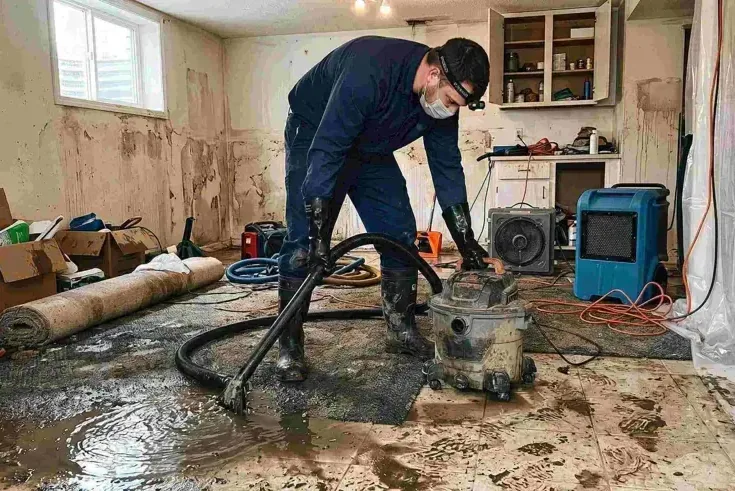
Sewage Backup Cleanup
Category 3 water requires containment, unsuitable porous material removal and surface cleaning before air movement begins.
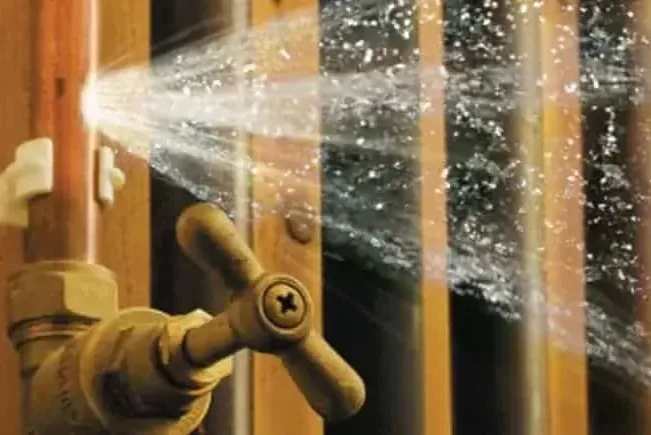
Burst Pipe Water Damage
Pressurized supply water can travel through several rooms. The crew traces wall cavities and connected flooring after isolation.
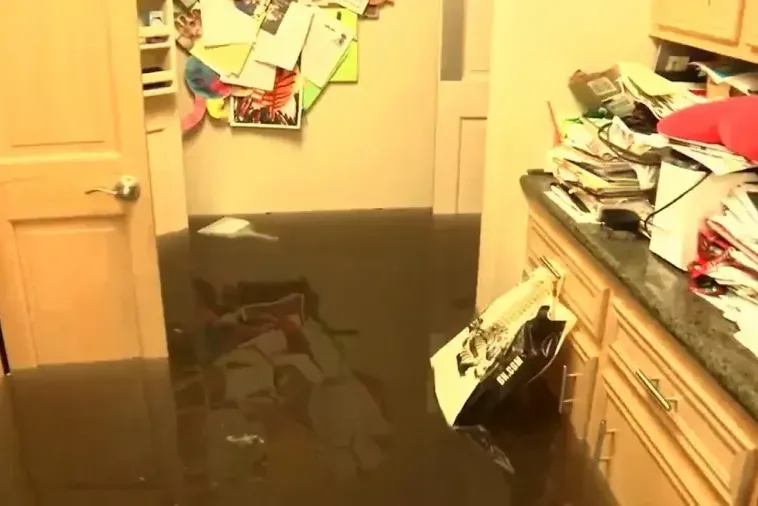
Storm and Flood Cleanup
Outdoor water brings debris and contamination. Safe entry, controlled cleanup and a measured dry-out follow the flood boundary.
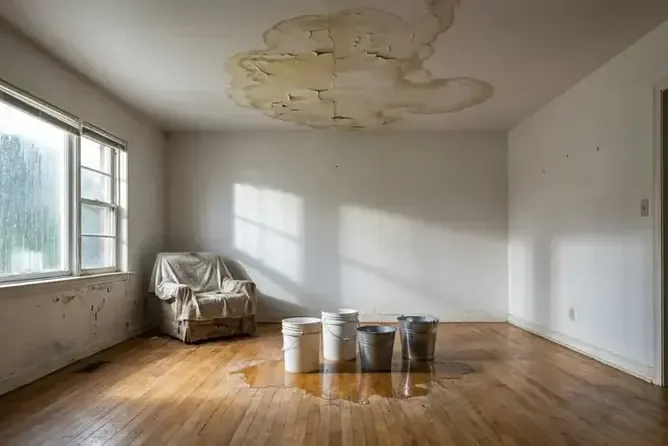
Roof Leak Water Damage
Rain can run along roof framing before a ceiling stains. Interior drying follows the wet attic and insulation path.
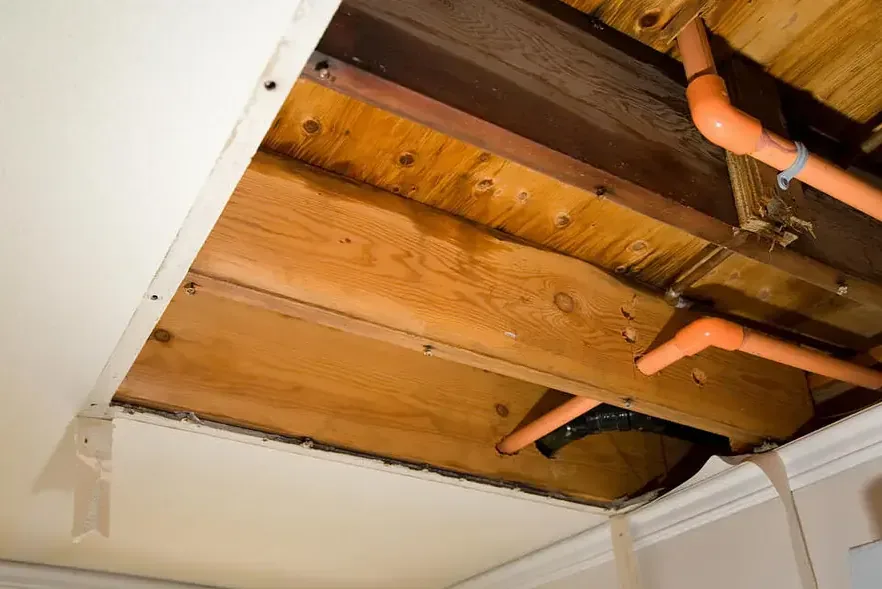
Ceiling Leak Water Damage
Overhead damage needs a safe opening plan, source tracing and joist-bay readings before replacement board seals the cavity.
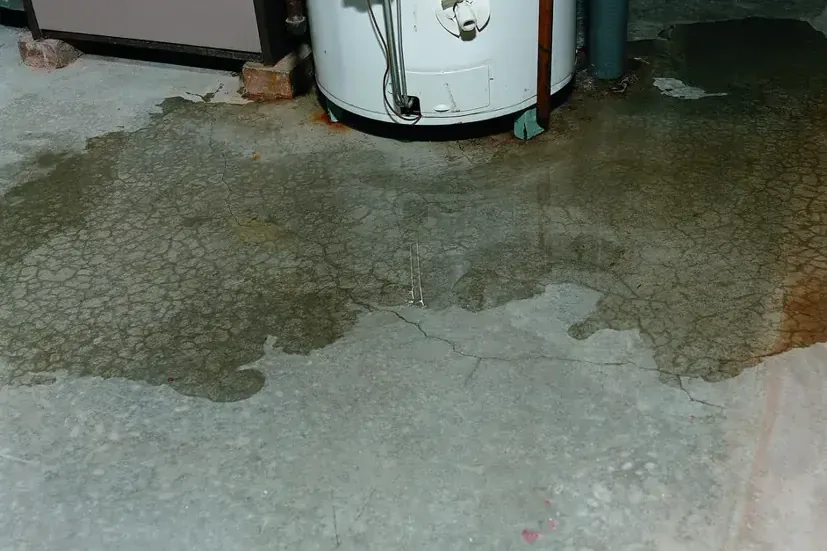
Water Heater Leak Cleanup
Tank discharge can soak a platform and adjacent wall bases. The inspection follows water beyond the utility space.
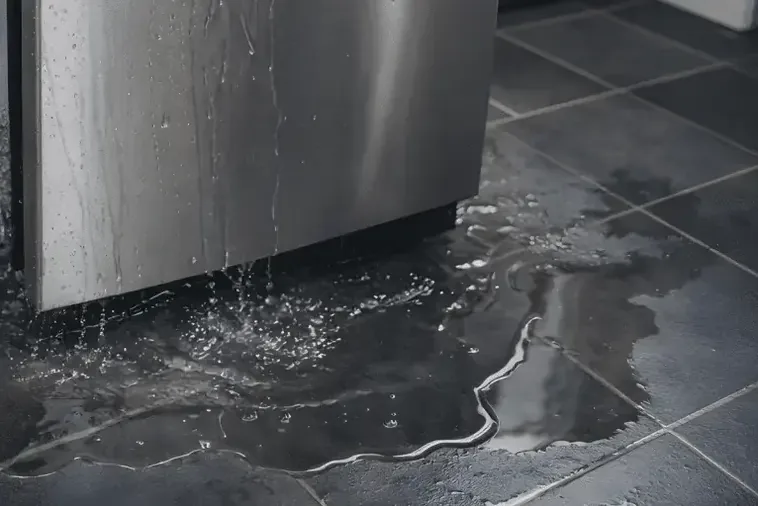
Appliance Leak Water Damage
A kitchen or laundry puddle can hide wet cabinet bases and underlayment. The crew checks beneath the machine and finishes.
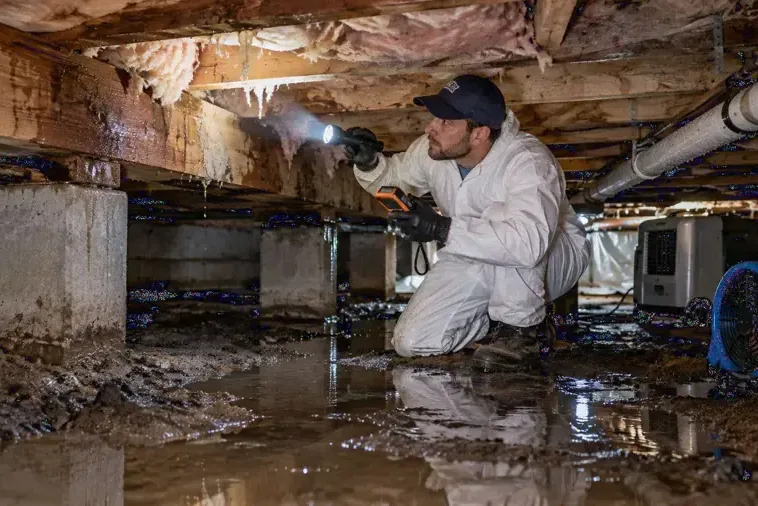
Crawl Space Water Removal
Below-floor water needs an access assessment, source checks and a discharge route before pumping and framing drying.
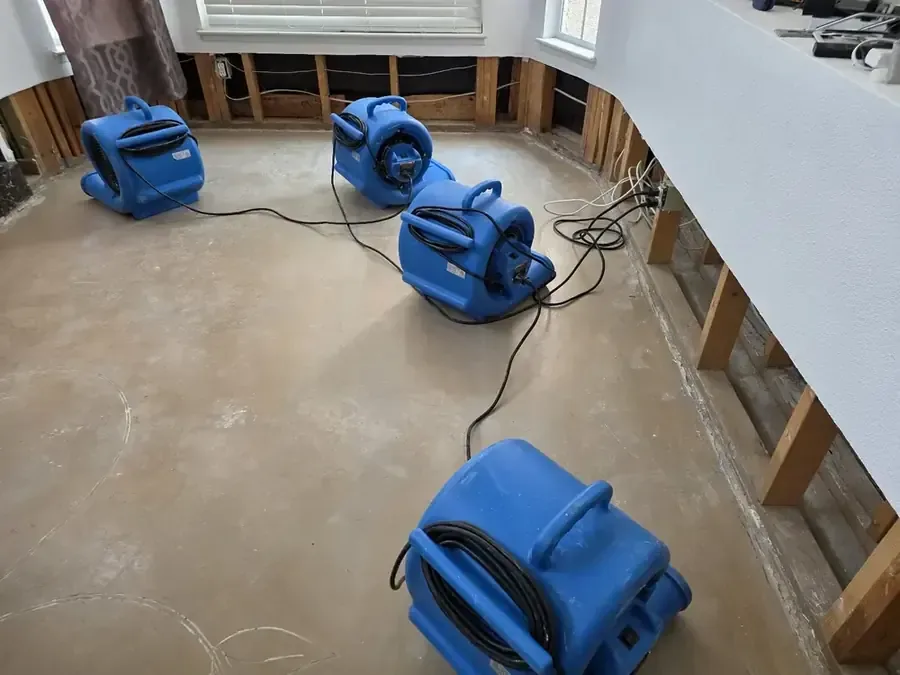
Structural Drying
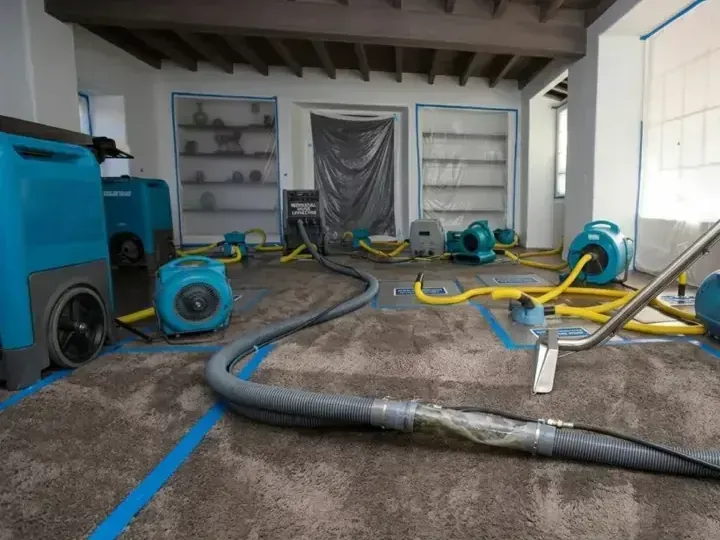
Air movers and dehumidifiers work together while material readings track the retained structure toward its dry reference goals.
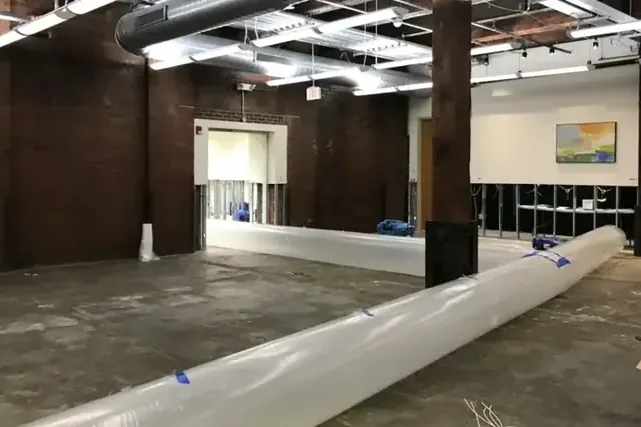
Commercial Water Damage
The business cleanup plan separates wet stock, sensitive equipment and building materials while preserving safe work and exit routes.
A clear plan for the wet structure
The restoration contractor connects source findings, material condition and drying measurements. That record keeps removal decisions and the repair handoff understandable throughout the project.
Rapid local response
24/7 dispatch supports urgent water assessment. The response team evaluates continuing water, electrical exposure and property access before selecting the first safe work step.
IICRC S500 drying standard
The drying team maps affected materials, selects a dry reference and adjusts equipment from measured progress rather than a surface that merely feels dry.
Claim-ready documentation
Photos before removal, material quantities and daily moisture readings describe the loss and completed work. The insurer determines coverage under the policy.
Local water experts
The island setting requires careful source identification. Tidal water, rain entry and household supply failures create different contamination, access and drying requirements.
The gear a real dry-out runs on
What to do while the water is still moving
Keep a safe boundary
The household stays out of wet electrical areas and away from sagging ceilings. Immediate danger requires emergency assistance before cleanup.
Limit a safe supply source
An accessible shutoff can stop a plumbing release. A plumber handles the failed component while the restoration team assesses the resulting damage.
Describe the water path
The discovery time, suspected source and affected rooms help the technician plan inspection. Outdoor entry and appliance discharge need distinct cleanup decisions.
Preserve the starting condition
Photos from a dry position record visible water and affected belongings. The crew adds moisture measurements before opening or removing materials.
Leave hidden layers accessible
The repair plan follows the drying record. Wet floor coverings, wall bases and cavities need assessment before fresh finishes cover the structure.
How a Johns Island water loss gets handled
Map affected layers
The inspection follows water through finishes and adjoining spaces, recording test points and a suitable dry reference before the equipment changes conditions.
Provide drying access
The crew opens agreed wet assemblies and removes unsuitable materials so retained framing, subfloor and other surfaces can release moisture.
Balance air and moisture removal
Air movers serve wet surfaces while dehumidifiers remove vapor. The technician checks performance and adjusts equipment when readings show a slow area.
Record the final comparison
Completion readings document the drying result. The repair handoff identifies remaining source work, replacement finishes and any additional installation tests.
What does water damage restoration cost in Johns Island, SC?
Water damage restoration in Johns Island commonly ranges from $1,200 to $8,000 for a residential loss. Water category, wet area, material class, access and how quickly drying starts determine the scope; extensive flood or sewage damage can cost more.
| Restoration scope | Typical range |
|---|---|
Contained room loss
| $1,200 to $2,500 |
Connected rooms and layers
| $2,500 to $8,000 |
Extensive contaminated loss
| $8,000 to $20,000 |
These are planning ranges. Source repairs and replacement finishes may be separate. The water damage cost calculator organizes the main cost drivers before an inspection establishes the written scope.
What a water damage dry-out looks like in Johns Island
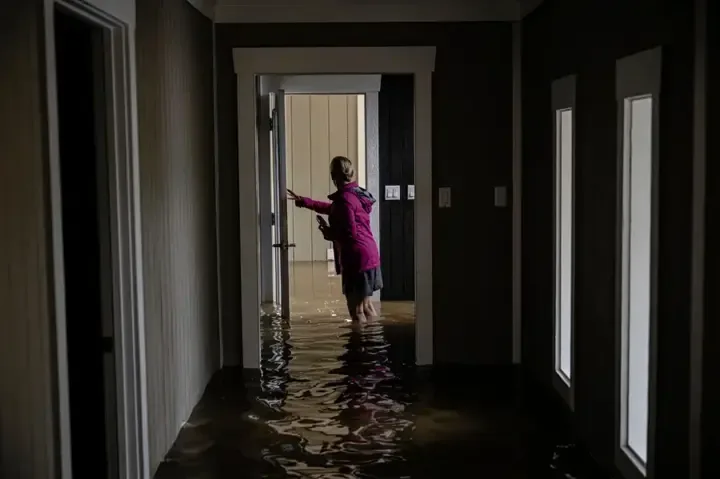
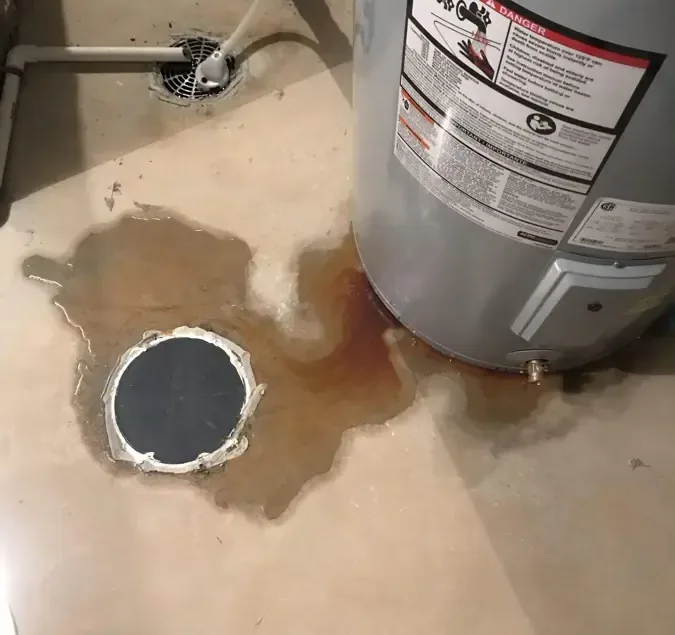
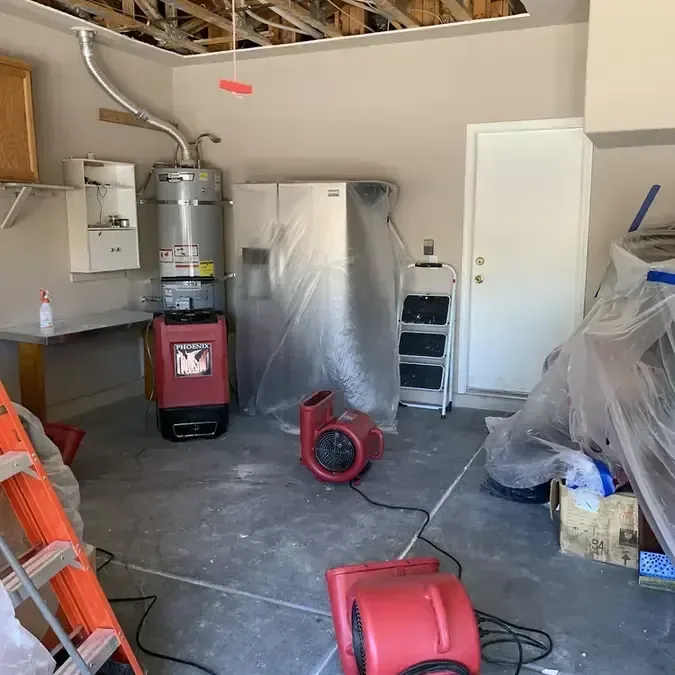
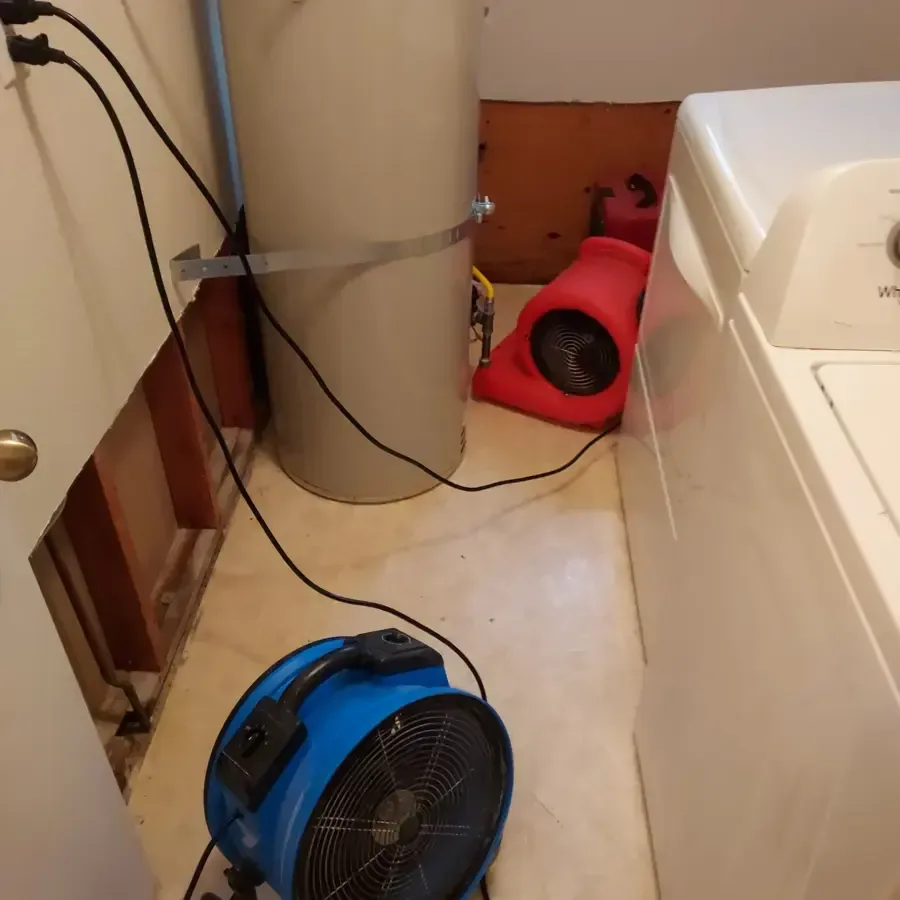
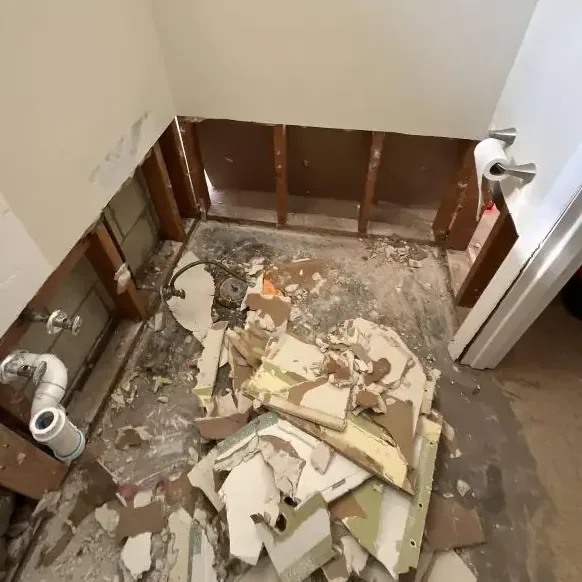
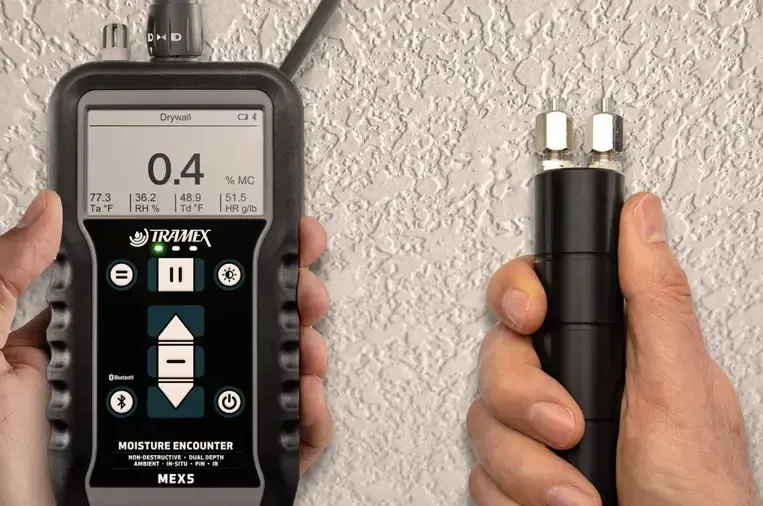
Water damage dried to the IICRC S500 standard
The drying technician measures the structure before equipment placement and keeps a repeatable record. Air conditions, access and material response determine adjustments during the work.
Documentation for your insurance claim
The restoration contractor documents the condition before removal and the work that follows. A clear record helps explain the loss while the insurer applies the policy terms.
- Timestamped photos before materials are removed
- A moisture map with repeatable test locations
- The identified water category and affected assemblies
- Daily material and room-air readings
- Equipment use, material quantities and the repair handoff
Check the cause and policy
Sudden indoor water damage and outdoor floodwater can follow different coverage terms. The owner should report the source accurately and ask the insurer which policy provisions apply.
The contractor records work and observations without promising reimbursement. Plumbing, roofing, appliance replacement and finish reconstruction may need separate scope items alongside extraction and drying.
Water damage help across Johns Island
Roads and local areas
ZIP coverage
29455 · 29457
Nearby communities
One call reaches Johns Island water damage pros, 24/7
The response team checks the location, source and access conditions before planning extraction. Active water, wet electrical equipment and unstable ceiling finishes should be described first.
The service scope covers water and sewage cleanup with measured structural drying. The contractor explains material access and documents the condition before repairs close the affected assembly.
(888) 532-8921Discuss the island property damagePlan before you call
The water paths that matter on Johns Island
The Stono River and island drainage provide the local setting. The inspection still follows each building: outdoor intrusion, a roof opening and an indoor supply failure need distinct plans.
The Stono River separates the island from the mainland. The team asks about outdoor entry and checks contacted materials before selecting contamination controls.
The documented ditch connection shows why the water route matters. A property inspection identifies where water actually crossed the building envelope.
Part of the island lies within Charleston city limits. The owner should identify the property and relevant source-repair contact when arranging access.
A tank, appliance or concealed pipe can wet a home independently of the weather. The plumber and restoration contractor address different parts of that loss.
The technician checks wall bases, cabinet toes and floor transitions. Visible water can disappear while retained moisture remains beneath the finished surface.
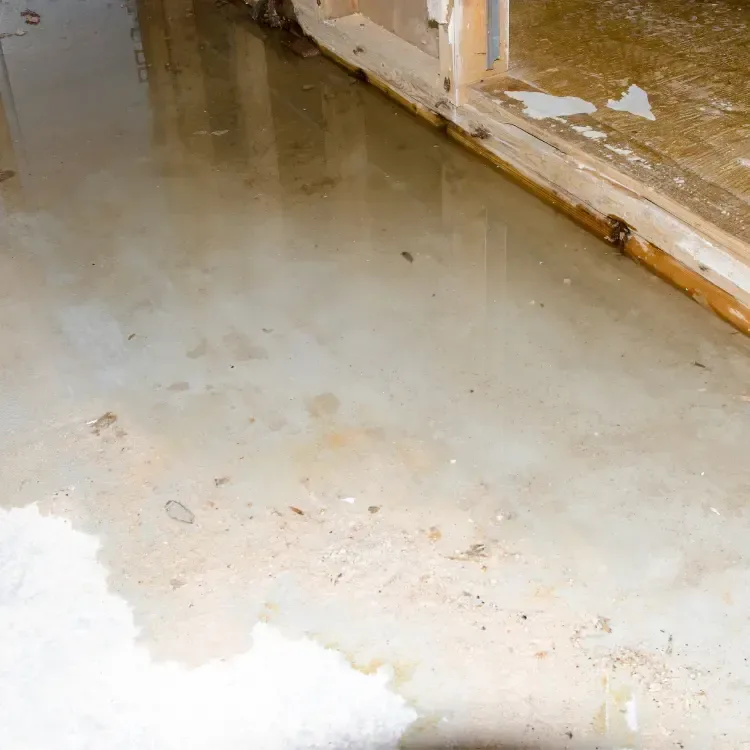
March 2024: Reporting on a sewer project in Shoreline Farms and Stonoview described a stormwater ditch behind Colonel Harrison Drive draining toward the Stono River.
All water damage categories covered in Johns Island, SC
Category 1: clean source
A recent supply release may begin with clean water. The technician still checks contact surfaces and elapsed time before choosing the cleanup method.
Follow a supply-water lossCategory 2: used water
Appliance discharge can carry detergents and residue. The crew assesses contacted finishes and concealed layers before deciding what can remain for drying.
Inspect appliance-water damageCategory 3: contaminated water
Sewage and outdoor floodwater require contamination controls. Unsuitable porous materials come out, salvageable surfaces receive cleaning and drying follows that preparation.
Review controlled sewage cleanupJohns Island water damage questions
What should happen before extraction begins?
The response team checks safe entry, electrical exposure and the water source. A safely accessible shutoff can limit a plumbing release. Outdoor water, sewage and unstable ceilings require their own access controls before equipment enters.
Does the contractor repair the failed pipe too?
The written scope identifies source repair separately. A plumber, roofer or appliance technician may address the failure while the restoration crew handles wet materials, extraction and drying. Clear responsibility keeps an active source from undermining the work.
Why test rooms without a visible puddle?
Water can travel under flooring and inside partitions. Moisture readings locate that concealed spread and help set the removal boundary. The inspection compares affected materials with dry reference areas rather than relying only on stains.
How long does drying usually take?
A contained loss often requires several days; dense or layered materials can take longer. The drying team tracks material readings and equipment performance. The work ends when the relevant goals are met, not simply when the room feels dry.
Can wet carpet or wallboard remain?
The water source, contamination, saturation and physical condition determine that decision. Some materials can dry with suitable access, while unsuitable porous finishes require removal. The crew explains and documents the findings before material work begins.
How is sewage cleanup different?
Sewage is Category 3 water. The team controls access, removes unsuitable porous material and cleans salvageable surfaces before drying. Household fans should not circulate air across an untreated contaminated area.
Will insurance cover the restoration?
The insurer applies the policy to the cause and documented damage. Outdoor floodwater may follow different coverage terms from a sudden indoor loss. Photos, quantities and drying logs describe the completed work for the insurer.
Can the household turn equipment off at night?
The drying setup needs the operating conditions specified by the contractor. Stopping machines can interrupt progress. The household should report noise concerns, a tripped circuit or equipment trouble so the technician can make a safe adjustment.
Is dispatch available outside business hours?
24/7 dispatch supports urgent water-loss assessment. Access, weather and the actual safety conditions determine the first field actions. The caller should describe continuing water, contaminated areas and any wet electrical equipment.
Give the water damage a clear next step
The restoration team identifies the source, removes accessible water and measures the moisture that remains before the repair plan begins.
(888) 532-8921Plan the island dry-out