Crawl Space Water Removal in Johns Island, SC
Crawl space water removal in Johns Island requires a safe view of the space below the floor. The crew evaluates access, contamination and incoming water before pumping and drying the affected joists and subfloor.
(888) 532-8921Assess the water below the floor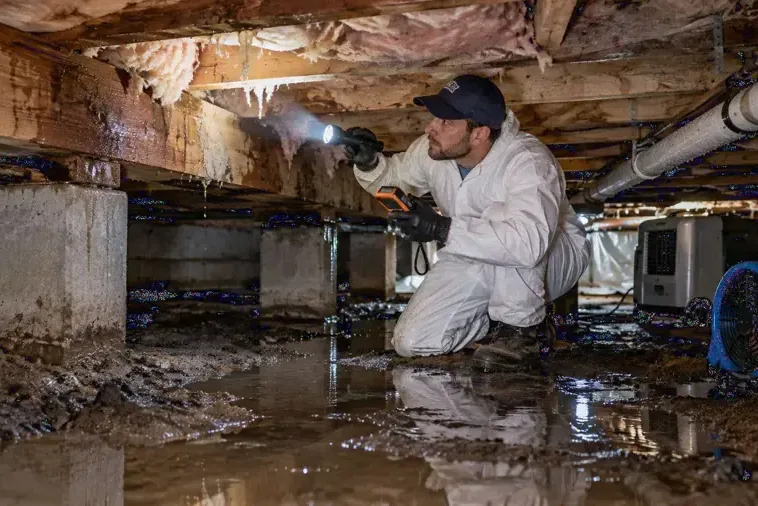
Why Johns Island water damage pros follow a measured plan
First steps for crawl space water removal
Stay outside the opening
The household avoids entering pooled water beneath the building; the response team checks visibility, exit routes and electrical concerns before planning any lower-space access.
Describe continuing inflow
The owner reports plumbing symptoms or outdoor entry when known; the technician identifies the source work needed alongside the pumping and structural drying plan.
Protect the discharge route
The crew selects a suitable route for removed water and equipment; discharge should not return beneath the building or spread contamination into occupied areas.
Keep access available
The work area and access panel remain clear for monitoring; stored items and household activity should not block safe entry or the drying equipment connections.
What does crawl space water removal cost in Johns Island, SC?
Crawl space water removal in Johns Island typically ranges from $1,500 to $7,000. Access, depth, contamination, wet insulation and the amount of affected framing determine the scope; drainage or plumbing corrections may be additional work.
| Work scope | Typical range |
|---|---|
Accessible pooled water
| $1,500 to $3,000 |
Wet insulation and framing
| $3,000 to $7,000 |
Extensive lower-space loss
| $7,000 to $14,000 |
An inspection sets the written scope. Water category, affected area, material class and the delay before drying all change the cost. The Johns Island water damage cost calculator estimates a planning range.
How the crawl space water removal work progresses
Assess below-floor conditions
The supervisor checks safe access, water source and contacted materials, then determines the equipment and containment needed before workers enter the lower space.
Remove pooled water and debris
The crew pumps to the agreed discharge route and handles unsuitable wet materials, recording insulation and barrier conditions before exposing the retained framing.
Dry the floor structure
Dehumidification and directed airflow serve the wet joists and subfloor; material readings show where evaporation needs adjustment and whether the source remains controlled.
Record the remaining corrections
The contractor documents the drying result and distinguishes any continuing drainage, plumbing or material repairs from the completed water removal and moisture work.
Water below a house can wet insulation and framing without leaving a puddle in the living room. The crawl-space crew starts at the access point and assesses the conditions before entering. For a property near River Road, Bohicket Road or Legareville, the inspection follows the actual foundation and lower-space arrangement. The service applies where a crawl space exists; the plan comes from that building, not a claim about the foundation type of an entire neighborhood.
Finding what keeps the lower space wet
A supply leak, drain failure or outdoor entry can each collect water below the floor. The technician checks whether water is still arriving and coordinates with the plumber or appropriate drainage professional. Pumping an active source without addressing its cause may leave the space wet again. The crew records the water level, apparent entry route and the surfaces it contacted.
The Stono River is a tidal waterway, and Charleston identifies tidal creeks and coastal flooding among regional hazards. That setting makes the difference between indoor plumbing water and outdoor intrusion important. The contractor assesses contamination and discharge arrangements before removing water. Cleanup decisions should follow the source and material condition, rather than the color of a puddle.
- Keep people and pets away from the access opening.
- Report sewage odors, damaged wiring or continuing inflow.
- Do not discharge pumped water where it can return under the building.
- Keep the source repair record with the lower-space moisture map.
- Ask the crew to identify where removed water will discharge and how that route avoids returning moisture beneath the same floor structure.
- Keep photographs of insulation, vapor barriers and exposed joists with the drying report so remaining lower-space repairs are clear after pump-out.
Removing water without spreading the problem
The crew chooses pumping and extraction equipment for the depth, access and discharge route. Debris and obstructions can limit safe movement. The work plan protects the route into the home and prevents dirty equipment from contacting clean floors. If contamination affects insulation or other porous materials, those items require removal assessment before drying.
At Shoreline Farms and Stonoview properties, the technician checks the specific lower enclosure and available access. Wet insulation may hang away from the floor or conceal damp joists. A vapor barrier can trap pools above or below it. The crew documents those conditions and explains the proposed removal or repositioning before beginning work.
Assess the lower space before entry
Residents should not crawl into standing water to look for a broken pipe. Limited visibility, wiring, sharp debris and difficult exit routes can make the space hazardous. The response team evaluates access, air conditions and the need for specialized controls before anyone enters. A household fan at the opening does not resolve contamination or electrical exposure. Children and pets must stay away from removed access panels and discharge hoses. The crew keeps a clear work route and stops if conditions change. Immediate electrical, structural or other serious hazards require the appropriate emergency or specialist response before water removal continues.
Drying the underside of the building
After bulk water and unsuitable debris are removed, the team checks the underside of subfloor panels and exposed joists. Dehumidification and controlled airflow target the retained structure. Outdoor air alone may not provide effective drying conditions. The technician compares material readings with dry reference areas and tracks the response rather than relying on a dry-looking ground surface.
The work may require coordination with a plumbing repair or longer-term drainage correction. The restoration report should separate those items from completed extraction and drying. Final photographs and moisture readings identify the remaining material repairs and help the owner understand what the cleanup achieved.
Ready.gov flood safety advice addresses unsafe water and electrical hazards. EPA flooded-home cleanup information covers affected materials and cleanup considerations. The insurer determines coverage from the policy and cause; a crawl-space drying record describes the observed water and the work performed without promising a particular claim outcome.
Water beneath the floor can keep the structure wet after the yard drains. The crew checks the source, access and framing before selecting the removal method. The response team removes pooled water where access is safe and monitors the retained joists and subfloor through the drying process.
(888) 532-8921Plan safe lower-space removalRelated water damage services in Johns Island
Crawl Space Water Removal questions in Johns Island, SC
Should a homeowner enter to find the pipe?
Standing water below a building can conceal wiring, debris and unsafe access. The household should stay outside and describe visible conditions. The response team evaluates entry and coordinates the appropriate source investigation.
Will pumping alone dry the crawl space?
Pumping removes bulk water but leaves moisture in joists, subfloor and insulation. The technician assesses those materials and sets a drying or removal plan. The crew checks framing readings as well as the ground condition.
Can wet insulation stay under the floor?
Its saturation, contamination and physical condition determine that decision. Wet insulation may also block drying access to the floor above. The contractor records the findings and explains which material needs removal.
Does the crew repair drainage problems?
The written scope identifies source correction separately from extraction and drying. A plumbing or drainage professional may be needed. The restoration team records continuing entry so the owner can coordinate the correct repair.
Why use dehumidifiers below the house?
The drying plan needs air conditions that allow wet materials to release moisture. Equipment selection follows the enclosure and material load. The technician checks actual performance and adjusts it using humidity and material readings.
Can lower-space water be reported at any hour?
24/7 dispatch supports urgent assessment. Safe access, contamination and electrical conditions determine when pumping can begin. The household should report continuing water and any known source while keeping the opening clear.
Crawl space water removal in Johns Island
Coverage includes ZIP 29455 and 29457, River Road, Maybank Highway, Bohicket Road, Shoreline Farms and Stonoview. The response team checks access and the water source before planning extraction, cleanup and structural drying for the affected property.
Nearby service areas include Folly Beach, Kiawah Island and Seabrook Island.
Address the moisture under the living space
The response team removes pooled water where access is safe and monitors the retained joists and subfloor through the drying process.
(888) 532-8921Discuss the below-floor dry-out