Slab Leak Water Damage in Johns Island, SC
Slab leak water damage in Johns Island can appear as damp floor edges or a warm patch over concrete. A plumber locates the pipe failure; the restoration team measures and dries the affected assembly.
(888) 532-8921Discuss moisture below the floor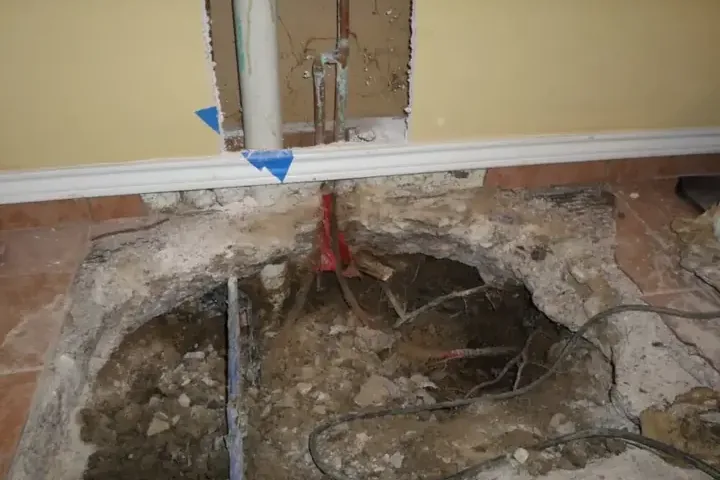
Why Johns Island water damage pros follow a measured plan
First steps for slab leak water damage
Check continuing water use
The household records meter movement with fixtures off when safe; a plumber tests the supply rather than assuming the damp patch marks the failure.
Protect electrical access
The response team checks wet appliances and receptacles before entering the affected room; occupants avoid cords, tools and switches in wet areas.
Photograph the finish
Photos capture lifted edges, staining and the room layout before removal; the technician records readings at the same locations for later comparison.
Keep replacement flooring on hold
The repair team waits for appropriate substrate measurements before installation; a dry-looking surface can still hold moisture beneath adhesive or finish layers.
What does slab leak water damage cost in Johns Island, SC?
Slab leak water damage cleanup in Johns Island typically ranges from $1,500 to $7,500, depending on floor access and retained moisture. Pipe location, pipe repair and replacement finishes may be separate parts of the project.
| Work scope | Typical range |
|---|---|
Limited finish access
| $1,500 to $3,000 |
Several affected assemblies
| $3,000 to $7,500 |
Extensive trapped moisture
| $7,500 to $14,000 |
An inspection sets the written scope. Water category, affected area, material class and the delay before drying all change the cost. The Johns Island water damage cost calculator estimates a planning range.
How the slab leak water damage work progresses
Confirm the source work
The plumber isolates the failed supply while the restoration technician records moisture migration, keeping repair decisions and the water damage assessment clearly connected.
Expose retained water
The crew opens only the agreed floor layers and checks wall bottoms, documenting damaged finishes and the condition of the substrate beneath them.
Manage slab evaporation
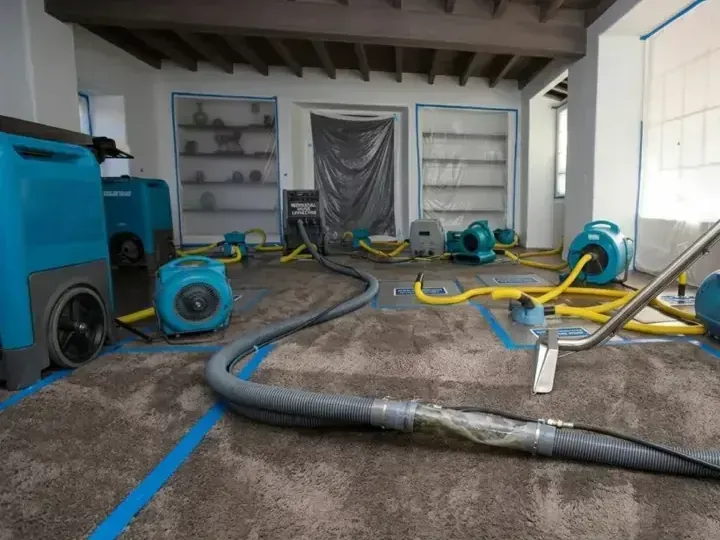
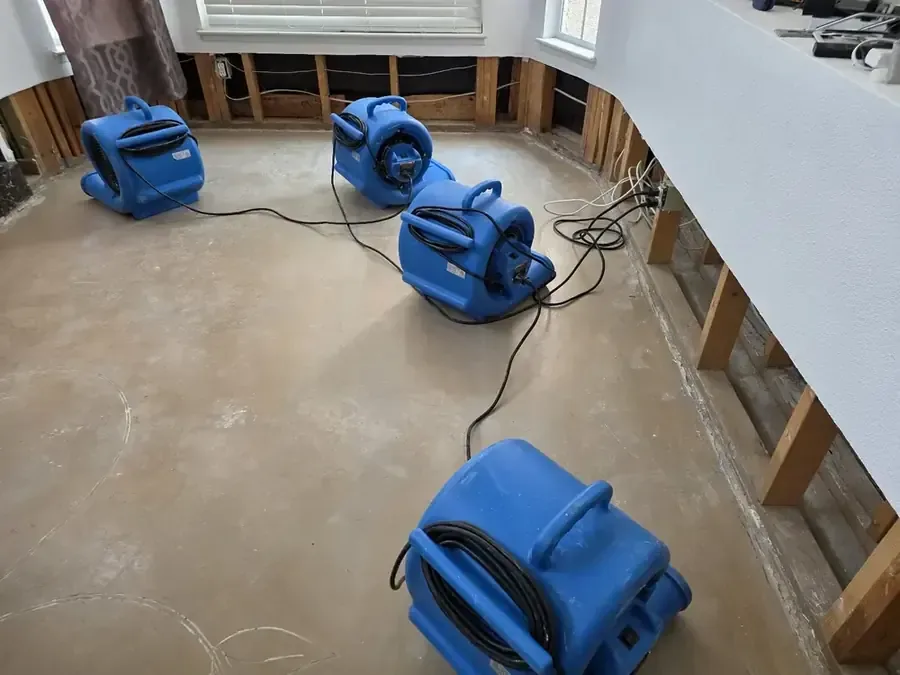
Dehumidifiers control the room air while equipment serves the exposed slab; repeated readings identify slower zones and changes needed in the drying setup.
Prepare the repair handoff
The contractor supplies the drying record and remaining repair scope, allowing the flooring installer to evaluate substrate requirements before selecting the replacement system.
Water beneath a floor can spread well beyond the point where a pipe fails. Adhesive softens, pad becomes damp and wall bottoms absorb moisture while the top surface still looks usable. For a property near Bohicket Road, River Road or Stonoview, the first question is where the water originates. The restoration team checks the concrete and connected materials while a plumber tests the supply system. That division of work prevents a drying plan from starting over an active leak.
Recognizing a concealed leak without guessing at the source
A moving meter with all fixtures off, unexplained water use, a warm floor patch or recurring dampness warrants plumbing investigation. Each sign needs interpretation. Irrigation, a running toilet or another concealed supply problem can also keep a meter moving. The plumber isolates the relevant branch and selects leak detection methods before deciding where access belongs.
The restoration contractor documents the visible finish and checks surrounding wall bases. A floor stain alone cannot locate the failed pipe. Thermal imaging can identify temperature differences, while moisture testing checks whether the affected assembly is wet. The technician uses both observations and direct measurements to define the water damage footprint.
- Record when dampness first appeared and whether it returns.
- Keep the affected floor clear for inspection when safe.
- Report warm patches and unexpected meter movement.
- Separate plumbing repair costs from the drying scope.
- Request separate notes for the pipe diagnosis, opened finish layers and substrate readings so the repair team can follow each work decision.
- Check that the replacement flooring plan includes the required concrete tests before an installer seals the exposed slab beneath a new finish.
Opening the right layers over wet concrete
Tile, vinyl, engineered wood and carpet hold moisture differently. A low-permeance finish can slow evaporation from the slab beneath it. The drying team identifies the floor assembly and explains which material needs lifting, removal or testing. Salvage decisions consider contamination, adhesion, swelling and the ability to reach trapped moisture.
Homes around Shoreline Farms and the Maybank Highway corridor require property-specific inspection rather than assumptions about a neighborhood construction style. A room with concrete beneath the finish needs concrete testing; another room may have a different assembly. The technician records those changes on the moisture map and adjusts equipment accordingly.
Protect the room before testing or opening it
A household should avoid drilling into a suspected wet slab or pulling fixed flooring without a plan. Concealed pipes, wiring and the floor finish itself affect safe access. The plumber determines the source repair, and the restoration contractor explains the water damage work before opening materials. Wet electrical equipment requires a separate safety assessment. Residents keep children and pets away from exposed floors and tool routes. A safe shutoff can limit continuing supply water, but it does not remove the moisture already trapped beneath the finish. The drying work follows the repair and the measured wet boundary.
Drying a slab before replacing the finish
Concrete releases moisture slowly. Dehumidification and controlled air movement create conditions for evaporation, but the installer also needs moisture results appropriate to the replacement flooring. Concrete moisture tests track the condition below the surface. The contractor records the test method, locations and progress so the repair team has useful information before covering the surface.
The Stono River and regional tidal hazards make source identification particularly useful on the island. Water arriving through an exterior opening requires a different contamination response from a concealed indoor supply leak. The EPA leak-checking information describes common household warning signs. Ready.gov flood precautions apply when outdoor water also affects the property.
The claim file should include source findings, access photos, removed material quantities and drying readings. The insurer decides which portions fall within the policy. A contractor's drying scope should clearly distinguish the resulting damage from the plumbing repair and final floor replacement.
Damp flooring over concrete needs a source check and a drying plan. The restoration team measures the spread before the repair covers it again. The drying crew follows the repaired leak through concrete, floor edges and wall bases, with readings that support the repair handoff.
(888) 532-8921Arrange a slab moisture assessmentRelated water damage services in Johns Island
Slab Leak Water Damage questions in Johns Island, SC
Does a warm floor always mean a slab leak?
No. A warm patch is a reason to investigate, especially with unexpected water use, but it is not a diagnosis. A plumber isolates the system and tests the suspected source before opening the floor.
Who repairs the pipe below the floor?
A plumber handles leak detection and pipe repair or rerouting. The restoration crew handles the wet materials, extraction and drying. The project scope should identify which contractor performs each portion of the work.
Must all flooring come out?
The finish, adhesive, contamination and moisture readings determine access. Some layers can remain, while swollen or moisture-trapping materials require removal. The technician explains the findings for each affected room before proceeding.
Why does concrete still read wet after extraction?
Concrete retains water inside its pore structure. Surface extraction removes accessible water but cannot remove all internal moisture. Controlled drying and suitable tests track whether the substrate is ready for the next work stage.
Does insurance pay for the pipe and the floor?
The policy determines coverage, exclusions and any distinction between the failed pipe and resulting water damage. Source findings, access photographs and drying logs help describe the loss; the insurer makes the coverage decision.
Can the drying team assess a leak at night?
24/7 dispatch supports urgent water damage assessment. A continuing supply leak needs safe isolation, and the plumber and restoration contractor coordinate the next steps around access and actual property conditions.
Slab leak water damage in Johns Island
Coverage includes ZIP 29455 and 29457, River Road, Maybank Highway, Bohicket Road, Shoreline Farms and Stonoview. The response team checks access and the water source before planning extraction, cleanup and structural drying for the affected property.
Nearby service areas include Folly Beach, Kiawah Island and Seabrook Island.
Resolve the moisture beneath the finish
The drying crew follows the repaired leak through concrete, floor edges and wall bases, with readings that support the repair handoff.
(888) 532-8921Talk through slab drying