Burst Pipe Water Damage in Johns Island, SC
Burst pipe water damage in Johns Island needs prompt supply isolation and a room-by-room moisture check. The restoration crew follows pressurized water through wall cavities, ceilings and floor layers before arranging the dry-out.
(888) 532-8921Limit the pipe-water spread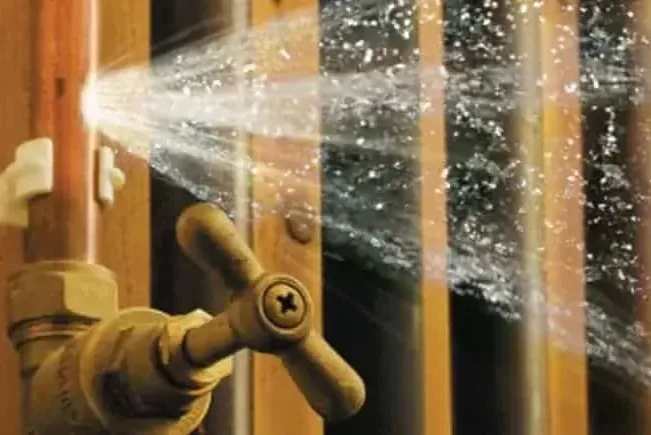
Why Johns Island water damage pros follow a measured plan
First steps for burst pipe water damage
Find safe isolation
The household closes an accessible supply valve from a dry position; unsafe access calls for qualified assistance before anyone approaches the failed pipe.
Clear the overhead hazard
The response team checks softened ceilings and wet fixtures; residents keep people out from beneath bulges until the area receives a safety assessment.
Document the first signs
Photos and the discovery time help trace the leak path; the technician adds readings in adjacent closets, rooms and wall bottoms before opening materials.
Protect the dry route
The crew keeps hoses and removed materials within a planned work path; unaffected rooms stay separated while water removal and cavity access proceed.
What does burst pipe water damage cost in Johns Island, SC?
Burst pipe water damage cleanup in Johns Island typically costs $1,200 to $6,500 for a residential loss. Multiple floors, saturated insulation or extensive flooring access can raise the restoration cost; pipe repair is a separate scope.
| Work scope | Typical range |
|---|---|
One accessible room
| $1,200 to $2,500 |
Connected wall and floor damage
| $2,500 to $6,500 |
Several levels affected
| $6,500 to $13,000 |
An inspection sets the written scope. Water category, affected area, material class and the delay before drying all change the cost. The Johns Island water damage cost calculator estimates a planning range.
How the burst pipe water damage work progresses
Trace the release
The technician records the source repair status and maps connected surfaces, following the water path beyond the room where the pipe first became visible.
Extract and expose
The crew removes standing water and opens agreed wet assemblies, preserving photographs and quantities so the material decisions remain clear throughout the work.
Dry the concealed layers
Air movement reaches the exposed framing while dehumidifiers remove released moisture; daily measurements show where the equipment setup needs adjustment or additional access.
Close the drying scope
The team compares final material readings with the drying goals and provides records that distinguish completed mitigation from plumbing and finish repairs still pending.
A failed supply pipe can feed several parts of a building at once. Water may run down a wall, collect beneath flooring and appear in a room beyond the original break. The response team maps those routes after safe isolation of the supply. In Shoreline Farms, Stonoview and homes along Maybank Highway, the inspection follows the actual pipe path and room layout. The neighborhood name does not decide which materials are wet.
Stopping the source and finding the full wet boundary
A plumber locates and repairs the failed pipe. The restoration team removes released water and checks the materials that absorbed it. Both tasks matter: a repaired fitting does not dry a wall, and an extractor cannot overcome a continuing pressurized leak. The technician records when water was discovered, which valve was closed and whether water still appears.
Water from a supply pipe may begin as Category 1, but its contact with building materials and the time it remains can change the cleanup conditions. The contractor checks the actual loss before assigning a category. A clean-looking puddle below a dirty cavity does not settle that question. Documentation should capture the source and the affected surfaces before removal changes the scene.
- Wall bottoms can stay wet after the visible stream stops.
- Closets beside the failed pipe need separate readings.
- Floor transitions can trap water beneath finished surfaces.
- Wet electrical components need safe isolation before access.
- Record the valve used to stop the release and any continued dripping so the plumber can confirm whether the source remains active.
- Ask the restoration technician to include upper and lower room connections where water may have followed a partition or ceiling penetration.
Opening cavities without unnecessary demolition
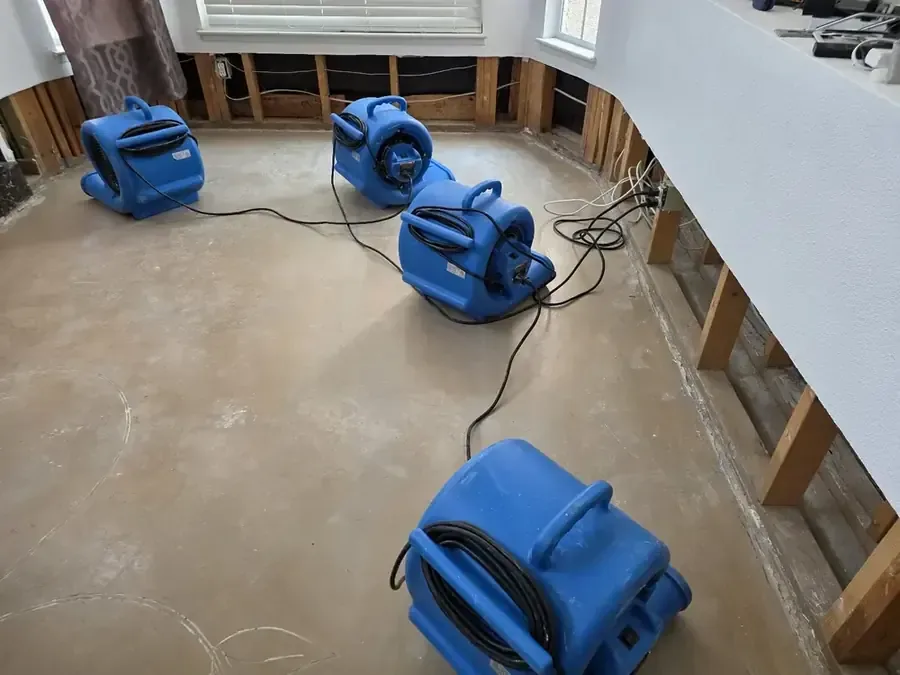
The technician uses moisture readings and the construction assembly to decide where access is necessary. Baseboard removal, small inspection openings or larger removal of damaged wallboard may each be appropriate in different locations. Saturated insulation and collapsed finishes cannot be dried simply by blowing air across the room. The crew explains the proposed openings and records the materials before cutting.
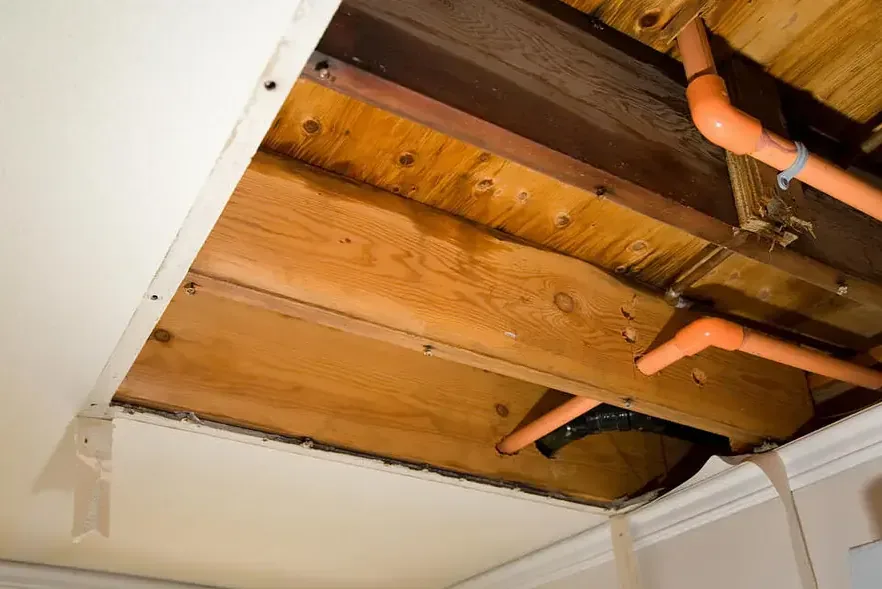
At River Road properties, access routes and the interior layout determine where extraction hoses and equipment can operate. The team protects dry rooms while moving wet debris out. If a ceiling below the pipe has softened, that overhead area needs controlled access before anyone works underneath. A stain at a ceiling joint can mark a travel path rather than the position of the broken pipe.
Do not reach through water for a shutoff
A main valve should be operated only when the route and valve location are safe. Residents should not stand in water to reach a switch, unplug an appliance or open an electrical panel. A sagging ceiling also requires a clear exclusion area beneath it. The response team identifies safe access and qualified electrical help where needed. Household members can take photos from a dry position and describe where the water first appeared. They should leave pipe repairs, overhead openings and concealed electrical exposure to the appropriate trades. Immediate danger takes priority over saving finishes or collecting wet belongings.
Drying the structure after the pipe repair
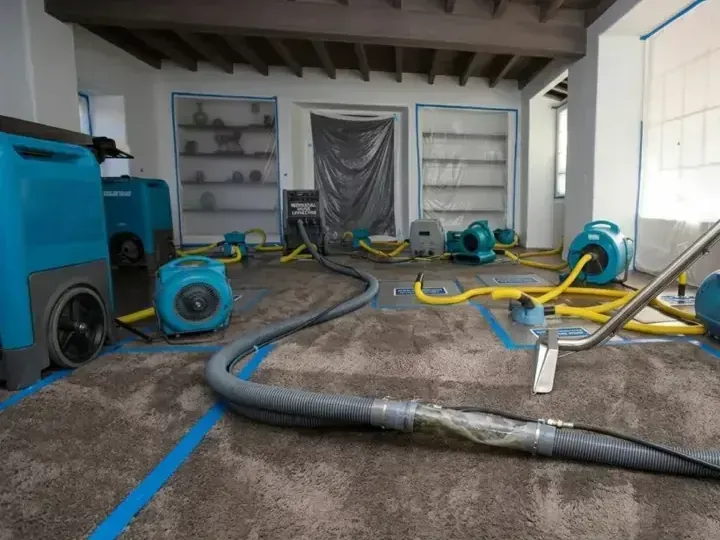
The drying plan pairs dehumidification with air movement suited to the exposed wall and floor assemblies. Readings at wet framing and dry comparison points establish the goal. The crew revisits those locations during the dry-out, changes equipment when progress slows and documents the final condition. Fans that only dry the room surface can leave moisture inside a cavity.
The Stono River is part of the island's coastal setting, but a household supply failure needs its own cause record. The crew separates outdoor intrusion from the pipe loss when both occur. That distinction helps explain material handling and the claim scope. EPA household leak information covers warning signs and checks. Federal flood safety advice addresses unsafe water and electrical exposure.
Repair invoices, source photos and a dated moisture map help the insurer understand the event. Coverage depends on the policy and cause. The restoration contractor documents the damage and completed work without making a coverage promise or combining unrelated repairs into the drying record.
A stopped pipe can leave wet layers behind the finish. The restoration team tracks that moisture before the wall or floor closes again. The cleanup crew extracts released water and follows the moisture through connected rooms, with a documented plan for opening and drying.
(888) 532-8921Arrange pipe-loss moisture checksRelated water damage services in Johns Island
Burst Pipe Water Damage questions in Johns Island, SC
Can a repaired pipe leave hidden water damage?
Yes. Water already inside wallboard, insulation or flooring remains after the plumber stops the leak. The restoration technician checks those materials and sets a drying or removal plan from their actual condition.
Should the main supply stay off?
The plumber determines when the repaired system can safely return to service. Residents should report any continued meter movement or recurring water. The drying crew needs confirmation that the source is controlled before closing wet assemblies.
Will every wall need opening?
No. Moisture readings, assembly details and material condition define access. The crew explains why each opening is needed and documents it. The goal is to reach trapped moisture while limiting unnecessary removal.
Why does the next room need testing?
Supply water can travel beneath partitions and finished flooring. The adjacent room may hold moisture without visible standing water. Comparison readings help establish a reliable boundary for extraction and equipment placement.
How long does a pipe-loss dry-out take?
A contained loss often needs several days of controlled drying; dense or layered materials can take longer. Equipment stays until measured goals are met. The contractor updates the schedule from progress readings rather than appearance alone.
Can an active break be assessed overnight?
24/7 dispatch supports urgent pipe-loss response. A safe shutoff, electrical conditions and access determine the immediate work. The household should describe continuing water and any overhead hazards when reporting the damage.
Burst pipe water damage in Johns Island
Coverage includes ZIP 29455 and 29457, River Road, Maybank Highway, Bohicket Road, Shoreline Farms and Stonoview. The response team checks access and the water source before planning extraction, cleanup and structural drying for the affected property.
Nearby service areas include Folly Beach, Kiawah Island and Seabrook Island.
Stop the leak, then address the wet structure
The cleanup crew extracts released water and follows the moisture through connected rooms, with a documented plan for opening and drying.
(888) 532-8921Discuss the pipe-loss dry-out