Storm and Flood Cleanup in Johns Island, SC
Storm and flood cleanup in Johns Island begins after safe access is established. The restoration crew evaluates outdoor water contamination, removes affected debris and plans drying around the building materials that remain.
(888) 532-8921Discuss storm-water recovery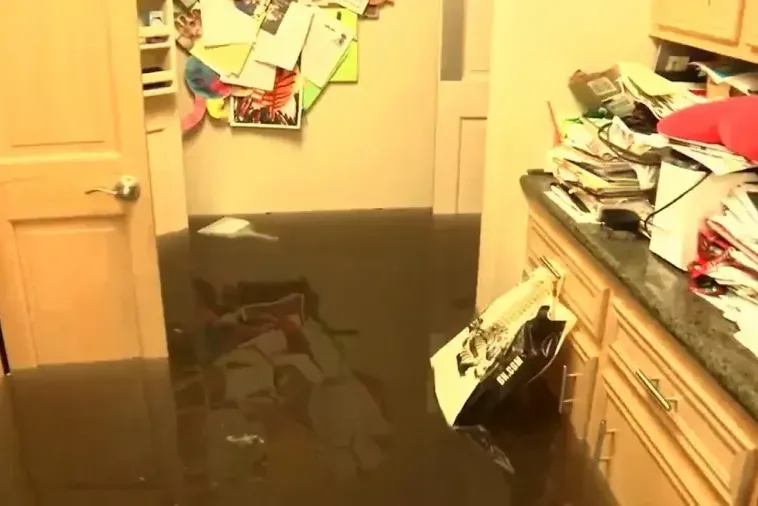
Why Johns Island water damage pros follow a measured plan
First steps for storm and flood cleanup
Wait for a safe route
The household follows official access restrictions and avoids floodwater; the response team assesses the property only when travel and entry conditions permit controlled work.
Describe the outdoor entry
The owner reports where water crossed the building envelope and whether it remains active; the technician checks that route and the connected indoor spaces.
Keep contaminated items contained
Flood-contact belongings stay separate from clean contents; the cleanup crew plans sorting and removal so debris does not cross occupied rooms without protection.
Record before disposal
Safe photographs show water marks and damaged materials before removal; item notes and quantities help explain the loss and the work performed later.
What does storm and flood cleanup cost in Johns Island, SC?
Storm and flood cleanup in Johns Island often ranges from $3,000 to $12,000, with major intrusion exceeding that amount. Contamination, debris, access, wet area and the number of affected building layers drive the scope.
| Work scope | Typical range |
|---|---|
Limited outdoor entry
| $3,000 to $5,000 |
Multiple flooded rooms
| $5,000 to $12,000 |
Extensive flood impact
| $12,000 to $25,000 |
An inspection sets the written scope. Water category, affected area, material class and the delay before drying all change the cost. The Johns Island water damage cost calculator estimates a planning range.
How the storm and flood cleanup work progresses
Assess safe entry
The supervisor reviews access, electrical concerns and continuing water movement, then records the flood boundary before choosing equipment and containment for the building.
Remove contacted debris
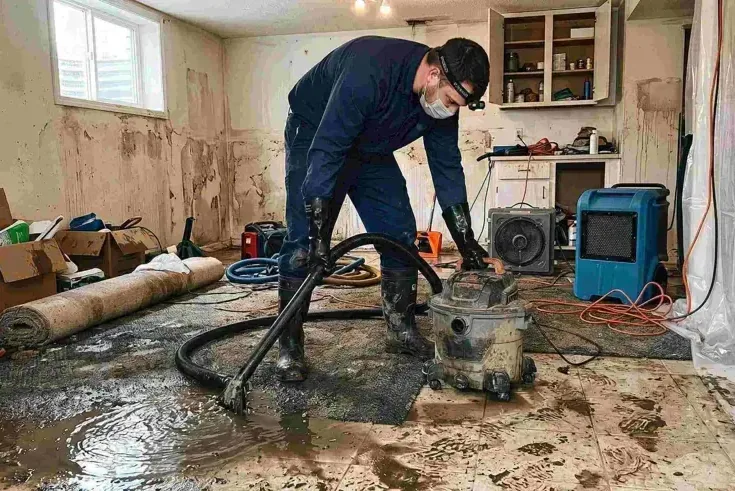
The crew extracts outdoor water and removes unsuitable porous materials, keeping the waste route separate and documenting the surfaces exposed during cleanup.
Clean before evaporation
Salvageable structural surfaces receive the required cleaning, and drying equipment begins after contamination controls and preparation support safe movement of air through the work area.
Track the retained structure
Repeated measurements show how framing and floor assemblies respond; the final report identifies completed cleanup, drying results and the repairs needed before normal use.
Johns Island has a coastal water setting shaped by the tidal Stono River and surrounding drainage. Charleston identifies coastal flooding, flash flooding and tidal creeks among regional hazards. A property near River Road, Shoreline Farms or Stonoview still needs a direct inspection of where water entered and what it touched. The cleanup team follows the actual flood boundary, not a broad assumption that every room or every nearby home has the same damage.
Safe access sets the start of flood cleanup
Standing outdoor water can conceal electrical hazards, unstable surfaces and debris. The response team checks whether the building can be entered and whether water levels are still changing. Public access restrictions and utility directions take precedence over cleanup scheduling. A household should not drive or walk through floodwater to reach the property.
Once entry is safe, the technician records water marks, debris and contacted materials. Outdoor floodwater requires contamination controls. The crew plans an extraction route that keeps dirty hoses and waste away from unaffected rooms. Gross debris and unsuitable porous materials are removed before air movement begins across the retained structure.
- Photograph the water marks and damaged contents from safe locations.
- Keep food and personal items touched by floodwater separate.
- Identify any fuel, chemical or electrical concern before entry.
- Follow official restrictions on roads and utility service.
- Keep outdoor entry photographs separate from indoor material photos so the flood path and the resulting building damage remain easy to follow.
- Ask which porous finishes require removal and which retained structural surfaces will receive cleaning before equipment begins circulating air through the rooms.
Coastal water and indoor materials
The Stono River separates the island from the mainland, and local drainage can interact with coastal water levels. These conditions make the entry route important: water may arrive through a door, lower enclosure or another opening. The restoration team checks floor layers, wall bottoms and connected spaces rather than relying on the highest visible stain alone.
Near Maybank Highway, a home and a business may need very different contents handling despite sharing the same storm. The crew evaluates soft furnishings, cabinets, stock and electrical equipment individually. Salt-bearing water, sediment and other contaminants affect cleaning decisions. A porous finish that cannot be adequately cleaned should not simply receive fans and remain in place.
Do not start fans in an untreated flood area
Air movement can carry contamination from dirty surfaces into cleaner rooms. The cleanup team first establishes containment, removes gross debris and assesses the contacted materials. Residents should avoid wet electrical panels, downed wiring and appliances until qualified personnel address them. A structure that looks intact can still have weakened finishes or unsafe access. Children and pets stay away from the flood boundary and debris staging area. Photos can wait when the route is unsafe. Emergency services and public authorities handle immediate threats; restoration equipment enters only when the property conditions allow a controlled cleanup operation.
Cleaning, drying and the flood-loss record
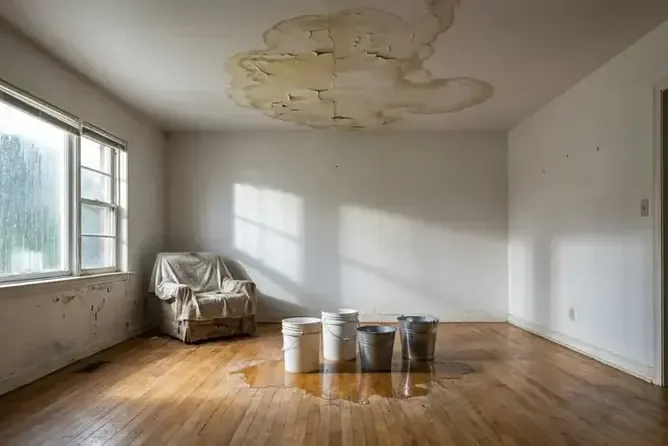
The crew cleans salvageable surfaces after removal of contaminated debris and applies products according to their labels where the scope requires them. Dehumidifiers and air movers then address moisture in the remaining structure. The technician sets dry reference goals and tracks progress in wall framing, subfloor and other affected assemblies. A clear room is not necessarily a dry room.
The file should separate source observations, removal quantities, cleaning steps and drying readings. Outdoor flood coverage can differ from a homeowners policy's treatment of sudden indoor water damage. The insurer evaluates the policy and documented cause. The contractor records the conditions without promising reimbursement.
Ready.gov flood safety directions cover entry, travel and electrical precautions. The EPA flooded-home information explains cleanup considerations for affected buildings. The household should retain source photos and disposal records alongside the drying report, especially when a storm affects multiple parts of the property.
Outdoor water brings a cleanup problem as well as a drying problem. The response team assesses access and contamination before equipment moves into the structure. The restoration crew documents the wet boundary, removes unsuitable materials and dries the retained structure after the necessary cleaning.
(888) 532-8921Plan the flood cleanup sequenceRelated water damage services in Johns Island

Storm and Flood Cleanup questions in Johns Island, SC
Is outdoor floodwater treated like a pipe leak?
No. Outdoor water can carry contamination and debris. The cleanup team assesses contact surfaces and controls the work before drying. A supply leak has a different starting source, though its conditions can also deteriorate over time.
Can cleanup begin while outdoor water is rising?
Continuing water movement can make access unsafe and undermine removal work. The response team follows official restrictions and evaluates the property conditions before entry. Household safety takes priority over extraction equipment or damaged contents.
Does a flood map decide the cleanup scope?
A map describes hazard context, while the building inspection establishes the actual damage. The technician records entry points, material contact and moisture readings. Those findings determine removal, cleaning and drying at the property.
Can cabinets and flooring remain after flooding?
Material type, contamination and physical damage determine whether cleaning and drying are appropriate. The crew checks enclosed bases and layered flooring before deciding. Porous materials that cannot be restored require removal.
Which insurance policy applies to outdoor water?
Flood coverage often follows separate policy terms from sudden indoor water losses. The owner should contact the insurer with the source details. Photos, removal records and drying logs document the loss for the insurer.
Is storm cleanup dispatch available at night?
24/7 dispatch supports reporting urgent storm damage. Access restrictions, electrical safety and water levels govern when field work proceeds. The response team plans the next safe action from the conditions described and observed.
Storm and flood cleanup in Johns Island
Coverage includes ZIP 29455 and 29457, River Road, Maybank Highway, Bohicket Road, Shoreline Farms and Stonoview. The response team checks access and the water source before planning extraction, cleanup and structural drying for the affected property.
Nearby service areas include Folly Beach, Kiawah Island and Seabrook Island.
Move from flood entry to a controlled recovery
The restoration crew documents the wet boundary, removes unsuitable materials and dries the retained structure after the necessary cleaning.
(888) 532-8921Discuss flood-entry damage