Water Heater Leak Cleanup in Johns Island, SC
Water heater leak cleanup in Johns Island follows the discharge beyond the tank. The restoration team checks the utility area, adjoining rooms and wet wall bases after a plumber safely isolates the heater and source.
(888) 532-8921Address the tank-water spread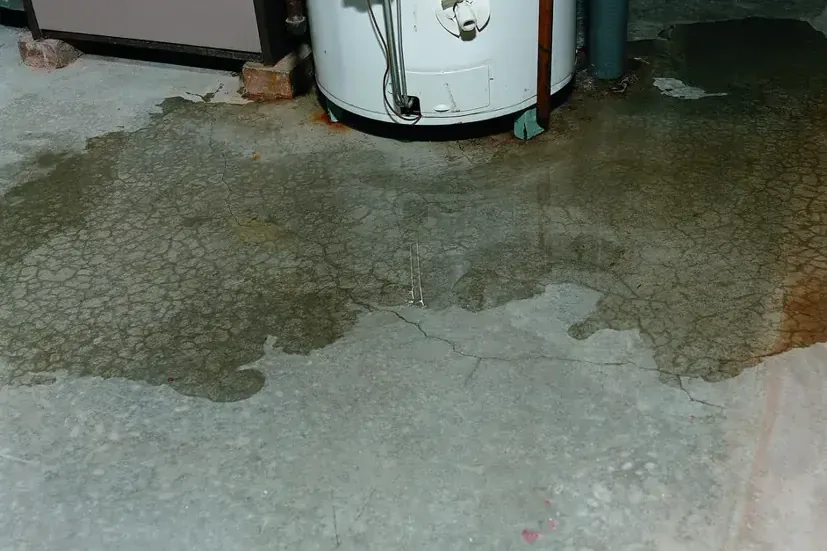
Why Johns Island water damage pros follow a measured plan
First steps for water heater leak cleanup
Keep clear of the heater
The household avoids hot discharge and wet controls; a plumber or appropriate service technician establishes safe isolation before anyone moves equipment around the tank.
Describe the spread beyond the closet
The owner reports damp carpet, cabinet bases or nearby rooms; the restoration technician follows those clues with moisture readings across connected floor assemblies.
Protect accessible dry contents
Belongings move only through a safe dry route; the crew keeps stored items and packing material out of the wet utility work zone.
Coordinate tank access with drying
The plumber and cleanup team plan around the platform and wall bases; replacement equipment should not block inspection of materials that still hold moisture.
What does water heater leak cleanup cost in Johns Island, SC?
Water heater leak cleanup in Johns Island typically ranges from $900 to $4,500 for extraction and drying. Saturated platforms, hidden wall damage and water across adjoining rooms increase the cost; heater replacement is a separate expense.
| Work scope | Typical range |
|---|---|
Contained utility spill
| $900 to $1,800 |
Adjoining room damage
| $1,800 to $4,500 |
Extensive concealed spread
| $4,500 to $8,500 |
An inspection sets the written scope. Water category, affected area, material class and the delay before drying all change the cost. The Johns Island water damage cost calculator estimates a planning range.
How the water heater leak cleanup work progresses
Confirm isolation and access
The source trade addresses the heater while the restoration technician records the water path, identifying which surrounding surfaces need inspection before equipment placement.
Remove released water
The extraction crew works around the safe heater area and adjoining floors, checking platform edges and thresholds for water held beneath visible finishes.
Dry retained materials
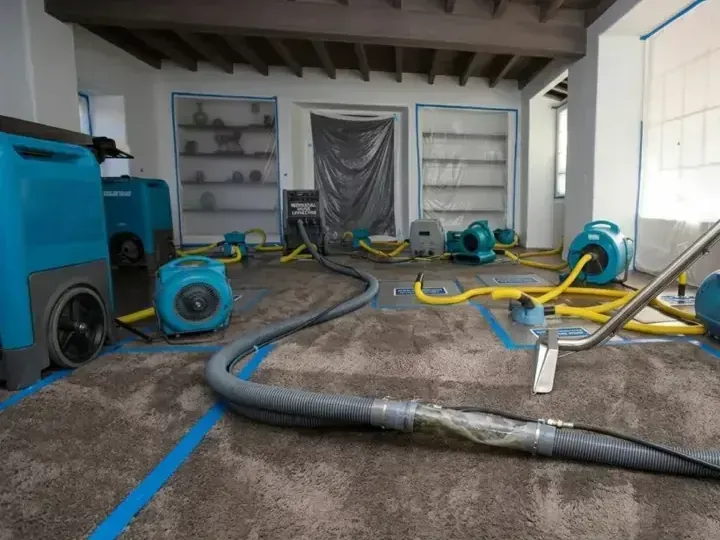
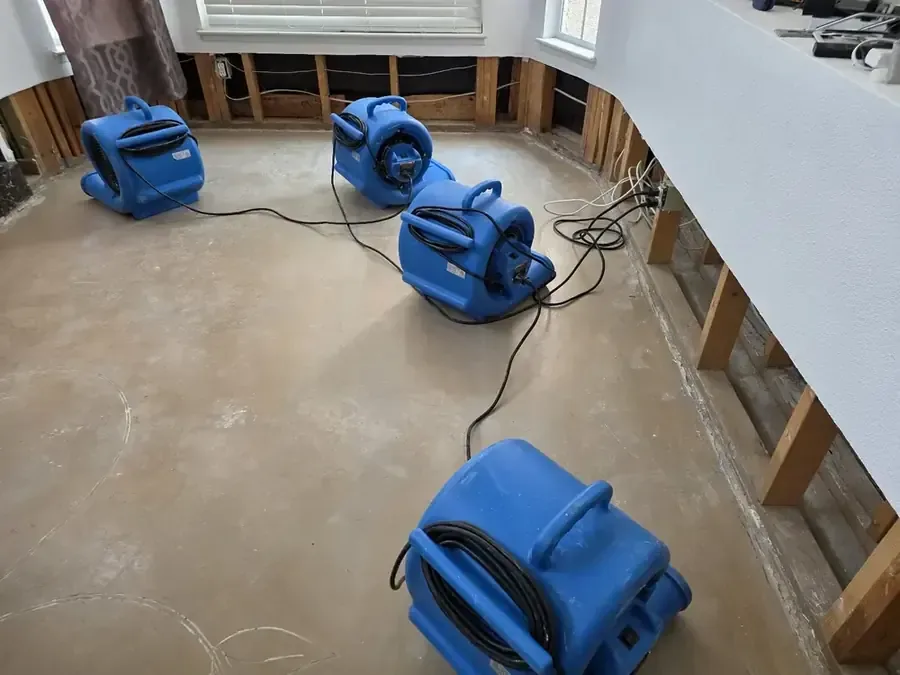
The team opens the agreed layers and controls evaporation with suitable equipment, tracking moisture in wall bases and floor assemblies as the work progresses.
Coordinate the final handoff
Drying results and source findings support the remaining repairs, with clear notes for any platform, trim or finish work needed around the heater.
A leaking water heater can keep releasing water into a utility space while the nearest room shows only a damp edge. The cleanup technician checks beneath the tank area, around the platform and across connected flooring. Homes in Shoreline Farms, Stonoview and along Bohicket Road need the same source-first inspection, with the work adapted to the actual heater location and surrounding materials. Tank replacement alone does not remove water that has already reached the building.
Isolating the heater before cleanup begins
A plumber or appropriate service technician assesses the heater, connections and supply. Hot water, electrical power and fuel connections create hazards beyond an ordinary floor spill. The household should not attempt to move the tank or operate unfamiliar controls in a wet space. The restoration crew coordinates water removal with safe source isolation and access.
The cause may involve the tank, a fitting, a relief discharge or another nearby pipe. The technician records what the source trade identifies and maps the resulting damage separately. A failed heater and a wet utility floor do not automatically mean every surrounding finish needs removal. Readings and direct inspection establish which layers are affected and whether water is still entering them.
- Report hot water, steam or unusual sounds from the heater.
- Keep stored belongings away from the wet work route when safe.
- Photograph the water path before moving damaged items.
- Retain the heater diagnosis with the cleanup record.
- Keep the heater service findings with photos of the platform and adjoining floor, showing where released water reached the surrounding building materials.
- Ask the plumber and restoration contractor to coordinate replacement timing so wet platform edges and wall bases remain available for moisture testing.
Checking the platform, wall bases and adjoining floor
Water can soak a tank platform, enter a wall base or move under a threshold into the next room. The crew checks behind trim and at cabinet edges where the surface may dry sooner than the layers below. Carpet pad, underlayment and insulation need inspection when the water path reaches them. The material decision depends on saturation, damage and contamination.
Along River Road and Maybank Highway, a heater may sit beside household storage or business equipment. The response team plans an extraction route that protects dry contents and leaves safe access for the plumber. The cleanup scope should identify which materials need opening and how the exposed area will remain protected while the heater work proceeds.
A wet heater area needs more than a mop
Residents should avoid touching a wet heater, nearby cords or switches until the appropriate trade makes the area safe. Hot discharge can injure skin, and a heavy tank should not be shifted to chase a puddle. The household should leave fuel and electrical controls to qualified personnel when their operation or condition is uncertain. The response team checks the access route before placing extraction equipment. Children and pets remain outside the utility area. Immediate gas, electrical or burn danger requires emergency assistance. Cleanup follows source isolation and a safe work boundary, rather than hurried entry beside an active appliance.
Drying around the replacement or repaired tank
The restoration team removes accessible water, opens agreed wet layers and places drying equipment around the retained assembly. A new tank should not conceal a wet platform or damaged wall base. Coordination with the plumber allows the drying technician to inspect those locations before access closes. The crew records readings at the same points during the dry-out.
Dehumidification controls moisture released from the structure while air movement serves exposed surfaces. A dry tile surface can still cover wet underlayment or a damp wall edge. Final material readings, not the appearance of the utility room, determine when the drying work ends. The repair handoff identifies remaining trim, platform or finish replacement.
EPA leak-checking information describes household water-loss warning signs. Ready.gov water safety precautions address electrical exposure and unsafe entry. The claim file should include the heater source findings, damage photos and drying scope. The insurer decides coverage for the resulting damage and any distinction from replacing the failed equipment.
Water from the tank can reach wall bases before the next room looks flooded. The cleanup team checks that hidden spread before repairs close the utility area. The restoration crew coordinates safe access, removes released water and monitors the platform, floor edges and connected wall assemblies.
(888) 532-8921Arrange heater-loss cleanupRelated water damage services in Johns Island
Water Heater Leak Cleanup questions in Johns Island, SC
Does replacing the heater finish the cleanup?
No. A new heater stops one part of the problem, but released water can remain in the platform, flooring and wall bases. The restoration crew checks those materials and documents the separate drying scope.
Can the household move the tank to reach water?
A water heater is heavy and connected to utilities. Moving it belongs with the appropriate trade after safe isolation. The cleanup team coordinates access rather than asking the household to shift equipment in a wet space.
Why check the next room?
Water can cross beneath a threshold or through a wall base. The adjacent room may contain wet pad or underlayment even when the utility floor looks nearly dry. Readings help locate that concealed spread.
Can a tank platform remain?
Its material, saturation and physical condition determine the decision. The technician checks whether it can be dried safely and whether damage affects the repair plan. The source trade and restoration contractor coordinate before access closes.
Is the water always clean?
A supply source is one part of the category assessment. Contact with dirty materials, the release path and time affect the cleanup conditions. The contractor evaluates the actual loss before selecting extraction and material handling methods.
Is after-hours water removal available?
24/7 dispatch supports urgent heater-loss assessment. Hot discharge, electrical conditions and source isolation determine the first safe steps. The household should describe those concerns along with the rooms and finishes that became wet.
Water heater leak cleanup in Johns Island
Coverage includes ZIP 29455 and 29457, River Road, Maybank Highway, Bohicket Road, Shoreline Farms and Stonoview. The response team checks access and the water source before planning extraction, cleanup and structural drying for the affected property.
Nearby service areas include Folly Beach, Kiawah Island and Seabrook Island.
Dry the materials around the heater
The restoration crew coordinates safe access, removes released water and monitors the platform, floor edges and connected wall assemblies.
(888) 532-8921Discuss tank-area drying