Sewage Backup Cleanup in Johns Island, SC
Sewage backup cleanup in Johns Island starts with keeping people out of the affected area. The cleanup crew treats sewage as Category 3 water, contains the work and removes contaminated porous materials.
(888) 532-8921Contain the sewage-affected rooms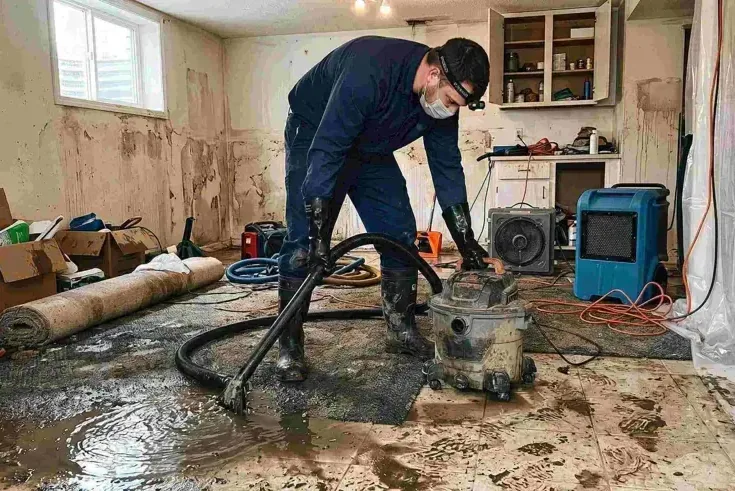
Why Johns Island water damage pros follow a measured plan
First steps for sewage backup cleanup
Restrict entry immediately
The household keeps people and pets away from contaminated floors; the response team establishes a work boundary and a clean route before equipment arrives.
Pause affected fixture use
Continued flushing or draining can add wastewater to the spill; a plumber or the relevant utility investigates the blockage and source of the backup.
Identify electrical exposure
Wet outlets and appliances need safe electrical assessment; occupants do not cross sewage to reach a breaker, cord or device inside the affected room.
Keep contents separated
The cleanup crew sorts contacted belongings inside the work zone; contaminated items do not travel through clean rooms without suitable containment and handling.
What does sewage backup cleanup cost in Johns Island, SC?
Sewage backup cleanup in Johns Island often costs $2,000 to $9,000 for residential losses. Contaminated porous materials, access, affected area and the amount of cleaning required can move a larger project above that range.
| Work scope | Typical range |
|---|---|
Limited hard-surface backup
| $2,000 to $3,500 |
Several contaminated rooms
| $3,500 to $9,000 |
Extensive building contamination
| $9,000 to $18,000 |
An inspection sets the written scope. Water category, affected area, material class and the delay before drying all change the cost. The Johns Island water damage cost calculator estimates a planning range.
How the sewage backup cleanup work progresses
Establish contamination controls
The supervisor identifies contact surfaces and access restrictions, then selects protective equipment and containment before the crew starts extracting wastewater from the building.
Remove waste and porous debris
The cleanup team extracts sewage and removes unsuitable materials, checking above visible water marks and documenting the actual removal boundary with photographs.
Clean salvageable surfaces
The crew removes residue and applies the selected antimicrobial according to its label, allowing the required dwell time before the drying setup begins.
Verify drying and remaining repairs
Moisture readings track the retained structure toward dry goals; the final record separates completed cleanup from the plumbing and finish work still required.
A sewage backup spreads contamination wherever the water contacts floors, wall bottoms and belongings. The cleanup crew identifies the affected boundary before moving equipment or contents through the building. Shoreline Farms, Stonoview and the River Road corridor all require property-specific source checks. A public sewer interruption, a blocked private drain and a septic problem involve different repair decisions. The restoration scope addresses the contaminated building while the appropriate plumbing or utility work addresses the cause.
Containment comes before air movement
Sewage is Category 3 water from the outset. Clear-looking water from a backup can still contain harmful contaminants. The response team establishes a work zone, uses suitable protective clothing, gloves, eye protection and respiratory protection as the assessment requires, and plans a route for bagged debris. Household fans should remain off in the contaminated space until cleanup controls are established.
The crew separates unaffected rooms from the removal area. Tools and footwear need handling that avoids carrying residue onto clean surfaces. Contents near the edge of the spill require inspection even when they did not sit in the deepest water. The technician photographs the affected materials before removal and records how far moisture has wicked above the visible water mark.
- Keep children and pets away from the spill and cleanup route.
- Stop using affected plumbing fixtures until the cause is assessed.
- Avoid flushing toilets to test whether the backup has cleared.
- Leave contaminated carpets and soft furnishings for assessment.
- Identify a clean route for the household that stays outside the contaminated room and the path used for removing bagged debris.
- Ask the cleanup supervisor which retained surfaces need cleaning and how the crew records product application and the required label dwell time.
Removing contaminated layers and cleaning the structure
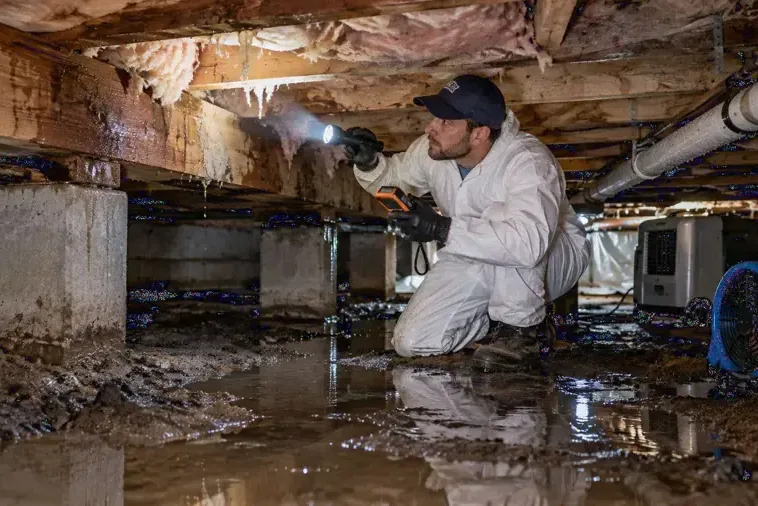
Carpet pad, insulation, paper-faced wallboard and other porous materials touched by sewage commonly require removal. The crew checks above the visible waterline because capillary movement can carry moisture higher. The cut boundary follows inspection findings and material condition. It should not be chosen solely from the puddle depth.
After gross contamination and debris are removed, the team cleans salvageable hard surfaces. An EPA-registered antimicrobial product is used according to its label, including the required dwell time and surface preparation. Spraying a product over dirty material is not a substitute for removal and cleaning. The drying setup follows those steps so air movement does not distribute untreated residue.
Keep the household outside the contaminated area
Residents should not walk through sewage to reach a shutoff or collect belongings. Wet electrical outlets, unstable flooring and pressurized plumbing can add hazards to the contamination itself. The response team evaluates access before entry and identifies where occupants can safely remain. A clean path to an exit must stay open. Food, soft toys and personal items that contact sewage need separate assessment rather than casual wiping. Anyone with immediate health concerns should seek appropriate medical advice. The restoration contractor handles the building cleanup; the household should follow public health directions for personal exposure and avoid reentering the work zone.
Documenting the backup and the drying work
A reported sewer project in Shoreline Farms and Stonoview establishes local wastewater infrastructure work, but the cleanup team still checks the actual property connection and source. Along Bohicket Road, the household should identify its known wastewater arrangement and any recent plumbing symptoms. The technician records that history without guessing at utility responsibility.
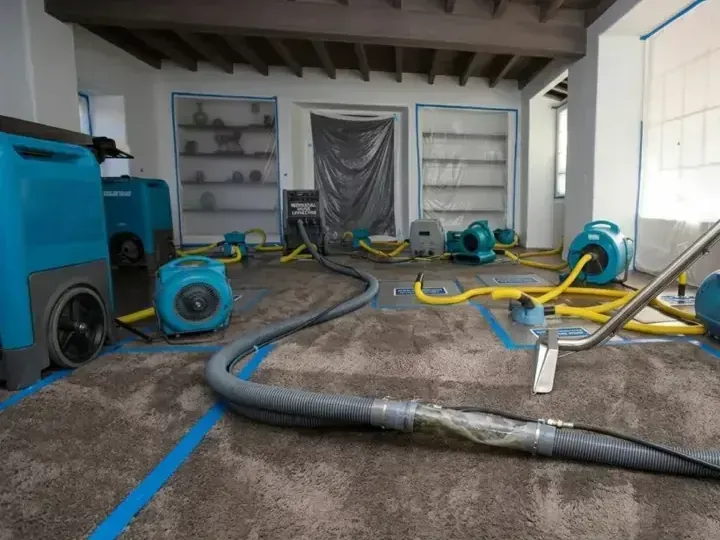
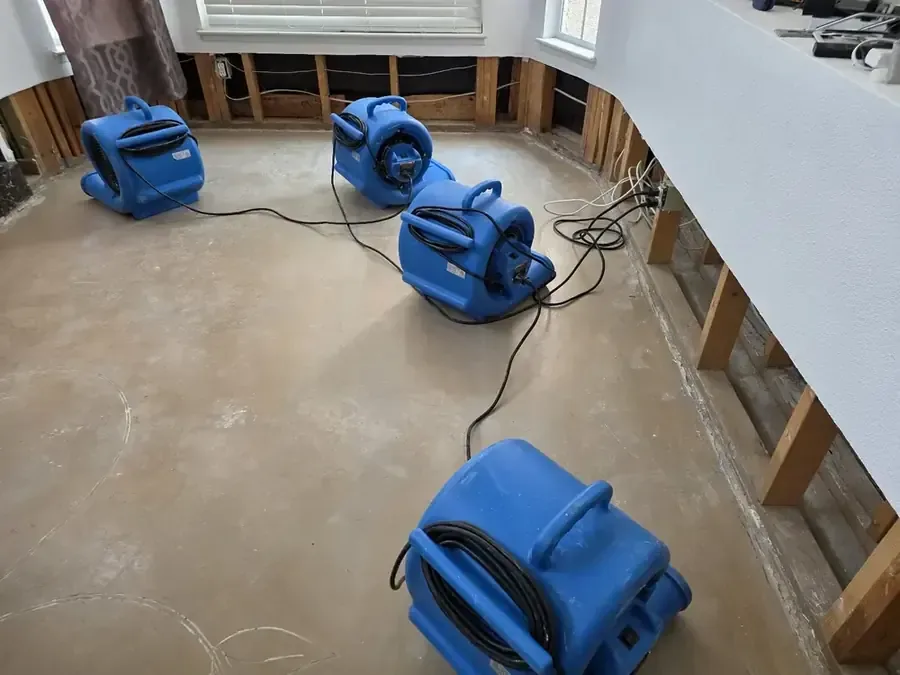
Once cleaning is complete, dehumidifiers and air movers address remaining moisture in salvageable framing and subfloor. Daily readings show progress toward a dry reference. The closeout record identifies removed materials, cleaning methods, equipment and unresolved repairs. Insurance coverage for sewer backup varies with the policy and endorsements, so the insurer should review the documented cause and scope.
EPA flooded-home cleanup information explains material and contamination considerations. Ready.gov flood safety advice reinforces the need to avoid unsafe water and electrical exposure during entry and cleanup.
Sewage contact changes which materials can remain. The cleanup team establishes containment and a removal plan before drying equipment starts moving air. The response team plans controlled extraction, material removal and cleaning before the structure enters a measured drying phase.
(888) 532-8921Discuss Category 3 cleanupRelated water damage services in Johns Island
Sewage Backup Cleanup questions in Johns Island, SC
Is a toilet backup always Category 3?
Sewage from a toilet or wastewater backup is Category 3. The cleanup plan treats contacted materials as contaminated from the start. The crew uses contamination controls regardless of the water appearance or odor.
Can a household use bleach and keep the carpet?
A surface treatment does not remove contamination from carpet backing and pad. The contractor evaluates porous materials for removal and cleans salvageable surfaces using an appropriate method and product label instructions.
Why remove wallboard above the water mark?
Water can wick above the visible puddle level. The technician checks moisture and contamination at the wall base and sets the removal boundary from those findings, rather than following only the stain or standing-water depth.
Does the restoration crew unblock the sewer?
The written scope identifies the source work separately. A plumber or relevant utility addresses the blockage or failure. The restoration team handles sewage removal, affected building materials, cleaning and the subsequent drying record.
When can the rooms be used again?
The contractor evaluates completed cleaning, safe access and moisture conditions before releasing the work area. Remaining plumbing or electrical hazards can still restrict use after water removal, so the household follows the documented restrictions.
Can a backup be reported outside business hours?
24/7 dispatch supports urgent sewage cleanup assessment. The household should keep the area isolated while the source and access are evaluated. A fixed cleanup duration requires an inspection of the materials and contamination.
Sewage backup cleanup in Johns Island
Coverage includes ZIP 29455 and 29457, River Road, Maybank Highway, Bohicket Road, Shoreline Farms and Stonoview. The response team checks access and the water source before planning extraction, cleanup and structural drying for the affected property.
Nearby service areas include Folly Beach, Kiawah Island and Seabrook Island.
Keep contamination from reaching clean rooms
The response team plans controlled extraction, material removal and cleaning before the structure enters a measured drying phase.
(888) 532-8921Arrange controlled backup cleanup