Roof Leak Water Damage in Johns Island, SC
Roof leak water damage in Johns Island often appears below the point where rain enters. The restoration technician traces wet insulation, roof framing and ceiling layers after the roofing contractor addresses the exterior opening.
(888) 532-8921Trace the rain inside the roof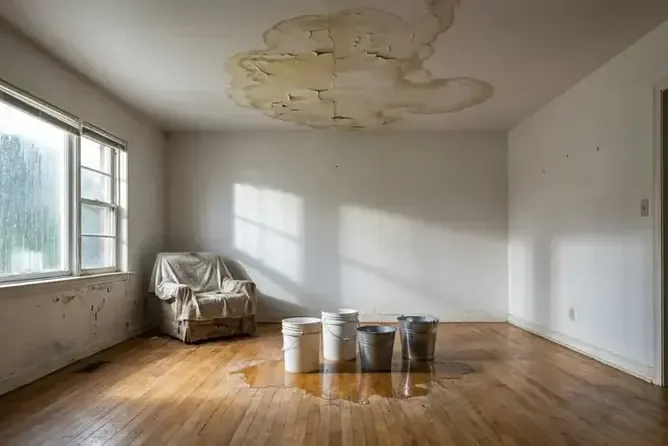
Why Johns Island water damage pros follow a measured plan
First steps for roof leak water damage
Avoid the sagging area
The household keeps people away from swollen ceiling sections; the response team evaluates overhead stability before anyone works beneath the wet roof assembly.
Arrange exterior source control
A roofing contractor assesses the opening when conditions permit safe work; the restoration crew coordinates interior drying with that source control rather than repeated wetting.
Report wet lights and wiring
Electrical exposure changes access to the ceiling and attic; residents avoid touching affected fixtures until qualified personnel establish a safe condition.
Preserve the rain timeline
The owner records when rain, drips and stains appeared; the technician uses that history alongside attic readings to trace the interior water path.
What does roof leak water damage cost in Johns Island, SC?
Roof leak water damage restoration in Johns Island typically ranges from $1,200 to $6,000 for interior cleanup and drying. Attic access, saturated insulation and damage across several rooms increase the scope; roof repair is separate.
| Work scope | Typical range |
|---|---|
Localized ceiling intrusion
| $1,200 to $2,500 |
Attic and room damage
| $2,500 to $6,000 |
Broad interior migration
| $6,000 to $12,000 |
An inspection sets the written scope. Water category, affected area, material class and the delay before drying all change the cost. The Johns Island water damage cost calculator estimates a planning range.
How the roof leak water damage work progresses
Trace the rain path
The technician checks the visible stain and accessible layers above it, recording source observations and wet framing locations before deciding where interior access belongs.
Remove unsuitable wet layers
The crew opens the agreed ceiling or attic areas and handles damaged insulation, preserving photographs and quantities for the repair and insurance records.
Dry exposed assemblies
Equipment targets retained roof and ceiling materials after source control; the team checks progress and adjusts airflow when dense or enclosed areas dry slowly.
Release for finish repairs
Final readings and photographs document the drying result, while the contractor identifies any remaining roof work or interior repair needs before the assembly closes.
A ceiling stain below a roof leak may sit well away from the opening. Water can run along roof framing, collect in insulation and follow a penetration before it reaches the visible finish. The restoration technician traces that path instead of opening only the stained patch. Around Bohicket Road, Maybank Highway and River Road, roof shape and attic access determine how the inspection proceeds. Each property needs its own moisture map.
Separating roof repair from the interior dry-out
A roofing contractor identifies and addresses the exterior source, which may involve flashing, a roof covering or another roof detail. The restoration crew assesses the water already inside the structure. Temporary source control and interior moisture work need coordination, particularly when rain continues. Drying cannot compensate for repeated entry through an unresolved opening.
The technician checks the underside of the roof, framing members, insulation and the ceiling below when safe access allows it. Thermal patterns can help identify areas for investigation, but direct moisture readings confirm wet material. The report should distinguish the suspected entry point from the full interior damage path so repair decisions do not stop at the first visible mark.
- Record the timing of rain and the first visible drip.
- Photograph staining before paint or ceiling removal.
- Report wet fixtures, sagging finishes and attic access limits.
- Keep the roofing repair and interior drying scopes clear.
- Keep the roofing diagnosis with attic and ceiling photographs so the source repair and interior moisture work can be assessed together.
- Ask the technician to identify wet insulation that blocks access to retained framing and explain how that material affects the drying plan.
Wet insulation and concealed ceiling layers
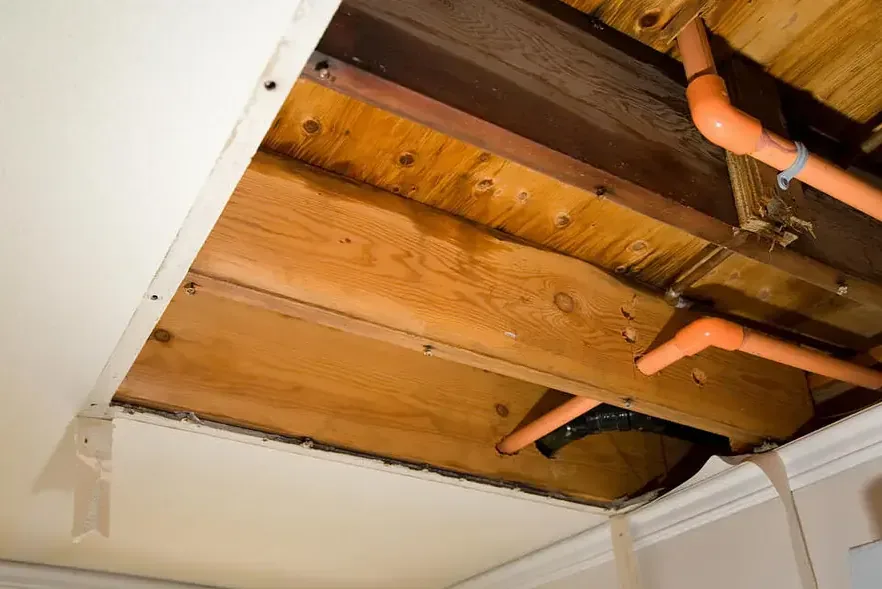
Insulation can hold water above a ceiling after dripping stops. The crew evaluates saturation, contamination and the ability to dry the surrounding structure. Compressed or damaged insulation may require removal to expose wet framing. The technician checks wall tops and vertical cavities when water has followed a roof penetration or partition.
The coastal setting beside the Stono River gives storm exposure a local context, but the inspection must identify how rain entered this roof. Homes in Stonoview and Shoreline Farms should not receive a generic diagnosis based on neighborhood or weather alone. The drying plan follows observed moisture, actual materials and a controlled opening strategy.
Stay below a safe ceiling, not a bulging one
Residents should avoid the area under a sagging or swollen ceiling. Wet fixtures and wiring also require a safe electrical assessment before anyone touches switches or moves equipment nearby. A household should not climb onto a wet roof or crawl across an attic without proper access and support. The roofing contractor manages exterior source work, while the restoration team plans controlled interior access. A bucket can collect a small drip only when its placement is safe; it does not address water above the ceiling. Immediate structural or electrical danger requires emergency assistance before cleanup or photographs.
Drying roof framing and restoring the interior sequence
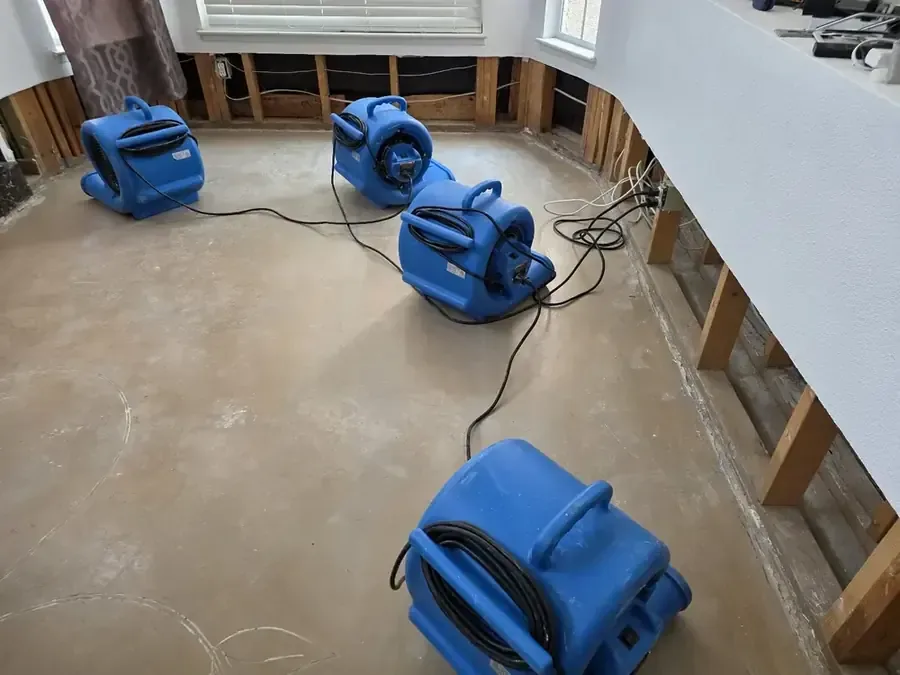
After source control and necessary material removal, air movement and dehumidification target the exposed framing and ceiling assembly. The drying technician records baseline moisture and dry reference readings. Roof sheathing, lumber and plaster can release moisture at different rates, so equipment placement and the monitoring schedule follow the materials rather than a fixed calendar.
Finish repairs begin after the drying record supports closure. Painting over an active stain or covering a wet cavity can conceal continuing damage. The contractor provides photos of opened areas, removed insulation and final readings so the repair team understands the scope. Insurance decisions depend on cause and policy terms, including how the roof condition relates to the resulting interior damage.
Ready.gov storm safety information covers precautions during active weather. EPA information for water-affected homes describes cleanup and material considerations after intrusion. The household should retain roof findings with the interior moisture report because the source and resulting damage are related parts of the same event.
Rain can stop while wet insulation keeps feeding the ceiling. The restoration technician traces the retained moisture before the finish repair begins. The team coordinates interior moisture work with exterior source control and records the condition of the roof framing and ceiling assembly.
(888) 532-8921Assess the wet attic layersRelated water damage services in Johns Island
Roof Leak Water Damage questions in Johns Island, SC
Does the stain show exactly where the roof leaks?
Not necessarily. Water can follow framing, insulation or a penetration before appearing below. The technician traces the path with inspection and readings, while the roofing contractor identifies the exterior source.
Can attic insulation dry in place?
Its material, saturation and contamination determine that decision. Insulation that blocks drying access or has lost its condition may require removal. The crew evaluates the framing and ceiling layers around it before choosing a method.
Should a household puncture a ceiling bulge?
A bulge can involve unstable finishes and concealed wiring. Residents should keep clear and have the area assessed. Controlled opening belongs in a planned work area after electrical and overhead hazards are addressed.
Does the restoration price include roof replacement?
The written scope should separate exterior roofing work from interior extraction, material removal and drying. A roofing contractor determines the source repair. The restoration contractor documents the wet building materials and their treatment.
Why monitor after the rain stops?
Water can remain in roof framing, insulation and ceiling layers after dripping ends. Readings show whether those materials are progressing toward drying goals. Material readings confirm the drying progress after dripping stops.
Can a rain leak be reported after hours?
24/7 dispatch supports urgent interior water assessment. Active weather, safe roof access and electrical conditions determine the next steps. The crew plans the interior work around source control and the observed hazards.
Roof leak water damage in Johns Island
Coverage includes ZIP 29455 and 29457, River Road, Maybank Highway, Bohicket Road, Shoreline Farms and Stonoview. The response team checks access and the water source before planning extraction, cleanup and structural drying for the affected property.
Nearby service areas include Folly Beach, Kiawah Island and Seabrook Island.
Dry the roof leak path from the inside
The team coordinates interior moisture work with exterior source control and records the condition of the roof framing and ceiling assembly.
(888) 532-8921Discuss rain-entry drying