Structural Drying in Johns Island, SC
Structural drying in Johns Island addresses moisture left inside the building after extraction. The drying team measures affected materials, controls evaporation and records progress toward appropriate dry reference goals before equipment comes out.
(888) 532-8921Measure the moisture that remains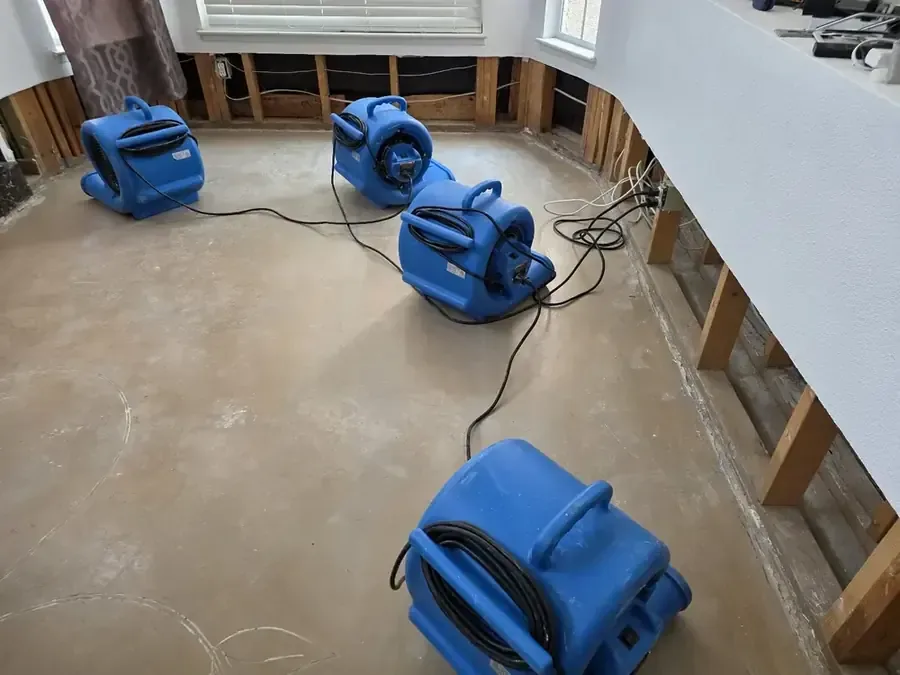
Why Johns Island water damage pros follow a measured plan
First steps for structural drying
Confirm the water source is controlled
The restoration team checks the repair status before relying on a drying trend; continuing water entry can overwhelm equipment and hide behind apparently improving surfaces.
Keep the test points accessible
Furniture and stored contents remain clear of marked wet locations; the technician needs repeatable access to compare material readings throughout the drying period.
Maintain the planned environment
The household follows instructions for doors, windows and containment; uncontrolled air changes can alter humidity and reduce the effectiveness of the selected equipment.
Report equipment changes promptly
A stopped machine, tripped circuit or new wet area belongs in the daily update; the drying team adjusts the plan from those observations and measured progress.
What does structural drying cost in Johns Island, SC?
Structural drying in Johns Island typically costs $1,000 to $5,000 for a contained residential loss. Material density, wet area, necessary access and the duration of equipment use determine the drying cost; major removal or repairs are separate.
| Work scope | Typical range |
|---|---|
Limited exposed materials
| $1,000 to $2,000 |
Several connected assemblies
| $2,000 to $5,000 |
Dense or extensive moisture
| $5,000 to $10,000 |
An inspection sets the written scope. Water category, affected area, material class and the delay before drying all change the cost. The Johns Island water damage cost calculator estimates a planning range.
How the structural drying work progresses
Establish the drying baseline
The technician maps wet materials and selects dry reference points, recording source conditions and test methods before the equipment setup changes the room environment.
Balance evaporation and removal
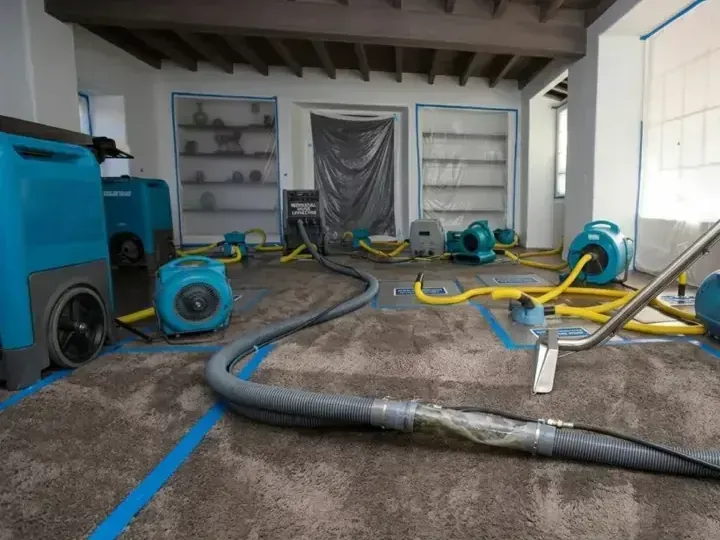
Air movers serve exposed wet surfaces while dehumidifiers control room moisture, with equipment capacity and placement matched to the affected assembly and safe access.
Read and adjust the trend
The team revisits marked locations and checks operating conditions, changing airflow, capacity or access where material readings show a slower response than expected.
Document the drying result
Final comparisons show which materials reached their goals, and the handoff identifies remaining repair work or finish-specific testing needed before the structure is covered.
A room can look ready for repairs while its wall base, subfloor or framing still holds moisture. Structural drying follows that retained water rather than the appearance of the surface. Properties around River Road, Stonoview and Shoreline Farms need a drying plan suited to the materials actually affected. The technician records the wet boundary and a dry comparison area, then selects equipment to move moisture out of the structure and into air that the dehumidifier can treat.
Moisture mapping sets the equipment plan
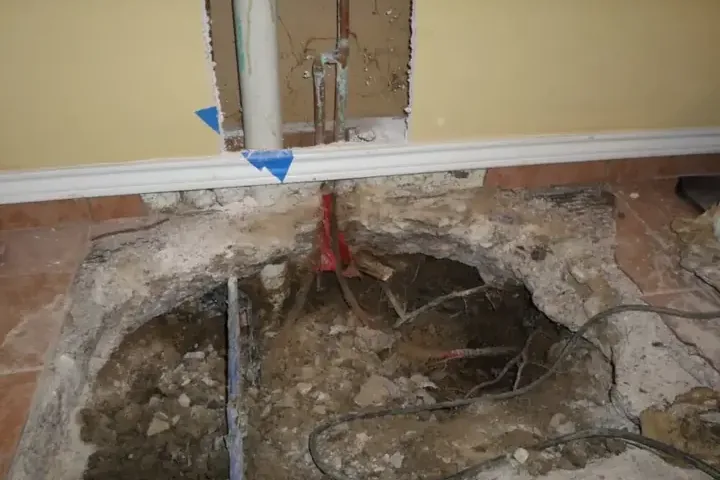
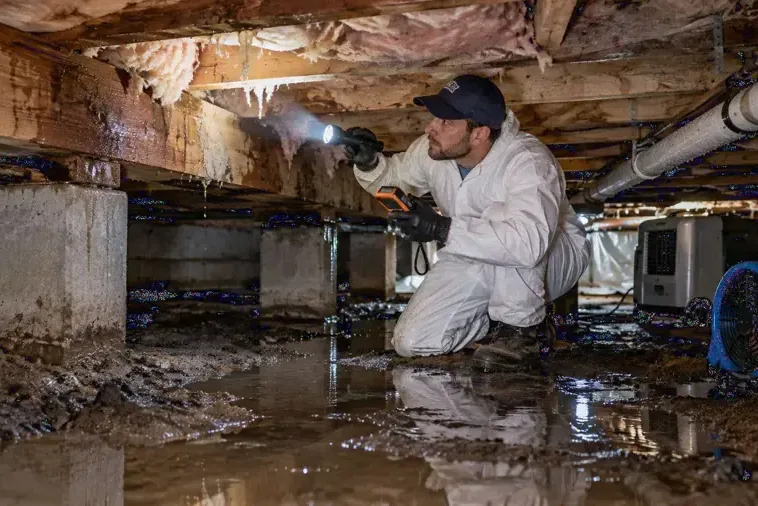
The first inspection identifies the water source, category, affected materials and likely evaporation load. A small patch of wet wallboard differs from a room with saturated carpet, insulation and wood framing. The class of loss helps describe how much of the assembly holds water. The technician uses that information to plan equipment capacity and access.
Pin and pinless meters serve different testing needs. Thermal imaging can help locate a suspicious area, but a temperature pattern needs confirmation. The team marks repeatable test locations and records the method so later readings remain useful. Dry reference materials in an unaffected area help define realistic goals for the same building conditions.
- Use consistent test points to compare progress.
- Check retained materials beneath or behind the visible finish.
- Record room air and equipment operating conditions.
- Change the plan when the readings stop improving.
- Retain the initial moisture map and final comparison readings so the repair contractor can identify the tested materials and the drying goals achieved.
- Ask the technician to explain any change in equipment capacity or access when a material responds slowly or the room conditions change.
Air movement and dehumidification work together
Air movers encourage evaporation at wet surfaces. Dehumidifiers remove moisture from the room air so that evaporation can continue. Equipment placement follows the exposed assembly and room layout, with attention to power, safe walking routes and containment. Running many fans without adequate moisture removal can leave humid air circulating around the same wet materials.
The Stono River and tidal setting are part of the island environment, but indoor drying still depends on measured conditions inside the work area. Along Maybank Highway, a shop and a residence may have different access and operating limits. The technician considers those constraints while maintaining the conditions needed to dry the retained structure.
Keep equipment and the work boundary intact
Residents should leave drying equipment running as directed and report tripped circuits, leaks from equipment or changes in the room. Moving machines or opening containment can alter the planned airflow and humidity. Cords and hoses need clear routes, especially around children and pets. The contractor establishes safe electrical use before the setup starts. Household members should not adjust controls or remove equipment because the room feels warm or the surface seems dry. The drying technician checks the material readings and operating conditions before making those decisions. Immediate electrical concerns require stopping unsafe access and contacting the appropriate help.
Completion depends on the material, not the calendar
Dense concrete, layered flooring and enclosed wall assemblies can release moisture more slowly than an exposed piece of wallboard. The team revisits the wet points, compares them with the dry reference and adjusts access or equipment when necessary. IICRC S500 provides the drying framework; a fixed number of days cannot replace a material-specific assessment.
The final record includes the initial map, progress readings, equipment changes and the drying goals achieved. Repair trades may also require tests specific to a new floor covering or other finish. The contractor should identify those requirements before a replacement material seals the assembly. The insurer reviews the policy and documented work to determine coverage.
EPA information on flooded homes addresses water-affected materials and cleanup. Ready.gov flood precautions cover safe entry around water and electricity. The drying report brings the observations together so the owner and repair team can see what remains to be replaced, what was retained and how the retained structure reached its drying goals.
A dry surface is only one observation. The drying team checks the retained layers and the daily trend before releasing the room for repairs. The technician maps moisture, adjusts equipment and documents the drying goals so the next trade knows which assemblies are ready.
(888) 532-8921Arrange a measured drying planRelated water damage services in Johns Island
Structural Drying questions in Johns Island, SC
Why does a dry-feeling floor still need equipment?
The top surface can dry before the subfloor or underlayment. Material readings show whether moisture remains in those layers. The drying team uses the measured trend and reference goals to decide when equipment can leave.
What does IICRC S500 mean for the work?
It is a water damage restoration standard that informs assessment and drying practice. The technician applies a material-specific plan, documents conditions and checks progress. The name of the standard is not a credential claim about the contractor.
Are more fans always better?
Equipment must match the evaporation load and available moisture removal. Excess air movement without effective dehumidification can leave humid air circulating. The team selects and adjusts the setup using material and room-air readings.
Can windows stay open while dehumidifiers run?
The contractor sets the drying environment for the actual conditions. Uncontrolled outdoor air can change humidity and equipment performance. The household should follow the work instructions and ask before changing doors, windows or containment.
Does every material have the same drying goal?
No. Material type, testing method and a suitable dry reference shape the goal. Replacement flooring may require additional substrate tests. The drying report should identify the relevant locations and criteria rather than one universal number.
Is moisture assessment available after hours?
24/7 dispatch supports urgent water-loss assessment. The initial visit focuses on safety, source control and the wet materials. Subsequent monitoring follows the established drying plan and the observed progress at the property.
Structural drying in Johns Island
Coverage includes ZIP 29455 and 29457, River Road, Maybank Highway, Bohicket Road, Shoreline Farms and Stonoview. The response team checks access and the water source before planning extraction, cleanup and structural drying for the affected property.
Nearby service areas include Folly Beach, Kiawah Island and Seabrook Island.
Make the repair decision from material readings
The technician maps moisture, adjusts equipment and documents the drying goals so the next trade knows which assemblies are ready.
(888) 532-8921Discuss the remaining moisture