Appliance Leak Water Damage in Johns Island, SC
Appliance leak water damage in Johns Island can hide beneath a dishwasher, washer or refrigerator. The restoration team follows the water into cabinet bases and floor layers after the appliance or plumbing source is controlled.
(888) 532-8921Check beneath the leaking appliance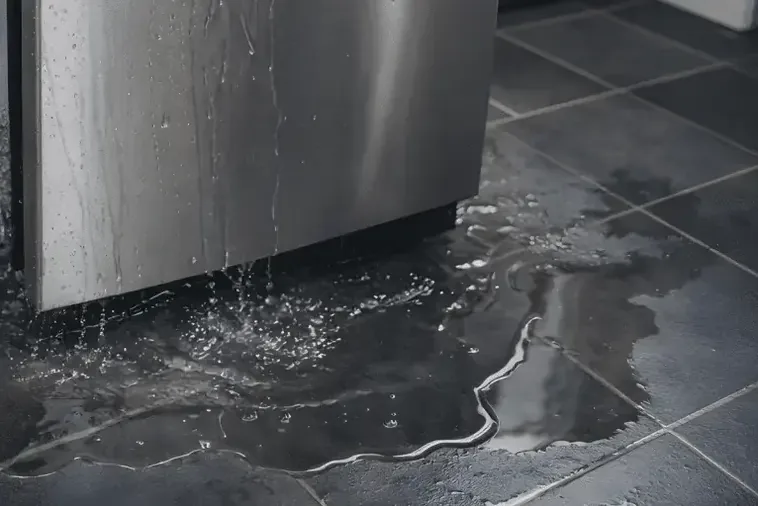
Why Johns Island water damage pros follow a measured plan
First steps for appliance leak water damage
Pause the appliance cycle
The household stops using the suspected machine when safe; a plumber or appliance technician evaluates the source instead of adding another test cycle to wet flooring.
Avoid the rear connections
Wet plugs, hoses and hardwired equipment require safe isolation; residents leave machine movement to the appropriate trade when access or electrical conditions are uncertain.
Track the cycle and water path
The owner notes whether leaking followed filling or draining; the restoration technician checks that history against moisture below cabinets and in adjoining rooms.
Leave the wet bay accessible
The crew coordinates removal and reinstallation with the repair trade; equipment should not hide damp subfloor or cabinet bases before the drying assessment finishes.
What does appliance leak water damage cost in Johns Island, SC?
Appliance leak water damage cleanup in Johns Island typically costs $800 to $4,000 for a contained kitchen or laundry loss. Cabinet removal, layered flooring and water in adjoining rooms increase the restoration scope; appliance repair is separate.
| Work scope | Typical range |
|---|---|
Accessible appliance spill
| $800 to $1,600 |
Cabinet or floor-layer damage
| $1,600 to $4,000 |
Multiple rooms affected
| $4,000 to $8,000 |
An inspection sets the written scope. Water category, affected area, material class and the delay before drying all change the cost. The Johns Island water damage cost calculator estimates a planning range.
How the appliance leak water damage work progresses
Identify the release type
The technician records whether the loss came from supply or discharge water, then evaluates contacted materials and the safe access needed beneath the appliance.
Expose the trapped moisture
The crew opens agreed toe spaces or flooring after utility isolation, documenting the condition of cabinet bases and subfloor before removing unsuitable material.
Dry the remaining assembly
Airflow reaches exposed layers while dehumidification removes released moisture; repeated readings identify areas that remain wet beneath the apparently dry room surface.
Prepare for reinstallation
The team provides drying results and notes remaining material repairs, coordinating the appliance return so the completed source repair does not conceal unresolved moisture.
An appliance leak often begins behind a cabinet face or beneath a machine, where a towel cannot reach it. Water may travel under flooring and appear at the far side of the kitchen or laundry room. For homes near Maybank Highway, Bohicket Road and Stonoview, the technician checks the installation and the wet assembly rather than assuming the visible puddle defines the damage. The source can involve a supply connection, drain hose, door seal or internal component.
Supply water and appliance discharge need different assessment
A recent clean supply release differs from used dishwasher or washing-machine water. Detergent, food residue and the materials contacted influence the cleanup plan. The restoration contractor documents the source and water conditions before choosing material handling and drying methods. Running another appliance cycle to find the leak can add water to already wet layers.
An appliance technician or plumber addresses the failed component. The cleanup crew assesses the damage beneath and around it. Safe access may require moving the machine after utility isolation, removing a toe-kick or opening a limited section of flooring. The contractor explains the proposed access before pulling fixed fittings or disturbing a countertop-supported cabinet assembly.
- Pause use of the suspected appliance until the source is assessed.
- Report whether water appeared during filling, washing or draining.
- Keep wet cords and receptacles untouched until safe.
- Record swollen cabinet panels and lifted flooring before removal.
- Identify whether the appliance released supply water or used discharge so the cleanup contractor can assess contamination and the contacted floor materials.
- Ask for readings beneath the appliance bay and at cabinet toes before the repaired machine returns and blocks access to those locations.
Reaching moisture under cabinets and finished floors
Cabinet toe spaces and layered floors can hold water after the room surface dries. Particleboard, wood, adhesive and underlayment react differently to prolonged moisture. The technician checks each affected material for swelling, loss of adhesion and the ability to dry. A cabinet that remains structurally sound may still need access at its base to release trapped moisture.
Along River Road and in Shoreline Farms, the actual room layout determines how far the inspection extends. Water can follow a continuous floor beneath a doorway or partition. The crew checks adjacent rooms and records the wet boundary before deciding on removal. The inspection is about the observed water path, not a claim that local homes share the same appliances or construction.
Do not pull a wet machine by its cord
Residents should not drag an appliance across a wet floor or reach behind it when electrical exposure is possible. A machine may be heavy, hardwired or connected to a short supply hose that can break during movement. The appropriate trade isolates the utilities and establishes safe access. The restoration crew protects the route and checks the surface beneath before extraction. Children and pets stay away from open appliance bays and removed trim. The household can note the cycle stage and photograph visible water from a dry location. Immediate electrical danger requires emergency assistance before cleanup or appliance testing begins.
Drying the assembly before reinstalling equipment
Extraction removes accessible water first. The drying team then controls room humidity and directs air to exposed cabinet bases, subfloor and wall edges. Readings at fixed points show whether the layers are responding. A dry top surface is not enough when the underlayment or cabinet bottom remains wet.
The appliance should return only when source repair and the agreed drying or material work allow it. Reinstalling a machine too early can block the last wet pocket from inspection. The contractor records damaged materials, removal quantities and equipment use so the repair handoff is clear. The insurer determines coverage based on the cause and policy.
EPA household leak information discusses common sources and signs of wasted water. Ready.gov precautions around water address electrical and entry risks. Keeping the appliance diagnosis with the moisture map helps explain both the failed component and the resulting water damage without combining them into a single vague repair item.
Water below a cabinet can remain after the kitchen looks clean. The restoration team checks the hidden layers before the appliance returns to its bay. The crew traces supply or discharge water through cabinet bases and floor layers, then documents the material decisions and drying progress.
(888) 532-8921Arrange appliance-loss dryingRelated water damage services in Johns Island
Appliance Leak Water Damage questions in Johns Island, SC
Why does water appear far from the dishwasher?
A continuous floor or cabinet base can carry water away from the source. The technician follows readings beneath finishes and checks adjoining rooms. The first visible puddle may sit at the lowest exit point.
Is washing-machine discharge handled like supply water?
The source and contents differ. Used wash water can contain detergents and contaminants, so the contractor assesses the actual loss before choosing cleanup methods. The contractor evaluates source, contact surfaces and elapsed time to assign the water category.
Can cabinet bases stay in place?
Material condition and access determine that choice. Swollen or damaged panels may need replacement, while salvageable components can require targeted opening and drying. The crew explains the findings before removing fixed fittings.
Should the appliance be run to confirm the leak?
A new cycle can release more water into the assembly. The household should pause use and have the appropriate technician evaluate the source. The restoration crew can document moisture without repeating the appliance failure.
Does the cleanup price include a new machine?
The restoration scope covers water removal, affected materials and drying as agreed. Appliance diagnosis, repair or replacement is a separate item. A written scope helps distinguish those costs and responsibilities.
Can an appliance loss be reported overnight?
24/7 dispatch supports urgent water damage assessment. Safe utility isolation and access govern the first work steps. The household should report active leaking, wet electrical components and the rooms where water has appeared.
Appliance leak water damage in Johns Island
Coverage includes ZIP 29455 and 29457, River Road, Maybank Highway, Bohicket Road, Shoreline Farms and Stonoview. The response team checks access and the water source before planning extraction, cleanup and structural drying for the affected property.
Nearby service areas include Folly Beach, Kiawah Island and Seabrook Island.
Bring the concealed wet area into the plan
The crew traces supply or discharge water through cabinet bases and floor layers, then documents the material decisions and drying progress.
(888) 532-8921Discuss kitchen or laundry moisture