Commercial Water Damage in Johns Island, SC
Commercial water damage in Johns Island affects stock, equipment and access as well as the building. The restoration team defines safe work zones, documents the wet materials and plans extraction and drying around the premises.
(888) 532-8921Plan the business water cleanup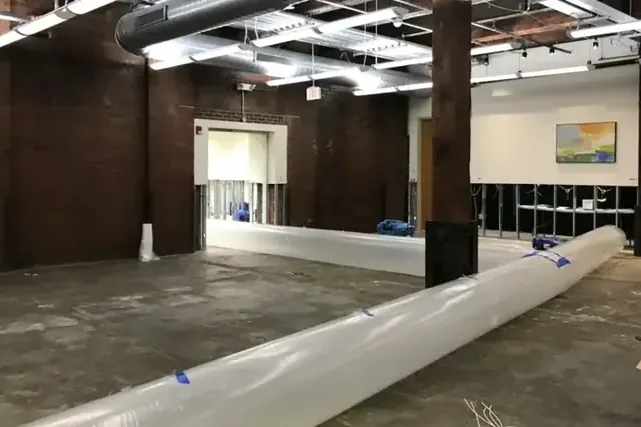
Why Johns Island water damage pros follow a measured plan
First steps for commercial water damage
Restrict unsafe access
The manager keeps staff and customers out of wet or unstable areas; the response team checks exits, electrical exposure and the proposed equipment routes.
Name the property contact
The business identifies who can authorize work and arrange access; the contractor records the agreed scope so tenant and building responsibilities remain clear.
Separate affected stock
The crew documents wet inventory and contents before movement; unaffected materials stay outside the work boundary and away from dirty hoses or removed finishes.
Plan essential operations
The manager describes critical routes and equipment needs; the drying team evaluates whether safe zones can function while the affected assemblies receive controlled treatment.
What does commercial water damage cost in Johns Island, SC?
Commercial water damage restoration in Johns Island often starts around $2,500 for limited losses and can exceed $20,000. Floor area, contamination, access, operating constraints and the affected building systems determine the project scope.
| Work scope | Typical range |
|---|---|
Limited business area
| $2,500 to $5,000 |
Several rooms or tenant areas
| $5,000 to $12,000 |
Extensive commercial loss
| $12,000 to $25,000 |
An inspection sets the written scope. Water category, affected area, material class and the delay before drying all change the cost. The Johns Island water damage cost calculator estimates a planning range.
How the commercial water damage work progresses
Establish the operating boundary
The supervisor records wet areas and critical access needs, coordinating source repair and authorization before setting restricted zones and the equipment route through the premises.
Extract and protect contents
The crew removes accessible water and documents contacted stock and finishes, keeping separate assessments for business equipment and materials that require specialized handling.
Monitor each drying zone
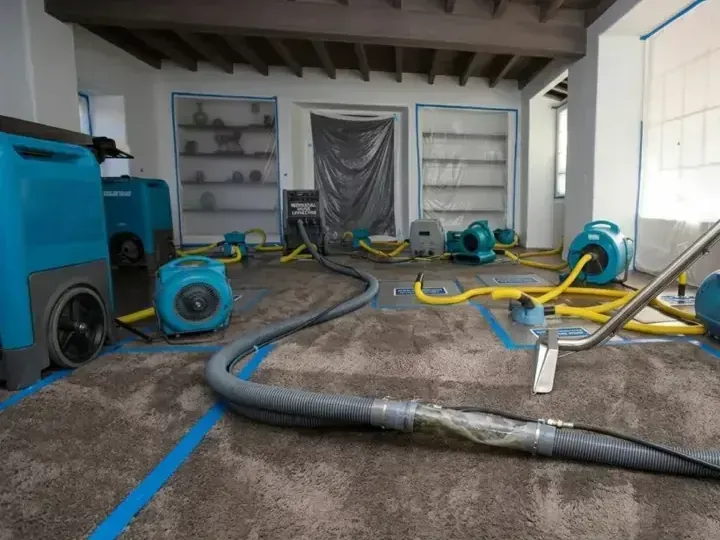
Equipment serves the retained structure while the technician tracks moisture by location, adjusting the setup and communicating any access changes with the property contact.
Hand over a clear status record
The contractor identifies completed drying and remaining repairs by area, allowing the manager and insurer to distinguish mitigation work from the conditions still affecting normal operations.
A business water loss can interrupt access even when the wet area appears small. Water near stock, computers, floor outlets or a customer route changes how the premises can operate. Along Maybank Highway, River Road and Bohicket Road, the restoration contractor starts with the building layout and the activities affected. The manager identifies essential access and sensitive contents; the technician establishes which areas are wet and which can remain outside the work boundary.
Defining the work zone and the source responsibility
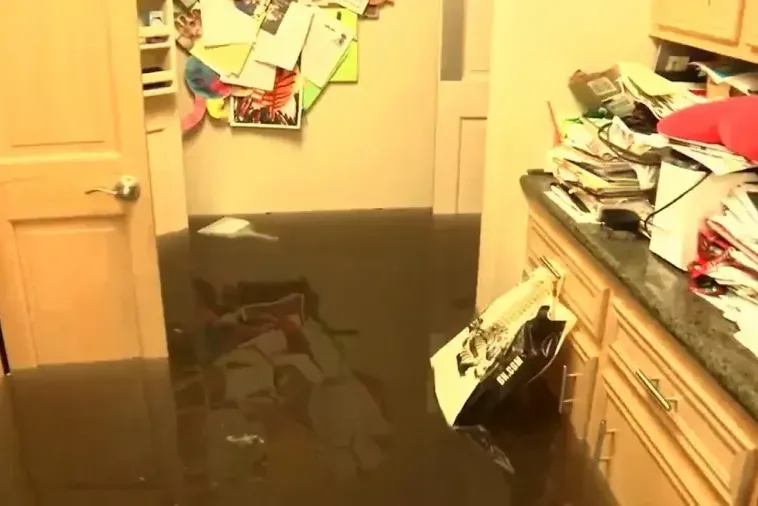
The first assessment identifies continuing water, electrical exposure and the source repair needed. A plumber, roofing contractor or utility may need to address the cause. The restoration team handles the agreed extraction, material work and drying. A landlord, tenant and property manager may each control different parts of the building, so the scope should clearly identify access and authorization.
The crew records wet rooms, shared walls and connected flooring before starting removal. In a multi-occupant building, the visible spill may cross beyond the first tenant area. The technician checks the adjoining assemblies and communicates the findings to the responsible property contact. A clean corridor should not become a debris route without protection and a defined plan.
- Identify the person authorized to approve the work scope.
- Keep customer and staff access outside unsafe wet areas.
- Separate damaged inventory from unaffected stock.
- Record equipment exposure before moving or testing devices.
- Keep an inventory of contacted stock and equipment separate from the building repair scope so each item receives the appropriate handling and assessment.
- Ask for a location-based progress update that identifies restricted work zones, usable access routes and the repairs still affecting normal business activity.
Protecting contents while extracting water
Stock, records and electrical equipment need assessment separate from structural drying. The crew documents what became wet and plans safe movement where appropriate. A computer or appliance should not be switched on simply to see whether it still works after water contact. The responsible specialist evaluates equipment before it returns to service.
Shoreline Farms and Stonoview sit within the wider island service setting, while the Stono River and regional coastal hazards make the water source important. An outdoor flood loss carries different contamination concerns from a recent indoor supply release. The restoration contractor records that distinction and sets containment before fans distribute air through occupied areas.
Business continuity starts with a safe boundary
A manager should not keep an affected room open solely because the floor has been mopped. Wet electrical equipment, unstable ceiling finishes and contaminated materials can remain after surface water disappears. The response team establishes restricted areas and keeps exits and essential routes clear. Staff should not cross containment to retrieve stock without agreement on safe access. Cords, hoses and drying equipment need protection from customer traffic. Public authorities and the appropriate trades determine any separate safety restrictions. Reopening decisions follow the actual building condition and remaining hazards, not a promise tied to a fixed cleanup deadline.
Phased drying and a usable claim record
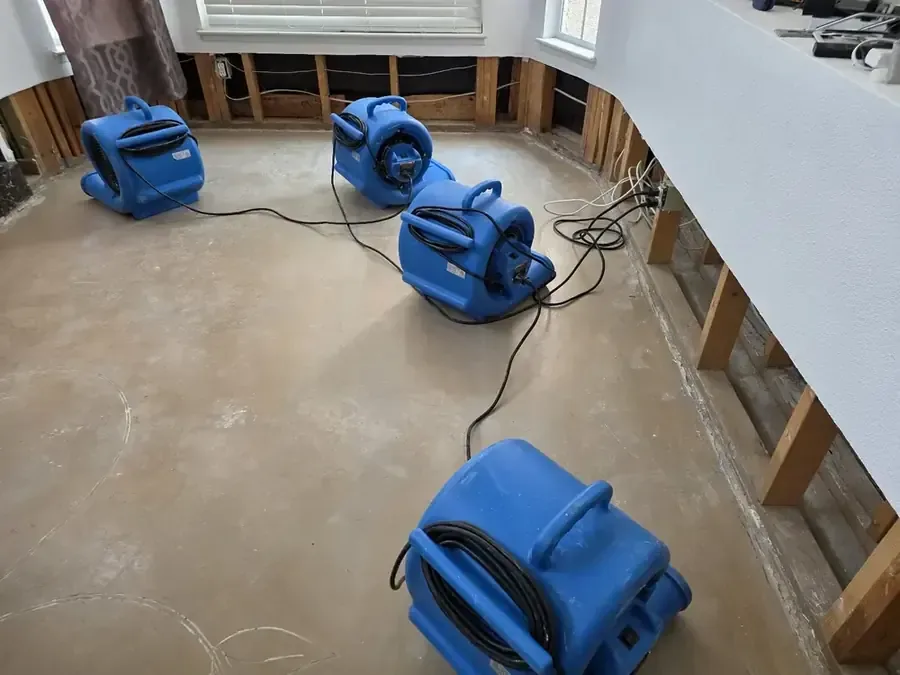
The drying plan divides the affected premises into practical zones where the building allows it. Equipment capacity, power availability and material load determine the setup. Noise, heat and access constraints need discussion, but changes to the drying environment should preserve the conditions needed for wet materials to release moisture. The technician records the effect of any operational adjustment.
Daily maps and readings show the status of each zone. Removal quantities, equipment logs and photos give the property contact a clear record of the mitigation work. The final handoff distinguishes completed drying from ceiling, flooring, equipment or source repairs that still limit normal use. The insurer determines coverage, including any business interruption provisions in the policy.
Ready.gov business preparedness information helps organizations plan for disruption. EPA water cleanup information describes contamination and material considerations relevant to water-affected buildings. The restoration scope should remain specific enough that the manager can track each work zone and coordinate the next trade without guessing what a general cleanup item includes.
Wet stock and building materials need separate decisions. The restoration team defines the work zone and records the water damage before the premises return to normal use. The crew coordinates access, extraction and measured drying with the property contact, documenting the work and the repairs that remain.
(888) 532-8921Arrange the commercial assessmentRelated water damage services in Johns Island
Commercial Water Damage questions in Johns Island, SC
Can a business stay open during drying?
That depends on safe access, contamination, electrical conditions and the layout. The contractor defines the work boundary with the property contact. An unaffected zone may remain usable, but no general promise applies to every water loss.
Who authorizes work in a leased space?
The tenant, landlord or property manager should identify the authorized contact and relevant responsibilities. The contractor records the agreed scope and access arrangements. Lease terms and building control can affect who approves each part of the work.
Does structural drying restore wet electronics?
Building drying and equipment assessment are separate tasks. Water-contact electronics need evaluation by the appropriate specialist before operation. The restoration crew documents exposure and coordinates safe handling rather than testing devices casually.
Why inspect the adjoining tenant area?
Water can travel beneath continuous flooring or through shared walls. The first visible spill may not show the full boundary. The technician checks connected assemblies and reports findings to the responsible property contact.
What should the claim documentation include?
Source findings, dated photos, affected material quantities, equipment logs and location-based drying readings explain the restoration scope. The insurer determines coverage and any business interruption terms. The contractor records the work without promising reimbursement.
Can a business loss be reported overnight?
24/7 dispatch supports urgent commercial water assessment. The property contact should describe access, active water, sensitive equipment and any safety restrictions. Those details help the team plan the first safe inspection and response.
Commercial water damage in Johns Island
Coverage includes ZIP 29455 and 29457, River Road, Maybank Highway, Bohicket Road, Shoreline Farms and Stonoview. The response team checks access and the water source before planning extraction, cleanup and structural drying for the affected property.
Nearby service areas include Folly Beach, Kiawah Island and Seabrook Island.
Give each affected business area a clear plan
The crew coordinates access, extraction and measured drying with the property contact, documenting the work and the repairs that remain.
(888) 532-8921Discuss the premises dry-out