Ceiling Leak Water Damage in Johns Island, SC
Ceiling leak water damage in Johns Island requires a safe check above the visible stain. The restoration crew traces moisture from upper rooms or roof entry, opens damaged layers carefully and dries the retained framing.
(888) 532-8921Assess the overhead water path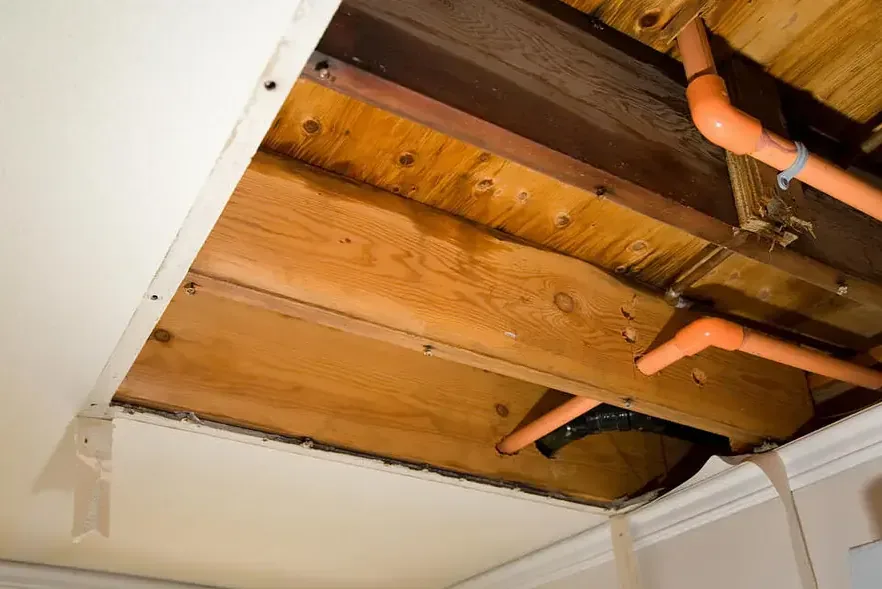
Why Johns Island water damage pros follow a measured plan
First steps for ceiling leak water damage
Keep the room below clear
The household stays away from bulging or cracked ceiling finishes; the response team evaluates overhead stability before anyone moves furniture or equipment underneath.
Stop the suspected fixture use
The owner pauses the fixture or appliance linked to the drip when safe; a plumber checks the source rather than relying on the stain location.
Report electrical contact
Wet lights, switches or wiring require qualified assessment; residents avoid touching the affected fittings and explain their locations before the crew enters.
Preserve the sequence of events
The discovery time and connection to rain or fixture use help direct inspection; the technician confirms the moisture path with readings and safe cavity access.
What does ceiling leak water damage cost in Johns Island, SC?
Ceiling leak water damage restoration in Johns Island commonly costs $1,000 to $5,500. The ceiling area, insulation, electrical access and moisture in connected wall cavities determine the drying scope; source and finish repairs may be separate.
| Work scope | Typical range |
|---|---|
Small ceiling section
| $1,000 to $2,000 |
Ceiling and wall migration
| $2,000 to $5,500 |
Several overhead areas
| $5,500 to $10,000 |
An inspection sets the written scope. Water category, affected area, material class and the delay before drying all change the cost. The Johns Island water damage cost calculator estimates a planning range.
How the ceiling leak water damage work progresses
Locate the water path
The technician compares the visible stain with the upper space, recording moisture and source observations before proposing the safest access points in the ceiling.
Open controlled work areas
The crew protects the room below and removes unsafe finishes, exposing wet joists and insulation while preserving photographs of the affected layers.
Dry the retained cavity
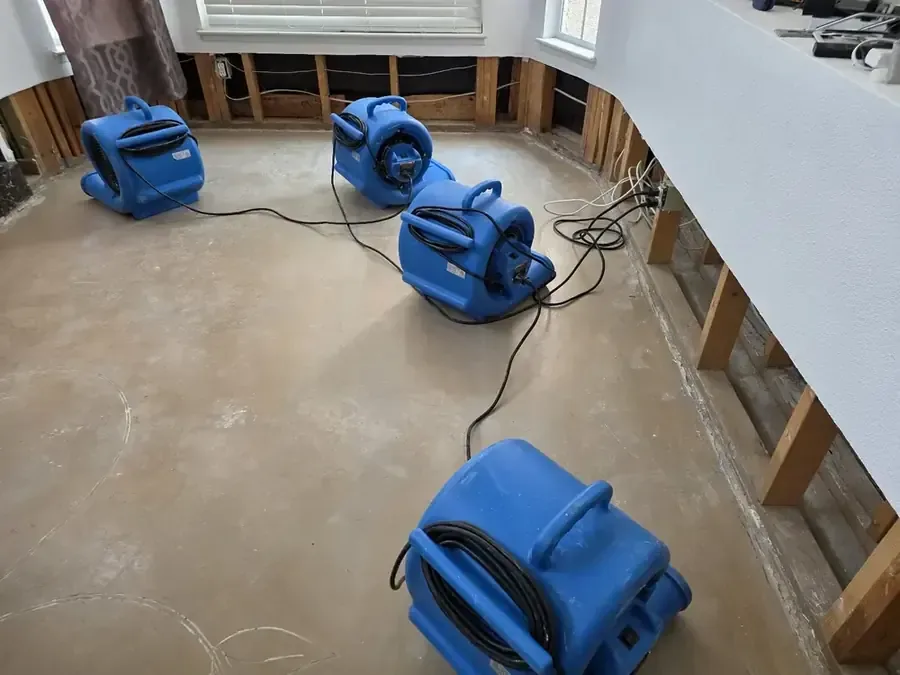
Dehumidifiers and directed airflow serve the opened assembly; readings at fixed locations show progress and identify areas that need further access or equipment changes.
Document readiness for closure
The final moisture record supports the ceiling repair handoff and identifies remaining source, electrical or finish work before normal room use resumes.
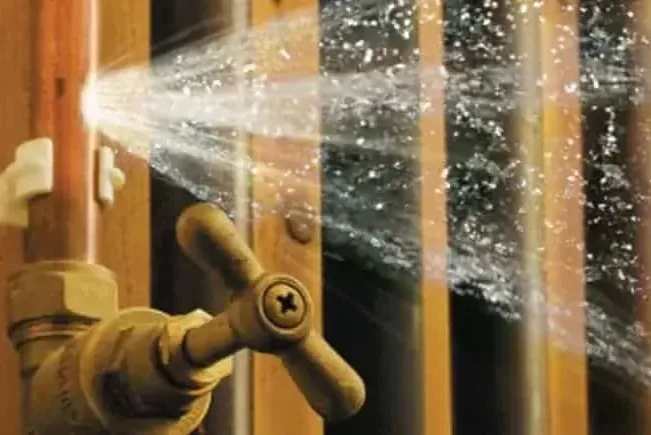
A ceiling can carry water sideways before a drip reaches the room below. The response team checks the space above the stain, the nearest plumbing and the surrounding finish. At homes along Maybank Highway, River Road and Bohicket Road, the inspection follows the building layout rather than a guessed source. A bathroom discharge, a supply pipe and rain from the roof create different material and cleanup decisions.
Tracing the ceiling stain back to its source
The technician asks when the stain appeared and whether it changes with fixture use or rainfall. That history helps direct inspection but does not replace it. A plumber evaluates suspected plumbing failures; a roofing contractor assesses roof entry. The restoration crew maps the resulting moisture in ceiling layers, joists and adjoining wall tops.
Thermal imaging can reveal temperature patterns that suggest where to test. Moisture readings then establish which materials are wet. Water may follow a pipe penetration or framing member and emerge well away from the failure. The crew photographs both the visible damage and any opened cavity so the full path remains understandable after damaged finishes are removed.
- Note whether drips follow a bath, appliance cycle or rain.
- Report sagging, cracking or a change around light fixtures.
- Keep the room below clear until overhead access is safe.
- Retain source repair findings with the drying documentation.
- Note any upper-room fixture activity before the drip appears so the plumber can compare the symptoms with direct tests of the suspected source.
- Ask the contractor to photograph the exposed joist bay and identify the moisture goals required before replacement ceiling board closes the opening.
Removing unsafe finishes and reaching the joist bay
Saturated ceiling board can lose strength. The contractor checks whether the finish can remain or needs controlled removal. Insulation, plaster and layered assemblies may hold moisture beyond the visible stain. The opening plan should provide access to retained framing without leaving wet layers sealed above a new patch.
In Stonoview or Shoreline Farms, the ceiling inspection must account for the actual upper-floor or attic arrangement. The crew identifies the cavity layout and pipe material during the inspection. Work containment protects furniture and unaffected rooms while the team removes damaged finishes, checks electrical exposure and sets the drying equipment.
Leave a swollen ceiling undisturbed
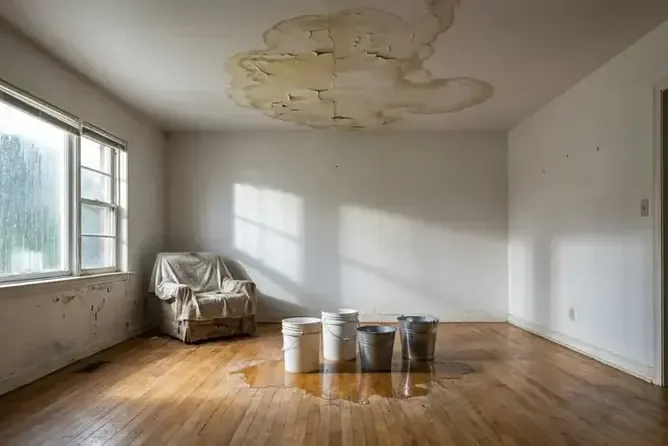
Residents should not stand under a bulge, push on wet board or puncture the finish to release water. The cavity can contain electrical wiring and unstable material. The response team establishes a clear area, checks access and coordinates qualified electrical help when needed. Furniture moves only along a safe route. A household can photograph the stain from outside the hazard area and report any change in size or sound. Wet lights and switches should remain untouched until assessed. Immediate collapse risk or electrical danger requires emergency assistance before cleanup work, ceiling openings or efforts to save belongings.
Drying the ceiling before the patch goes up
The drying team directs airflow into accessible wet cavities and controls room humidity with dehumidification. Readings on the retained joists and nearby dry material define the goal. The technician revisits the wet locations and adjusts the setup if the cavity remains damp or access limits evaporation. A fan below a painted ceiling cannot reliably dry every layer above it.
The contractor documents the water category, removed material quantities and equipment use. A ceiling affected by wastewater requires different handling from a recent clean supply release. The insurer reviews cause and policy terms; the drying report describes the work rather than promising payment.
Ready.gov water safety information reinforces electrical and entry precautions. EPA cleanup information for water-affected homes describes material considerations. Once the readings support closure, the repair team can plan board replacement and finishing. Source repair should already be complete so a new ceiling does not conceal a continuing leak.
An overhead stain can hide water across a larger cavity. The restoration technician checks the layers above before a patch covers the evidence. The response team plans controlled access, checks the retained joists and documents the moisture conditions before the finish work begins.
(888) 532-8921Arrange ceiling moisture checksRelated water damage services in Johns Island
Ceiling Leak Water Damage questions in Johns Island, SC
Is every ceiling leak a roof problem?
No. Plumbing, an upper bathroom, an appliance or roof entry can each wet a ceiling. Timing helps the investigation, but inspection and moisture readings establish the path before the contractor chooses the cleanup method.
Should the household make a hole in a bulge?
A swollen ceiling can contain unstable board and wet wiring. The area should stay clear until assessed. Controlled opening requires a safe work zone and a plan for the water and materials above it.
Can ceiling board remain if it dries?
Material strength, contamination and assembly access determine whether it can remain. Swollen, damaged or unsuitable board may need removal. The contractor explains the finding and records the condition before opening or discarding material.
Why test the wall below the ceiling?
Water can follow a partition down into wall cavities and baseboards. The visible ceiling stain may not show the complete spread. Testing connected surfaces helps the crew avoid leaving a wet layer behind a finished repair.
When is painting appropriate?
Painting belongs after source repair, necessary material work and verified drying. A stain-blocking finish does not remove retained moisture. The repair team uses the drying record to plan the replacement board and surface preparation.
Can a ceiling loss be assessed at night?
24/7 dispatch supports urgent water damage assessment. The household should describe sagging, active dripping and wet electrical fixtures. Those conditions determine the safe next step and the access needed for the work.
Ceiling leak water damage in Johns Island
Coverage includes ZIP 29455 and 29457, River Road, Maybank Highway, Bohicket Road, Shoreline Farms and Stonoview. The response team checks access and the water source before planning extraction, cleanup and structural drying for the affected property.
Nearby service areas include Folly Beach, Kiawah Island and Seabrook Island.
Make the ceiling repair follow the drying record
The response team plans controlled access, checks the retained joists and documents the moisture conditions before the finish work begins.
(888) 532-8921Discuss the wet ceiling assembly