Roof Leak Water Damage in Kiawah Island, SC
A ceiling stain after rain can be the end of a longer water path. Roof repair and interior restoration need coordination so wet insulation, framing, and room finishes receive attention before the ceiling is closed.
(888) 532-8921Discuss rain damage above the ceiling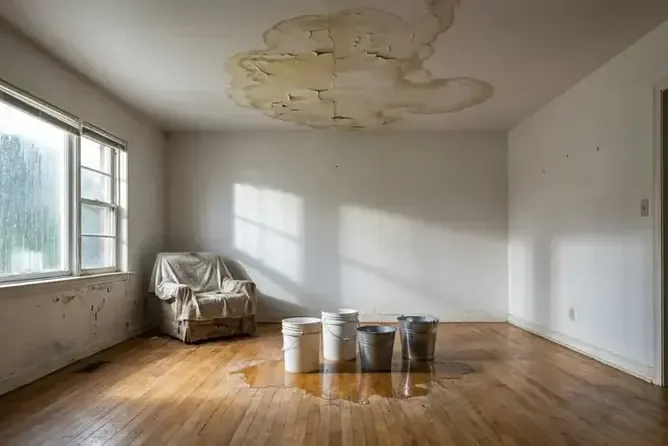
Why Kiawah Island water damage pros follow a measured plan
First steps for roof leak water damage
Note the weather connection
The property contact should record whether dripping began during rain and which surfaces changed afterward. That history helps coordinate the roof assessment with the interior moisture inspection.
Keep occupants below clear
A sagging ceiling or wet fixture needs a restricted area. No one should stand beneath it to move a bucket or test the firmness of the finish.
Arrange appropriate roof attention
The exterior opening needs professional repair or protection. Interior cleanup planning should account for that status so new rainfall does not repeatedly soak the same materials during drying.
Provide safe attic access details
The owner can identify available access points without entering a wet or unstable attic. The inspection will determine whether the space can be safely reached and evaluated.
What does roof leak water damage cost in Kiawah Island, SC?
Roof leak restoration in Kiawah Island varies with attic access, insulation condition, and how far rainwater traveled indoors. The planning ranges address interior damage; roof repair, replacement materials, and any additional concealed work should be identified in the proposal.
| Work scope | Typical range |
|---|---|
Localized ceiling intrusion
| $1,200 to $2,500 |
Attic and room damage
| $2,500 to $6,000 |
Broad interior migration
| $6,000 to $12,000 |
An inspection sets the written scope. Water category, affected area, material class and the delay before drying all change the cost. The water damage cost calculator estimates a planning range.
How the roof leak water damage work progresses
Match the stain to the route
The assessment compares ceiling damage, accessible upper surfaces, and roof findings. Marked moisture locations connect the interior scope with the observed water path.
Evaluate insulation and ceiling stability
Wet overhead materials are assessed before access openings or equipment placement. The scope explains what must be removed and which framing or finishes can remain for drying.
Dry under controlled entry conditions
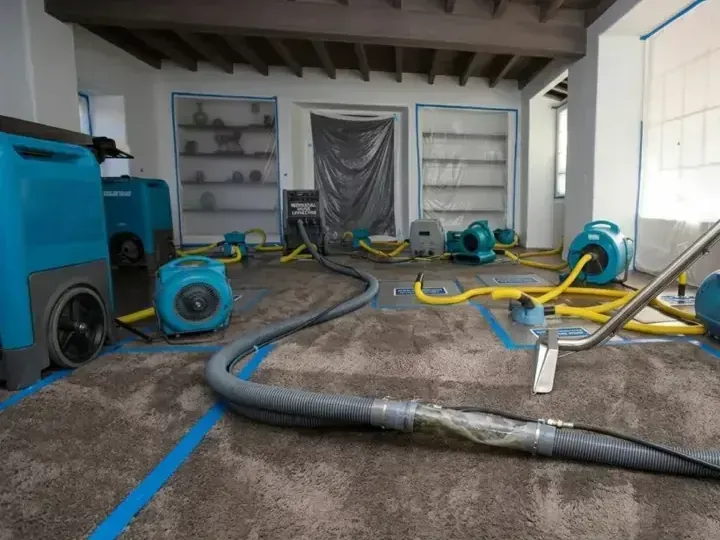
Once the exterior leak is addressed, equipment targets the retained wet assemblies. Readings show whether concealed connections are improving or require a change in access and airflow.
Release the interior for finishes
The final assessment records moisture concerns and roof follow-up. Insulation, ceiling work, and painting can then be coordinated around the documented condition of the assembly.
The stain on a bedroom ceiling may sit away from the roof opening that started it. Water can track along an upper surface, collect against framing, and soak insulation before entering the room. Roof leak water damage in Kiawah Island needs an interior moisture assessment alongside the roof work. Closing the visible stain without examining that route can leave wet material above an otherwise finished room.
Use the rain history to direct the inspection
October 2015: The island experienced approximately 16 to 20 inches of rainfall over four days, with widespread flooding. That history illustrates how prolonged rainfall can demand attention to more than the visible room surface. During a current leak, the owner should record when dripping began, whether it changed with the rain, and which ceiling or wall areas became wet.
Roof access belongs to the appropriate trade professional. The restoration inspection addresses the interior consequences, including accessible attic areas, insulation, ceiling finishes, and nearby walls. These tasks should share information about the water route while remaining clear about who is controlling the exterior opening and who is assessing absorbed moisture inside.
- Record the first visible stain and later changes in shape.
- Check accessible insulation above the affected ceiling section.
- Look for water tracking along framing toward another room.
- Inspect wall junctions beneath the upper water entry path.
- Document any roof work already completed before interior assessment.
A cottage's roof and room need individual attention
Sparrow Pond and Night Heron include freestanding cottages on pilings in the town's account. West Beach includes older homes with lower first-floor living spaces. Whatever the building arrangement, the upper assembly needs inspection on its own terms: safe access, actual insulation condition, and the connection between the wet roof area and the rooms below.
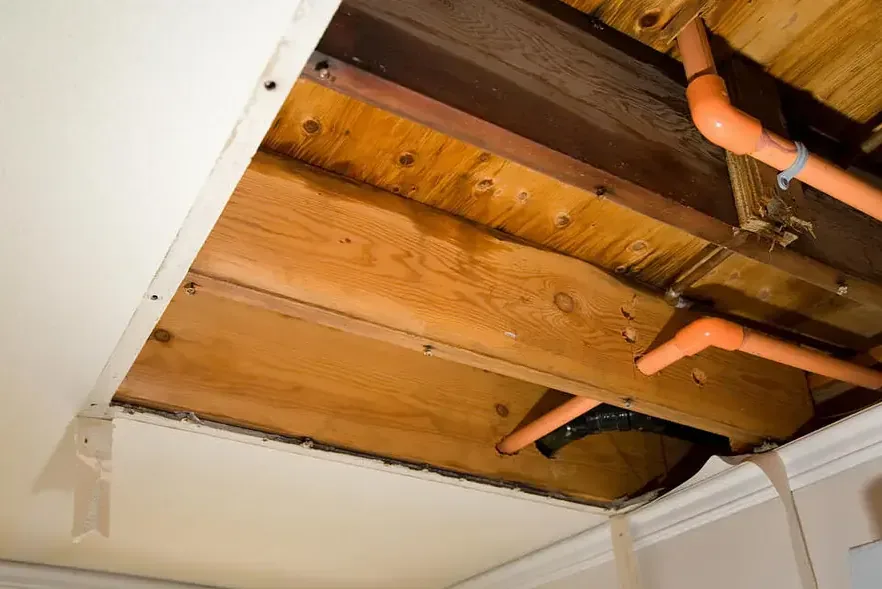
Wet insulation can obstruct airflow to framing and hold water against the ceiling finish. The assessment should describe whether it can remain or requires removal. An intact-looking painted surface may conceal damage behind it, while some exposed framing may be suitable for drying. The decisions should be specific enough that the owner understands the purpose of each opening.
Keep clear of wet overhead materials
Occupants should not climb onto a wet roof, enter an unstable attic, or poke a bulging ceiling to release trapped water. Ceiling material can fall unexpectedly, and wet insulation can add weight above the room. A drip near a light fitting also brings electrical concerns that require qualified assessment. The room should remain restricted where sagging or active electrical exposure is present. Temporary exterior protection should be arranged with the appropriate professional, while interior belongings are handled only when the area below has been judged safe to enter and work in.
Coordinate drying with a weather-resistant repair
The roof repair must prevent repeated entry so interior drying has a stable starting point. Where water has already crossed the ceiling, overhead damage cleanup can address the room-facing assembly. The plan should connect these tasks rather than leaving a gap between the repaired exterior and the damp material still inside.
Drying checks need to reach the affected framing and retained finishes, not just the air in the room. If insulation or a sealed cavity limits access, the plan should explain how the wet surface will be reached. Progress records help determine when replacement insulation, ceiling finishes, or paint can follow. The owner receives a clearer handoff when remaining roof concerns and remaining interior work are listed separately.
Photographs of the exposed assembly can also help explain why the interior opening extends beyond the original stain. Water follows construction joints, and the useful boundary is the measured wet area rather than the outline left on the paint.
Rain stains above a room deserve attention to the material behind them. The property contact can describe the affected ceiling, the timing of the leak, and any exterior repair already arranged. Safe access and a clear roof repair status help organize the inspection without closing damp layers behind a new ceiling.
(888) 532-8921Connect roof repair with interior dryingRelated water damage services in Kiawah Island
Roof Leak Water Damage questions in Kiawah Island, SC
Does the ceiling stain sit directly below the roof opening?
Water may travel along framing or other surfaces before it becomes visible. The inspection follows the moisture path and coordinates with the roof findings instead of selecting an opening from the stain alone.
Can a roof repair eliminate the need for interior work?
It stops further entry when effective, but absorbed water can remain inside insulation and finishes. The interior assessment determines whether those materials need removal, drying, or continued observation before repairs are closed.
Should an owner enter the attic to photograph damage?
Only an assessed safe space should be entered. Wet framing, hidden openings, electrical hazards, and weak ceiling surfaces can make attic access dangerous, so useful observations can begin from the room below.
Will wet insulation always be left to dry?
The material's condition, contamination, and accessibility determine whether retention is appropriate. Insulation that blocks drying or cannot be recovered may need removal so the underlying assembly can be treated and checked.
Why can the wall beside the stain also need testing?
Rainwater can run along the ceiling junction and enter the wall below. Checking that connection helps define the actual wet boundary before a repaired ceiling conceals moisture in an adjoining finish.
When is repainting the stained area appropriate?
Painting follows source correction and a moisture assessment of the affected surface and assembly. Covering the stain while material remains wet can hide continuing problems and interfere with a clear drying evaluation.
Roof leak water damage in Kiawah Island
Roof leak damage assessments can serve cottages in Sparrow Pond and Night Heron as well as West Beach homes. The property representative should provide safe interior access and any available details about roof repair arrangements.
The same service nearby: roof leak water damage in Johns Island, Folly Beach, Seabrook Island.
Water damage restoration in Kiawah Island · every town covered
Discuss wet insulation and room finishes
Safe access and a clear roof repair status help organize the inspection without closing damp layers behind a new ceiling.
(888) 532-8921Plan interior rain damage recovery