Roof Leak Water Damage in Seabrook Island, SC
A roof leak can travel along framing before appearing in a room. Seabrook Island interior cleanup traces that route, coordinates weather protection and evaluates wet insulation and ceiling materials before cosmetic repairs cover the damage.
(888) 532-8921Trace the rainwater inside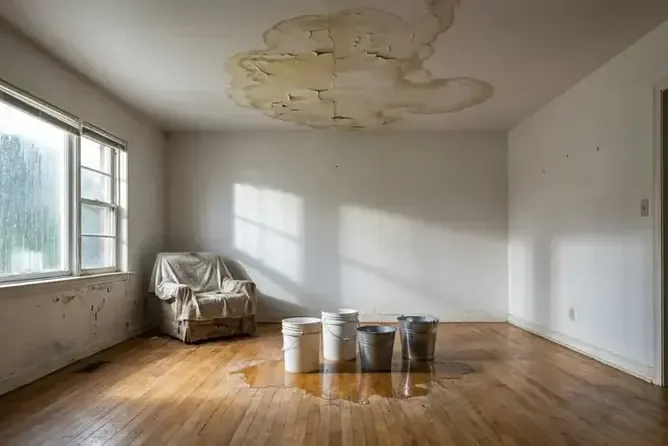
Why Seabrook Island water damage pros follow a measured plan
First steps for roof leak water damage
Describe the pattern of dripping
Record which room is affected and whether the leak changes with rainfall. Keep photographs of the ceiling and any exterior repair information available for the assessment.
Protect the area beneath damage
Move occupants away from sagging or shedding ceiling material. Belongings should only be relocated when doing so does not require entering the unstable area beneath the leak.
Coordinate exterior and interior access
A roofing professional and restoration assessment may need different entry points. Arrange authorization for attic or shared building access before the interior scope is finalized.
Keep repairs visible until assessed
Avoid repainting the stain or closing an opening while retained materials remain under evaluation. The drying plan should account for insulation, framing and connected wet areas.
What does roof leak water damage cost in Seabrook Island, SC?
Roof leak restoration in Seabrook Island has planning ranges of $1,200 to $12,000. Wet insulation, ceiling damage and migration into adjoining rooms determine the interior cleanup scope, while roof repairs and replacement finishes should be described separately.
| Work scope | Typical range |
|---|---|
Localized ceiling intrusion
| $1,200 to $2,500 |
Attic and room damage
| $2,500 to $6,000 |
Broad interior migration
| $6,000 to $12,000 |
An inspection sets the written scope. Water category, affected area, material class and the delay before drying all change the cost. The water damage cost calculator estimates a planning range.
How the roof leak water damage work progresses
Connect the ceiling mark to its source
Assessment follows the interior water route and coordinates with the roof repair investigation, recording the spaces that need access before a removal plan is agreed.
Open only the affected work area
Damaged finishes and unsuitable insulation are removed as needed, with protection beneath overhead work and a clear description of the framing and other materials that will remain.
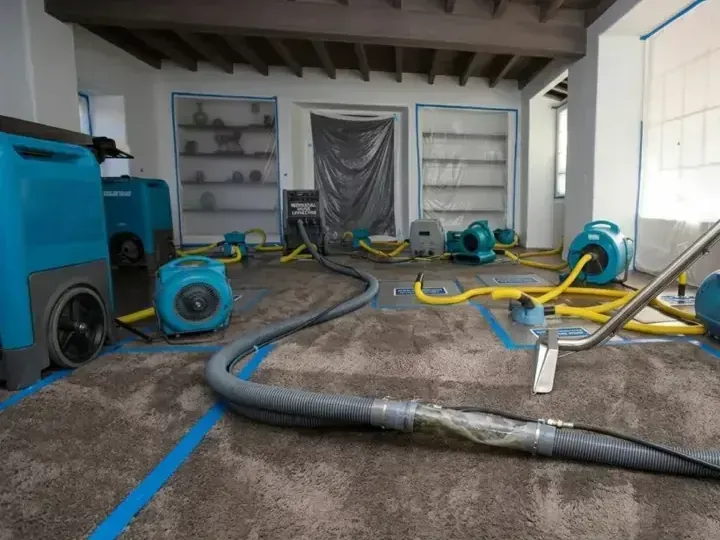
Dry the exposed route
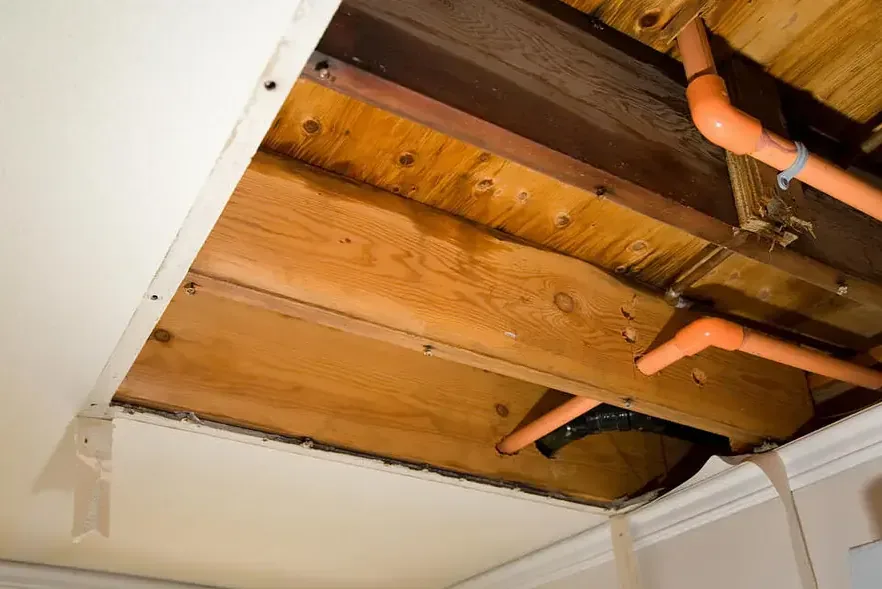
Equipment and monitoring address the wet assembly above the room, including connected pockets where water traveled before the visible drip appeared on the ceiling surface below.
Confirm the closure conditions
The handoff records moisture progress and source-repair status, allowing insulation and finish replacement to follow the actual condition of the retained materials instead of the stain's appearance.
The wettest spot on a ceiling is not always directly beneath the roof opening. Water can run along framing or an underlayment surface before it drops into insulation and reaches the room. Roof leak restoration in Seabrook Island therefore starts with a route, not just a stain. The exterior defect needs a repair plan, while the interior assessment establishes which materials became wet and whether the ceiling remains stable.
Use the building's current condition to plan access
The town's Housing Element identifies most housing as built between 1980 and 1999. For a particular home, the useful inspection details are the present roof condition, any later alterations and the materials actually found in the attic. Maintenance records and recent repair photographs can help the roofing professional investigate the entry point while restoration assessment follows its interior effects.
Detached houses and multi-floor villas create different access arrangements. A villa owner may need a property representative to coordinate entry into shared roof or attic areas. An inspection limited to the occupied room can miss wet insulation above it. The scope should identify which spaces were available and what further access is needed before deciding how much ceiling material can stay.
- Note whether the drip changes during rainfall.
- Photograph the stain before paint or patching alters it.
- Identify insulation that lies along the water route.
- Check framing connections beyond the first visible opening.
- Keep roofing work and interior restoration separately described.
Coastal exposure calls for a property-specific leak trace
The Atlantic Ocean borders the island to the south, with the North Edisto River to the west and Bohicket Creek to the north. Heavy rain is among the town's flooding exposures. When water appears overhead, the inspection should distinguish rain entering through the roof assembly from plumbing above the room. The timing of a drip is useful information, but access and testing establish the work needed.
Interior removal may expose saturated insulation, weakened wallboard or a wet framing pocket. Suitable retained materials then need a drying setup that reaches those surfaces. A room fan aimed at a ceiling stain may leave the upper side of the assembly untouched. Ceiling leak cleanup addresses the overhead interior where water has spread beyond the initial roof entry.
Avoid roofs and loaded ceilings during a leak
Occupants should not climb onto a wet roof or enter an attic without safe access. Ceiling finishes can hold water and lose strength, and wet insulation can hide insecure footing or electrical components. Keep people and belongings away from a bulging or actively shedding section. Puncturing the ceiling can release water and debris unpredictably. A qualified assessment should establish stability, electrical conditions and a controlled opening plan before anyone works beneath the damaged area.
Stop repeated wetting before replacing the finish
Roof protection and repair need coordination with interior drying. If another rainfall can wet the same cavity, the completion plan must account for that exposure. The repair record should identify the exterior work performed, while moisture records describe the state of retained framing and nearby materials. Those records answer different questions and should both be available before closure.
Insulation that cannot remain should be removed through a controlled work area, leaving the retained assembly accessible. Drying readings need to follow the actual wet path, including points beyond the stain where water collected. The building drying service provides the next stage when hidden moisture remains after the leak has been stopped.
Painting a ceiling can hide a useful damage boundary without changing the material condition above it. An owner comparing proposals should look for the inspection area, removal limits, retained materials and the handoff to finish repair. Clear scope details help keep a roof repair from being mistaken for completion of all interior water damage work.
A ceiling stain after rain needs attention above the painted surface. Describe the dripping pattern, affected room and current roof-repair status so the interior assessment can follow the water route. The work plan can connect ceiling access and drying with exterior source repair before new finishes cover the affected construction again.
(888) 532-8921Assess the roof leak's interior pathRelated water damage services in Seabrook Island
Roof Leak Water Damage questions in Seabrook Island, SC
Can the roof leak start away from the ceiling stain?
Water can travel along components before dropping into the room. The inspection should follow that route through accessible attic materials. A stain helps locate interior damage, while the exterior entry point requires its own roofing investigation.
Does an older house need a whole new roof?
The current roof condition and roofing assessment determine the exterior repair. Interior restoration focuses on the materials that became wet. The home's age alone should not decide the extent of roof work or ceiling removal.
Can wet insulation remain above the room?
Its material, condition and access for drying need evaluation. Saturated or damaged insulation can require removal so retained construction is accessible. The scope should identify what stays above the ceiling and how its moisture will be addressed.
Is a stopped drip enough to begin painting?
A drip can stop while the assembly above remains wet. Roofing repair status and material moisture need evaluation before finish work. Painting over the mark can conceal the damage boundary without resolving moisture in concealed layers.
Who arranges entry to shared attic space?
An owner or authorized property representative can coordinate access with the relevant association or manager. The inspection scope should identify any shared space needed to follow the water route beyond the interior of the affected unit.
Should a bucket be placed beneath the leak?
Only when the location is safe and outside unstable material or electrical hazards. Occupants should not stand beneath a sagging ceiling to collect water. The room's safety conditions take priority over trying to contain the drip.
Roof leak water damage in Seabrook Island
Owners of detached homes, townhomes and villas can arrange an interior assessment after roof leakage. Provide the stained room, roof-repair status and any restrictions on attic access or permission to inspect shared building areas.
The same service nearby: roof leak water damage in Johns Island, Kiawah Island, Folly Beach.
Water damage restoration in Seabrook Island · every town covered
Discuss wet attic materials
The work plan can connect ceiling access and drying with exterior source repair before new finishes cover the affected construction again.
(888) 532-8921Arrange interior rainwater cleanup