Ceiling Leak Water Damage in Seabrook Island, SC
A damp ceiling can connect one room's damage to a leak on another floor. Seabrook Island assessment starts with overhead stability, access above the stain and the wet construction between the two spaces.
(888) 532-8921Assess the wet ceiling safely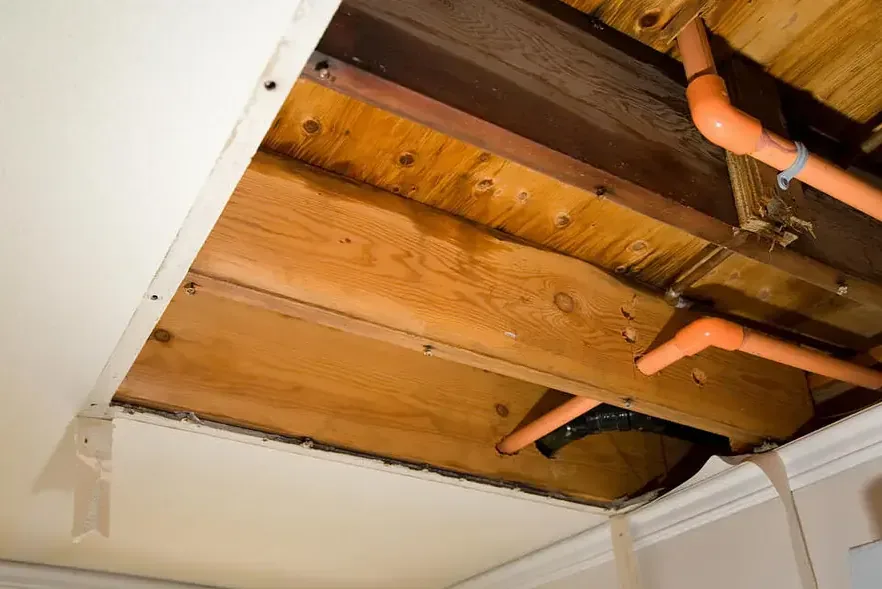
Why Seabrook Island water damage pros follow a measured plan
First steps for ceiling leak water damage
Clear the space beneath instability
Keep people away from sagging, cracked or shedding ceiling sections. Do not move furnishings if the route requires standing directly under material that may release unexpectedly.
Identify the upper space
Describe the room, fixture or roof area above the stain. Provide the observed timing of drips without repeatedly operating a fixture that may be causing the leak.
Arrange permission for inspection
An owner, manager or authorized contact should coordinate access above the affected room, including any adjoining unit needed to trace water through the overhead assembly safely.
Preserve access for drying
Delay patches and repainting until the source and retained construction have been assessed. The drying plan may require an opening larger than the visible stain on the ceiling.
What does ceiling leak water damage cost in Seabrook Island, SC?
Ceiling leak cleanup in Seabrook Island has planning ranges of $1,000 to $10,000. Overhead access, weakened finishes and migration into adjoining wall or ceiling areas determine the restoration scope before source repairs and new finish work are priced.
| Work scope | Typical range |
|---|---|
Small ceiling section
| $1,000 to $2,000 |
Ceiling and wall migration
| $2,000 to $5,500 |
Several overhead areas
| $5,500 to $10,000 |
An inspection sets the written scope. Water category, affected area, material class and the delay before drying all change the cost. The water damage cost calculator estimates a planning range.
How the ceiling leak water damage work progresses
Assess the overhead hazard
The visible ceiling condition and nearby electrical fixtures establish restrictions before inspection continues above the room or any overhead material is deliberately disturbed.
Trace the source across floors
Upper and lower observations connect the release to affected construction. Source repair and restoration access are coordinated so the ceiling opening supports the actual treatment needs.
Remove unstable finishes and dry framing
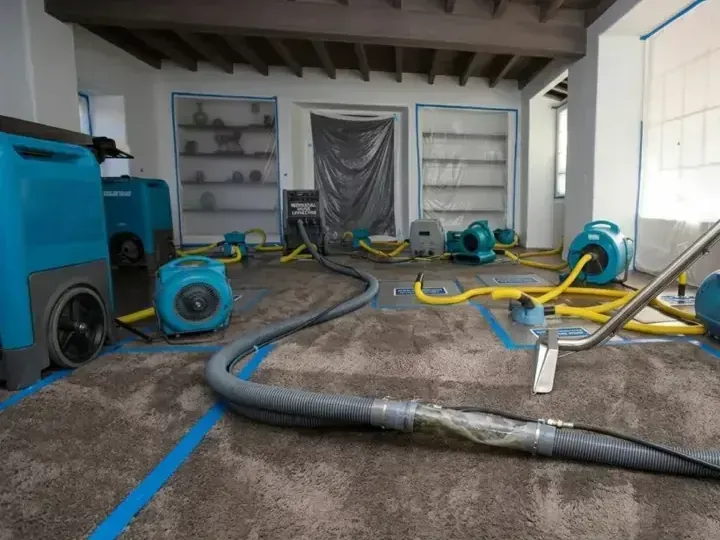
Controlled removal exposes suitable retained components, while equipment placement and readings address the overhead cavity and any connected wet walls rather than only the occupied room below.
Record readiness for ceiling repair
The final handoff identifies source status, removed material and moisture results, giving the repair contractor a clear account of the assembly before replacement wallboard or finishing work begins.
A ceiling ring beneath an upstairs bathroom raises a different set of questions from a stain under a roof. The source may be a supply connection, a drain or water escaping during fixture use. Ceiling leak cleanup in Seabrook Island begins by keeping the occupied room safe and arranging access to the space above. The inspection then connects the source with the overhead materials that became wet before the stain appeared.
Inspect both sides of the overhead assembly
The island's townhomes have multi-floor units with shared walls, and villa communities include residential units on more than one floor. That layout can require coordination with an adjoining occupant or property manager. A ceiling opening may reveal the underside of the damage, while an upper-room inspection identifies the fixture or floor area where water entered. Both views can be necessary to establish the removal and drying scope.
Seabrook Island Utility Commission provides water and wastewater services throughout the town. For an interior leak, the assessment should identify whether the observed release came from a supply pipe, fixture or drain. That distinction affects repair coordination and material handling. A photograph of the lower stain alone cannot replace an inspection of the upper source and the layers between rooms.
- Record the stain's position relative to the room above.
- Note whether dripping occurs during fixture use.
- Identify sagging, detached seams or falling ceiling pieces.
- Keep furniture outside the planned overhead work zone.
- Arrange permission before inspecting another unit or shared space.
Plan the opening around the wet materials
The Lake House, Beach Club and Equestrian Center are recognizable island places for an access conversation. At the property itself, workers need the specific entrance and affected floor. An owner who is away can arrange a representative to provide those details and examine photographs. Clear authorization matters when overhead inspection shows that water has traveled into construction outside the initially reported room.
A controlled opening may be needed to remove weakened wallboard, inspect wet joists or reach insulation. The opening should follow the condition of the material and the access needed for treatment. A small hole beneath a drip may leave adjacent wet layers inaccessible, while indiscriminate removal can disturb sound finishes. The proposed scope should explain the boundary before work begins.
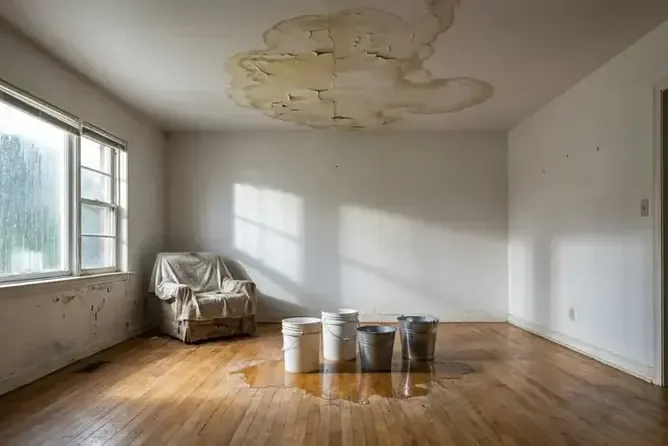
Never stand beneath a bulging ceiling to drain it
Ceiling material can release suddenly when loaded with water. Occupants should not puncture, pull or press on a sagging section, and a ladder should not be placed under unstable material to inspect it. Water near ceiling lights or other electrical fixtures requires qualified evaluation before contact. Keep the room below restricted while stability and safe opening methods are assessed. Moving a valuable item is not worth passing beneath a section that is already separating from its supports.
Make closure a material decision
When the source has been controlled, retained joists and other suitable components can be dried through planned access. Monitoring should include the wet cavity rather than relying on how the room feels. If water reached a lower wall or adjoining ceiling bay, those areas belong in the moisture map. Structural drying follows the assembly until the retained materials are ready for the next repair step.
The completion record should connect source repair, removed finishes and material readings. An owner can then see why a section was opened, what remains above it and which repairs are still needed. If the investigation traces the leak to weather entry, roof leak restoration addresses that interior water route alongside the roofing repair. Closing the ceiling should follow that coordinated assessment rather than merely the disappearance of dripping.
An overhead leak needs a safe view of the construction above the stain. Describe the affected room, any sagging and the space overhead so assessment priorities can be established. A clear plan can coordinate source repair, controlled ceiling access and drying before the room receives new finishes or returns to normal use.
(888) 532-8921Discuss the ceiling's conditionRelated water damage services in Seabrook Island
Ceiling Leak Water Damage questions in Seabrook Island, SC
Can a ceiling stain come from a drain?
Yes. Water above the room may come from a drain, supply connection or fixture, as well as weather entry. The source investigation needs access and the observed timing of leakage to establish the appropriate repair and cleanup approach.
Should the stain be opened immediately?
Overhead stability and electrical conditions should be assessed before disturbing the ceiling. A controlled opening can help reach wet materials, but occupants should not cut or puncture a loaded section while standing beneath it to release water.
Why might the room above need inspection?
The upper surface can reveal the source and additional wet layers that are not visible through the ceiling below. Connecting both sides of the assembly helps determine access needs, repair coordination and the actual extent of drying.
Can a neighbor's unit require access?
Shared or multi-floor construction can carry water beyond the reported room. If inspection requires another unit, an authorized property representative should coordinate permission. The work record should identify areas inspected and any additional access still needed.
Does a firm ceiling surface mean it is dry?
The exposed face may feel firm while insulation or framing above remains wet. Measurements and cavity inspection provide a better basis for deciding what can stay and when replacement finishes can close the overhead assembly again.
What if the leak turns out to be from the roof?
The interior work follows the same observed wet materials, while the source repair shifts to the roofing scope. The owner should have a coordinated plan for exterior protection, retained material drying and the later ceiling finish repair.
Ceiling leak water damage in Seabrook Island
Multi-floor villas, townhomes and detached homes need access above and below an overhead leak when the water path requires it. Identify the affected room and an authorized contact for any adjoining or upper space.
The same service nearby: ceiling leak water damage in Johns Island, Kiawah Island, Folly Beach.
Water damage restoration in Seabrook Island · every town covered
Arrange access above the stain
A clear plan can coordinate source repair, controlled ceiling access and drying before the room receives new finishes or returns to normal use.
(888) 532-8921Plan overhead water damage cleanup