Ceiling Leak Water Damage in Kiawah Island, SC
A dripping ceiling gives a location for the damage, not an explanation of its source. The first priorities are keeping the room safe, tracing water above the finish, and arranging access to the affected assembly.
(888) 532-8921Discuss the ceiling drip safely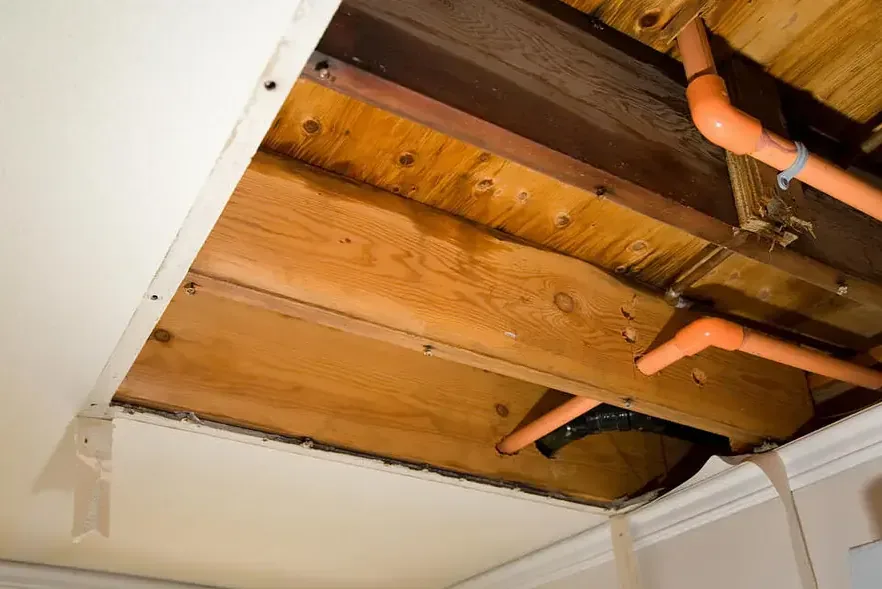
Why Kiawah Island water damage pros follow a measured plan
First steps for ceiling leak water damage
Stop using the space below
People should stay clear of a bowed or actively leaking ceiling, particularly around light fittings. The affected room needs assessment before furniture handling or overhead work begins.
Report the pattern of dripping
The owner can note whether the drip follows rain or fixture use and describe its first location. These observations help direct inspection without deciding the cause prematurely.
Coordinate access beyond the room
A property manager should arrange entry to adjoining or upper spaces if required. The source investigation needs permission to follow the water through the actual building connections.
Keep records of visible changes
Safe photographs of stains, sagging, and affected contents can document the sequence. No one should climb beneath the wet area or touch damaged fixtures to obtain a closer image.
What does ceiling leak water damage cost in Kiawah Island, SC?
Ceiling leak restoration in Kiawah Island depends on overhead access, retained water, and moisture spreading into walls. The inspection should describe controlled removal and drying separately from source repair, electrical work, and the replacement ceiling finishes planned afterward.
| Work scope | Typical range |
|---|---|
Small ceiling section
| $1,000 to $2,000 |
Ceiling and wall migration
| $2,000 to $5,500 |
Several overhead areas
| $5,500 to $10,000 |
An inspection sets the written scope. Water category, affected area, material class and the delay before drying all change the cost. The water damage cost calculator estimates a planning range.
How the ceiling leak water damage work progresses
Assess overhead and electrical hazards
Sagging finishes, retained water, and wet fixtures determine the restricted area. The inspection establishes safe working conditions before any opening.
Identify the source through access
The inspection follows the suspected route with the repair professional. The responsible contact arranges entry when the source lies outside the visibly damaged room.
Expose and dry the wet assembly
Controlled removal reaches unstable or inaccessible layers. Retained joists, ceiling connections, and wall edges receive a drying plan based on their condition and the type of water exposure.
Coordinate closure with remaining work
The moisture record and source status are checked before replacement. The handoff identifies electrical or other repairs still needed so the ceiling is not closed around unresolved conditions.
The first ceiling drip can arrive through a joint, a fixture, or the edge of an old stain. Ceiling leak water damage in Kiawah Island requires a source investigation before the room receives cosmetic repair. A roof opening, supply leak, or drain problem can leave similar marks below. Identifying the source changes both the cleaning requirements and the professional needed to prevent another release into the same ceiling.
Access above the stain is a practical priority
The town's housing includes houses, villas, condominiums, and cottages used as vacation rentals. Parkside, Fairway Oaks, and Turtle Cove are identified as multifamily villa regimes. Where a ceiling investigation requires entry to another space, the owner or manager should arrange that access early. The inspection can then follow actual plumbing and construction instead of stopping at the room where water became visible.
Useful observations include the first drip location, recent fixture use, the timing of rainfall, and any water visible in adjoining spaces. These details help direct testing, but the final source finding should come from the inspection. A ceiling stain should not automatically be assigned to an upstairs bathroom simply because that arrangement seems plausible from below.
- Record where the ceiling first changed color or shape.
- Identify wet fixtures without touching switches or fittings.
- Arrange access to rooms above or beside the damage.
- Check the ceiling perimeter for water entering adjacent walls.
- Preserve a safe path around the restricted overhead area.
Open only after the overhead risk is assessed
A wet ceiling may hold water in insulation or between finish layers. Bowing, softness, or falling pieces call for a restricted room and professional assessment. Controlled removal can expose the assembly while managing debris and the retained water. The opening should serve a clear purpose: making the area safe, reaching a source, or providing drying access to wet material.
Once exposed, joists and connected surfaces can be checked more directly. Some material may be recoverable through drying; other layers may be unsuitable to retain because of damage or water exposure. The owner should receive those decisions in plain terms, including why a stained surface might remain while a less visible layer requires removal.
A bucket is not protection from a failing ceiling
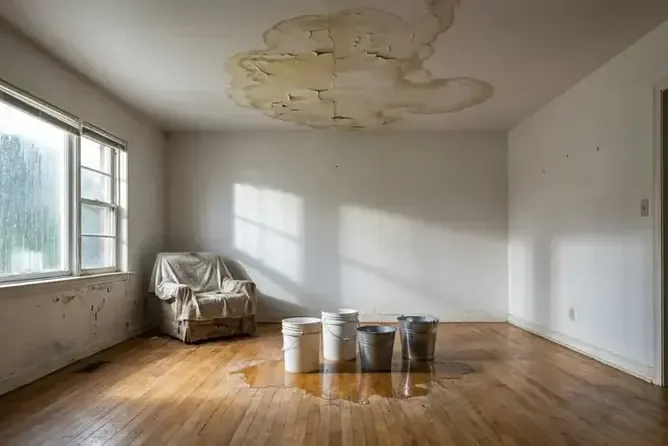
Occupants should not stand beneath a sagging area or puncture it to drain water. Retained liquid and wet ceiling material can fall suddenly, and nearby wiring may be affected. Furniture relocation should wait until safe access is established. A drip through a light fitting requires electrical assessment before the fixture is touched or used. The room can be observed from a dry doorway, with the location and visible changes reported to the responsible professional. Keeping people away from the unstable area is more important than preventing a stain on the floor below it.
Dry the connection between ceiling and wall
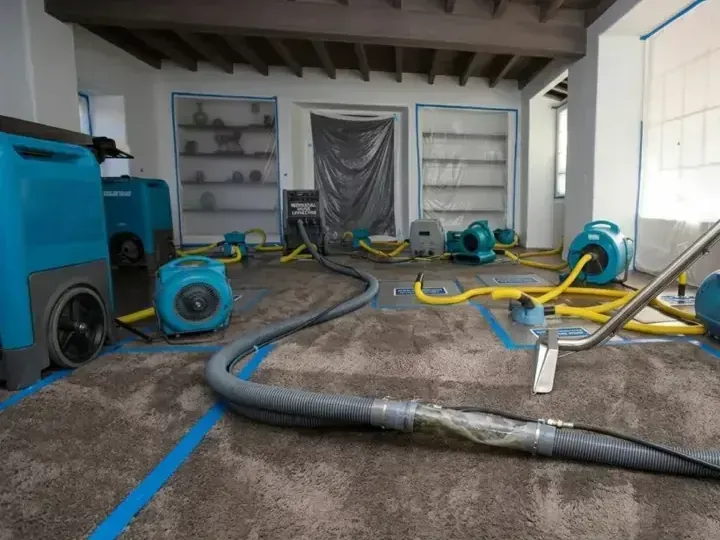
Water that reaches the edge of a ceiling can enter the upper wall cavity or run down to the floor. Structural drying of connected materials should therefore account for the assembly around the opening, not just the newly exposed joists. Moisture readings help locate those connections and track whether the retained materials are responding to the drying setup.
The source repair, cleaning decisions, and drying record should be checked before new ceiling material conceals the space. A clear closing note identifies any remaining inaccessible area and the work needed to address it. Owners can then coordinate repairs with the relevant trades and property manager without relying on the disappearance of a drip as the sole sign of completion.
For a rental, room restrictions should also be communicated to the person handling occupancy. Equipment, open ceilings, and unfinished electrical work can affect use even after the wettest materials have been removed.
An overhead leak needs room safety and a source investigation together. The owner or manager can describe the stain, any sagging, and the spaces that can be made accessible for inspection. A clear access contact helps the inspection follow water beyond the visible drip and plan the necessary drying before closure.
(888) 532-8921Arrange the overhead damage assessmentRelated water damage services in Kiawah Island
Ceiling Leak Water Damage questions in Kiawah Island, SC
Does a ceiling drip always come from an upstairs fixture?
No. Roof entry, supply water, and drainage problems can leave similar marks. Source tracing should connect the visible ceiling damage to the actual release before repair and cleaning decisions are made.
Can a small stain conceal a larger wet area?
Water can remain above the finish or move along framing beyond the stain. Moisture checks and appropriate access establish the affected boundary more reliably than the visible paint mark by itself.
Should a bowed ceiling be drained by the owner?
No. Puncturing it can release water and unstable material unexpectedly. The room should be kept clear until a professional assesses the overhead condition and plans controlled access with appropriate electrical precautions.
What if another unit needs to be inspected?
The authorized property manager should arrange entry and communicate with the occupants. The water route may require access beyond the damaged room, so the scope should record which spaces were inspected and treated.
Will the entire ceiling need replacement?
The decision depends on stability, water exposure, finish condition, and drying access. The proposed removal boundary should be explained from those findings instead of assuming either a small patch or complete replacement.
When can furniture return beneath the affected area?
The overhead assembly must be safe and the work restrictions resolved. Equipment, open cavities, electrical repairs, or unfinished surfaces may still limit room use even after active dripping has stopped.
Ceiling leak water damage in Kiawah Island
Ceiling inspections can be arranged for villa properties including Fairway Oaks, Parkside, and Turtle Cove. An authorized manager should coordinate access when the suspected water route crosses rooms or spaces controlled by different occupants.
The same service nearby: ceiling leak water damage in Johns Island, Folly Beach, Seabrook Island.
Water damage restoration in Kiawah Island · every town covered
Connect source tracing with ceiling recovery
A clear access contact helps the inspection follow water beyond the visible drip and plan the necessary drying before closure.
(888) 532-8921Discuss ceiling access and cleanup