Slab Leak Water Damage in Kiawah Island, SC
A damp floor over concrete needs investigation before demolition. The foundation, plumbing route, and affected floor layers determine where access belongs and how trapped water can be removed without opening unaffected areas.
(888) 532-8921Discuss moisture beneath the flooring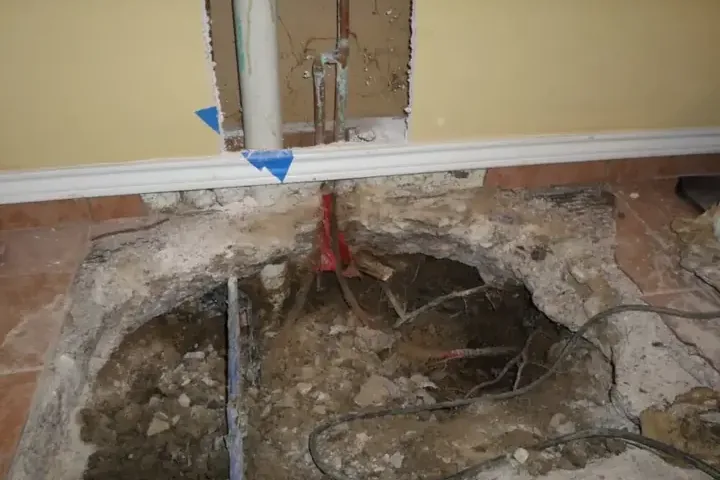
Why Kiawah Island water damage pros follow a measured plan
First steps for slab leak water damage
Record the first symptom
The owner can note when dampness, lifting finishes, or unusual wet spots appeared. Photos should include the adjoining wall and the room's floor transitions where safe.
Arrange source diagnosis
A plumbing assessment should locate the suspected release and identify the isolation method. Restoration planning can then address the water already absorbed by the building materials.
Expose information safely
Available construction or repair records can help describe the floor assembly. Occupants should avoid prying up adhered finishes or drilling exploratory holes before the inspection.
Coordinate the affected spaces
A manager should provide access where wet flooring reaches a shared boundary. The inspection may need more than the room containing the first visible stain.
What does slab leak water damage cost in Kiawah Island, SC?
Slab leak damage cleanup in Kiawah Island depends on finish access, the spread beneath flooring, and the assemblies requiring drying. These ranges describe restoration planning; plumbing diagnosis, pipe repair, and final floor replacement should be clarified separately.
| Work scope | Typical range |
|---|---|
Limited finish access
| $1,500 to $3,000 |
Several affected assemblies
| $3,000 to $7,500 |
Extensive trapped moisture
| $7,500 to $14,000 |
An inspection sets the written scope. Water category, affected area, material class and the delay before drying all change the cost. The water damage cost calculator estimates a planning range.
How the slab leak water damage work progresses
Compare structure and symptoms
The inspection establishes the actual foundation and floor layers before selecting access points. Water patterns are recorded alongside the plumbing findings to support a coordinated scope.
Approve a precise opening
The proposed access identifies its purpose and limits. Owners can distinguish the opening needed for pipe repair from finish removal needed to reach absorbed moisture.
Recover affected floor layers
Accessible water is removed, unsuitable materials are separated, and retained layers receive a drying plan. Cabinet edges and adjacent walls are included when the readings warrant attention.
Verify before covering
Later material checks document the remaining moisture condition. The handoff should identify what is ready for replacement and what still needs assessment before a new finish conceals it.
A floor stain alone cannot locate a concealed pipe failure. Slab leak water damage in Kiawah Island calls for a closer look at the structure supporting the room, the way water is entering, and the layers trapping it. The restoration assessment should work alongside plumbing diagnosis. That combination helps establish which finishes need access and which portions of the building can remain undisturbed while the cause is addressed.
Establish the construction before opening concrete
The island includes cottages on pilings in Inlet Cove, Sparrow Pond, and Night Heron. West Beach appears in the town account of older homes with lower first-floor living spaces. Such differences make the actual foundation a starting point for every assessment. A wet floor can sit over concrete, framing, or another assembly, and the access plan needs to describe that particular construction.
Where a slab is present, the investigation should distinguish water arriving through a concealed pipe route from moisture spreading across its surface. A plumbing professional can evaluate the suspected source while restoration work maps the affected finishes. Cutting concrete before the source and route are established can add avoidable damage and still leave the wet flooring elsewhere untreated.
- Locate the edges of damp flooring with material checks.
- Compare the affected surface with a suitable dry area.
- Identify wall bases connected to the wet floor assembly.
- Record existing cracks or finish changes before access work.
- Explain which opening serves diagnosis and which serves drying.
Separate pipe repair from wet material recovery
A repaired pipe stops the release, but the floor can retain moisture under adhesive, underlayment, or finish boards. Water may also collect beneath a cabinet plinth or at a wall junction. The cleanup scope should name these locations and describe how they will be evaluated. The smallest visible stain is not necessarily the full area needing attention.
In villa settings such as Fairway Oaks, an authorized property contact can help arrange inspection of connected spaces when the wet path reaches a boundary. The inspection should stay focused on actual moisture findings. Room layout and access conditions are recorded at the property so a repair decision does not rely on assumptions about neighboring units.
No exploratory cutting by occupants
Concrete and floor openings can encounter concealed utilities and create sharp debris. Owners should leave cutting, drilling, and lifting adhered finishes to the appropriate professionals after the area has been assessed. A wet surface near an outlet or powered appliance also requires an electrical safety check. Furniture should not be dragged across buckled flooring, and damaged floor edges should be kept clear of foot traffic. The immediate priority is limiting access to the affected zone while the source is diagnosed, with a clear explanation of the proposed opening before destructive work starts.
What does a useful drying handoff include?
The repair opening and the moisture boundary should be documented separately. An opening can be small while the wet finish extends across a much larger area. Structural drying then focuses on the exposed and retained materials, using readings that show whether the floor assembly is moving toward a condition suitable for repair.
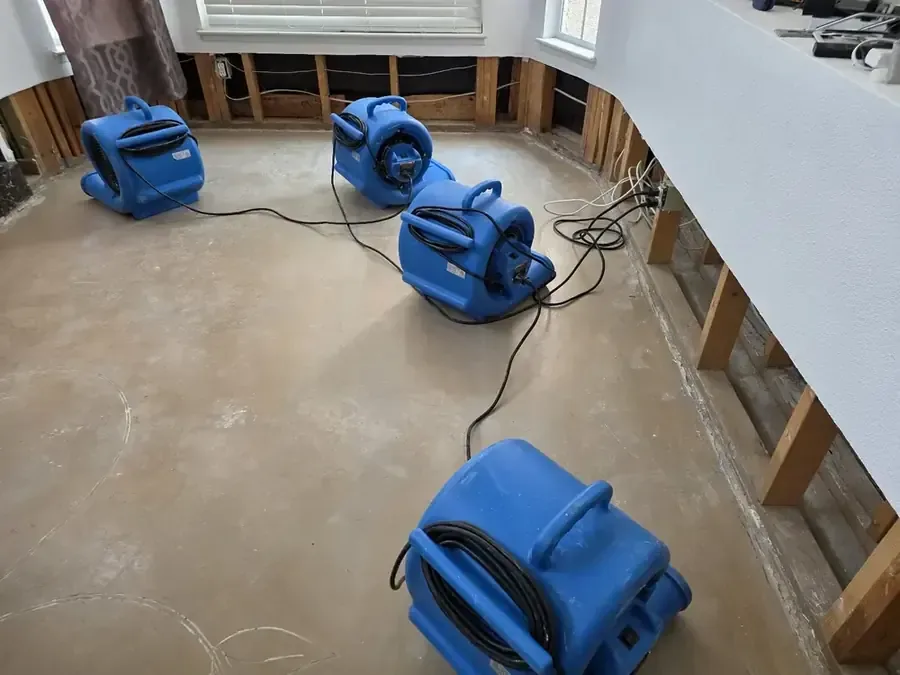
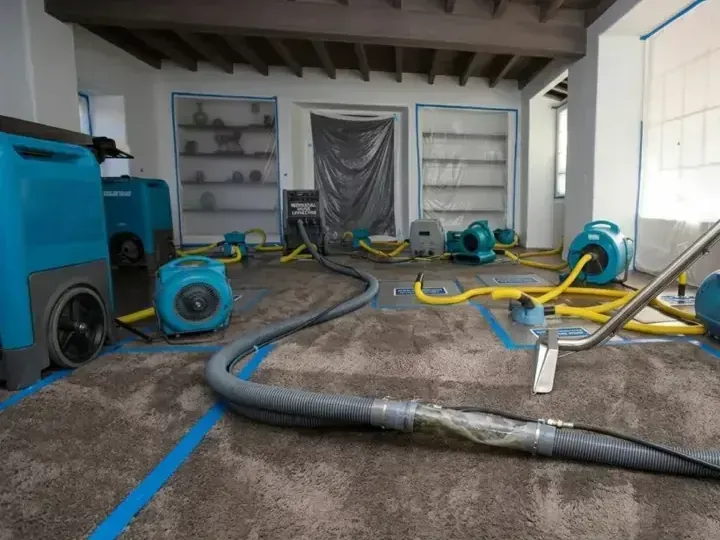
Concrete, wood, and adhesive layers do not respond identically to drying. The restoration plan needs appropriate equipment access and repeated checks at the locations that held water. When a finish is removed, the newly exposed substrate should be assessed before replacement is scheduled. That sequence gives the owner a more useful result than closing a plumbing access point while moisture remains underneath the surrounding floor.
A damp floor deserves a diagnosis before an opening is made. Owners can describe the finish, the first wet spot, and any previous plumbing work when arranging an assessment. An authorized contact can make the affected room available and discuss which repairs need coordination with the drying work.
(888) 532-8921Check the concealed floor damageRelated water damage services in Kiawah Island
Slab Leak Water Damage questions in Kiawah Island, SC
Does warm flooring identify the exact leak location?
A temperature change can help direct an investigation, but the plumbing route and material moisture still need evaluation. The repair opening should follow diagnosis rather than the warmest visible patch alone.
Do all island houses require slab access?
The foundation must be established at the property. Local housing includes piling cottages, so the assessment begins with the actual construction and chooses the appropriate access method for that building.
Can flooring remain after a concealed water release?
Retention depends on material condition, contamination, bonding, and whether drying can reach the wet layers. The decision should be explained for each affected finish instead of treating the entire room identically.
Why is the wall base checked during a floor leak?
Water can collect at the floor junction and soak the lower wall finish. Checking that connection helps prevent an apparently repaired floor from concealing moisture in the adjoining wall assembly.
Is the plumbing repair included in the drying price?
The written scope should distinguish those tasks. Diagnosis and pipe repair address the source, while restoration covers wet materials and drying. Replacement finishes may require another separate description and price.
What should happen before new flooring is installed?
The exposed substrate needs a moisture assessment appropriate to the planned finish. Records should explain remaining conditions so installation follows material readiness rather than simply the completion of the pipe repair.
Slab leak water damage in Kiawah Island
Property assessments include West Beach and villa settings such as Parkside. The owner should arrange access to wet flooring and share any available repair history so foundation details and plumbing access can be established on site.
The same service nearby: slab leak water damage in Johns Island, Folly Beach, Seabrook Island.
Water damage restoration in Kiawah Island · every town covered
Plan access around the actual structure
An authorized contact can make the affected room available and discuss which repairs need coordination with the drying work.
(888) 532-8921Discuss floor recovery