Crawl Space Water Removal in Kiawah Island, SC
The space beneath a cottage needs identification before a pumping plan. Open pilings, enclosed cavities, wet insulation, and exposed utilities each change the safe approach to removing water and checking the floor structure above.
(888) 532-8921Discuss water beneath the cottage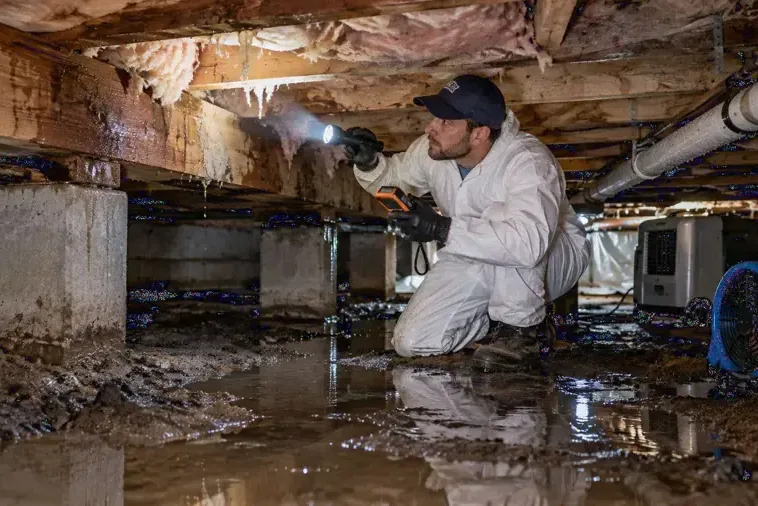
Why Kiawah Island water damage pros follow a measured plan
First steps for crawl space water removal
Describe the area from outside
The owner should identify whether the underside looks open or enclosed and where an access opening exists. Observations can be shared without entering standing water or confined spaces.
Report visible utility hazards
Wiring, equipment, or damaged connections near the water should be mentioned during the initial report. Those conditions affect entry assessment and the safe arrangement of removal equipment below the floor.
Identify ongoing water entry
The property contact can note whether water appeared with rain, flooding, or a plumbing problem. The inspection establishes the source and whether it continues feeding the area.
Arrange authorized exterior access
A manager can provide entry instructions and restrictions around the building. Equipment and debris routes need planning before workers assess or remove materials from below the floor.
What does crawl space water removal cost in Kiawah Island, SC?
Crawl space cleanup in Kiawah Island depends on access, enclosure, wet insulation, and continuing water entry. These planning bands describe removal and recovery scope; any plumbing, drainage, or building modifications should be stated separately from the restoration work.
| Work scope | Typical range |
|---|---|
Accessible pooled water
| $1,500 to $3,000 |
Wet insulation and framing
| $3,000 to $7,000 |
Extensive lower-space loss
| $7,000 to $14,000 |
An inspection sets the written scope. Water category, affected area, material class and the delay before drying all change the cost. The water damage cost calculator estimates a planning range.
How the crawl space water removal work progresses
Classify the underfloor space
The inspection records enclosure, access, utilities, and construction. These findings establish the work approach before equipment selection or entry beneath the building.
Assess source and removal conditions
Exterior entry and plumbing releases require different coordination. The assessment identifies continuing inflow, suitable recovery methods, and handling routes for water, debris, or affected insulation.
Expose the recoverable structure
Unsuitable materials are addressed so the retained floor underside and framing can be reached. Drying methods respond to the enclosure and actual moisture condition rather than a standard equipment layout.
Document the remaining lower-space work
Progress checks record material conditions and unresolved access limitations. The owner receives a distinction between completed restoration and further plumbing, drainage, or structural work requiring another professional.
Water beneath a home can be difficult to see and harder to reach safely. Crawl space water removal in Kiawah Island begins by establishing what the underfloor area actually is: an enclosed cavity, a partly open space, or an open piling area. The choice of equipment and the material inspection follow that construction. A pumping plan should not be assigned before the access conditions and continuing source of water are understood.
Piling cottages need a precise description
The town's 2018 account identifies Inlet Cove, Sparrow Pond, and Night Heron as freestanding cottage regimes built on pilings. For a particular cottage, the inspection should record any enclosure, the available opening, the floor underside, and utilities within the area. Those details determine whether interior crawl space methods are suitable or whether the work concerns exposed surfaces beneath an elevated building.
An open area may allow direct observation of some framing while an enclosure conceals wet insulation or debris. The restoration scope should describe the actual materials needing attention rather than treating the whole underside as a uniform room. Access limitations also matter because a confined route can affect how removed insulation, equipment, or recovered water leaves the property.
- Observe the entry opening without crawling into pooled water.
- Identify visible wiring or equipment near the wet area.
- Record whether water is still arriving from outside or plumbing.
- Inspect insulation touching the underside of the occupied floor.
- Separate wet stored materials from structural components during assessment.
Source control comes before repeated pumping
The town account describes some Inlet Cove street drains discharging directly to marsh and explains that tides can constrain pond outfalls. During outdoor flooding, conditions around the building may continue feeding the lower area. The removal plan should consider that ongoing entry rather than repeatedly pumping a space that refills without addressing the surrounding situation.
A plumbing leak beneath the floor presents a different source problem. The failed connection needs repair while the affected framing and insulation receive their own condition checks. Water color or location alone should not replace diagnosis. The scope should record what was found at the building, what is still active, and what can be treated safely at the time of inspection.
Do not enter a wet underfloor cavity
Standing water can conceal damaged wiring, sharp debris, unstable ground, or openings that are difficult to see from outside. A confined underfloor area can also restrict movement and make an emergency exit difficult. Occupants should not crawl inside to reposition a pump, pull wet insulation, or retrieve stored belongings. The entry assessment must address the space and its utilities before work begins. Portable equipment requires an appropriate power arrangement, and any suspected wastewater exposure changes the handling plan. Photographs taken from a safe exterior position are more useful than an unsafe attempt to inspect every corner personally.
Check the floor structure after the water recedes
Removing pooled water leaves the question of what remains absorbed above it. Floor framing, insulation, and the lower surface of the subfloor can retain moisture. Structural drying should target the recoverable assembly after unsuitable material and debris have been handled. The approach may differ substantially between an exposed piling area and an enclosed space with restricted airflow.
Readings should document the material condition at accessible wet locations and track changes during the work. If part of the floor underside cannot be reached, the owner should receive a clear explanation of that access issue and the proposed next step. The handoff should distinguish water removal from drying and any future drainage or building repairs, so a cleared lower area is not mistaken for a fully restored floor system.
Water beneath a cottage needs a plan based on the actual space. The property representative can describe the opening, enclosure, and visible conditions while remaining outside the wet area and away from exposed utilities. Safe entry information helps match removal and drying work to the structure, with the floor underside included in the assessment.
(888) 532-8921Plan an underfloor water assessmentRelated water damage services in Kiawah Island
Crawl Space Water Removal questions in Kiawah Island, SC
Does a cottage on pilings necessarily have a crawl space?
The area beneath the cottage needs inspection. Some spaces are open and others have enclosures, which changes entry conditions, airflow, and the treatment needed for framing or materials beneath the occupied floor.
Can an owner place a household pump below the floor?
Entry and power safety must be assessed first. Water can conceal electrical or physical hazards, so occupants should stay outside the area and let the appropriate professionals determine a suitable removal arrangement.
Why does wet insulation need separate attention?
Insulation can hold water against framing or obstruct drying of the floor underside. Its exposure and condition determine whether it can remain or needs removal to reach the recoverable structure behind it.
Will pumping alone prevent the water from returning?
Pumping removes the water currently present. A continuing plumbing release or exterior inflow requires its own assessment and control, so the removal plan should identify what is feeding the space during work.
Can the room above be dry while framing below stays wet?
Yes. The lower assembly may retain moisture without an obvious change in the occupied room. Underfloor material checks help establish whether the framing and subfloor need drying before the job is complete.
What access information should a manager provide?
The opening location, enclosure description, restrictions around the building, and authorized entry contact are useful. Any visible utilities or active water source should also be reported without entering the wet area personally.
Crawl space water removal in Kiawah Island
Underfloor assessments include cottages in Inlet Cove, Sparrow Pond, and Night Heron. The property representative should describe the access opening and visible water from outside, leaving entry to the professionals assessing the space and its hazards.
The same service nearby: crawl space water removal in Johns Island, Folly Beach, Seabrook Island.
Water damage restoration in Kiawah Island · every town covered
Discuss access beneath the occupied floor
Safe entry information helps match removal and drying work to the structure, with the floor underside included in the assessment.
(888) 532-8921Arrange lower-space recovery planning