Crawl Space Water Removal in Folly Beach, SC
Water below a building needs an access plan before a pump starts. Folly Beach crawl space removal evaluates incoming water, electrical concerns and saturated materials beneath the occupied floor, then plans recovery around the enclosure conditions.
(888) 532-8921Assess water beneath the building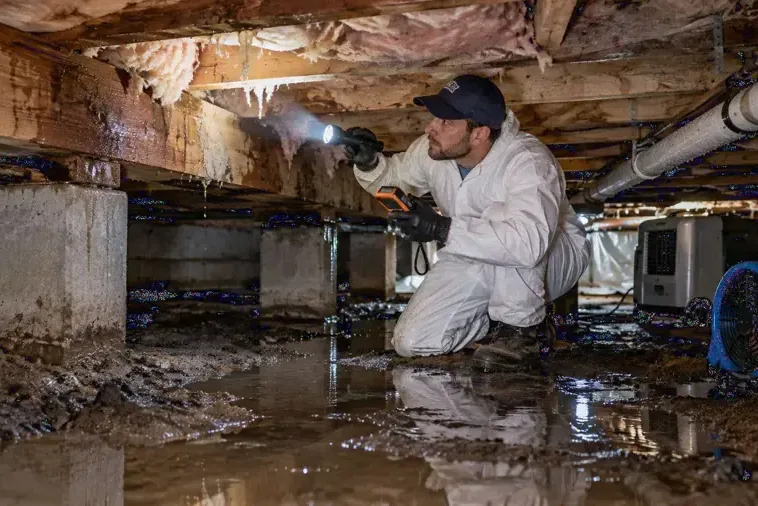
Why Folly Beach water damage pros follow a measured plan
First steps for crawl space water removal
Stay outside the wet enclosure
The access opening can be described from a safe position, but occupants should not enter standing water or reach beneath the building to handle wiring or equipment.
Report ongoing water movement
Information about active inflow, recent exterior flooding and any visible plumbing release helps the assessment decide how source control and water recovery should be coordinated.
Describe the lower materials
Visible displaced insulation, debris and wet supports should be mentioned without entering to inspect them, allowing the cleanup plan to account for handling and restricted access.
Identify rooms directly above
Floor changes or dampness in the occupied space should be recorded so the inspection can connect lower enclosure conditions with any affected materials inside the building.
What does crawl space water removal cost in Folly Beach, SC?
Crawl space cleanup in Folly Beach varies with entry restrictions, water conditions and the amount of wet insulation or framing. These ranges distinguish accessible pooling from material involvement and extensive losses requiring broader lower space recovery.
| Work scope | Typical range |
|---|---|
Accessible pooled water
| $1,500 to $3,000 |
Wet insulation and framing
| $3,000 to $7,000 |
Extensive lower-space loss
| $7,000 to $14,000 |
An inspection sets the written scope. Water category, affected area, material class and the delay before drying all change the cost. The water damage cost calculator estimates a planning range.
How the crawl space water removal work progresses
Assess the enclosure before entry
The inspection considers the opening, water depth, electrical concerns and continued inflow, establishing a safe work approach for personnel and recovery equipment beneath the building.
Plan recovery and discharge together
Removal equipment and the water discharge arrangement are selected around site conditions so pumping addresses the pool without creating another water problem nearby.
Evaluate materials exposed by removal
Once access improves, insulation, framing and other contact surfaces are assessed for cleaning, removal or drying, with the condition recorded before additional materials are disturbed.
Track the lower assembly through drying
Moisture checks follow retained structural materials and any connected interior damage, supporting a clear handoff for repairs after the lower space is ready.
An opening beneath a building can show standing water while concealing most of the affected space. The safest first report describes what is visible from outside: water at the entrance, displaced material or continuing inflow. Entering to investigate can introduce electrical, structural and restricted movement hazards. Professional assessment should establish the conditions before equipment or personnel move into the lower enclosure.
Understand whether water is still entering
High tides recur as a flooding source in Folly Beach, alongside rain, drainage and storms. The community fronts the Atlantic Ocean, and conserved marshes help reduce storm surge impacts. For a wet crawl space, the inspection needs to distinguish active exterior entry from water left after an event and from a plumbing release beneath the building.
Folly River Boat Landing is county operated, and Center Street is the community gateway. At a specific property, access planning should identify the lower opening and a suitable route for equipment. The report should also mention affected rooms above, especially if flooring has changed appearance or water has appeared around penetrations connecting the lower space to the interior.
Pooled water and wet materials require separate decisions
Removing accessible water can reveal insulation, supports and framing that need further assessment. Saturated insulation may hang away from its original position or hold water against adjacent materials. Debris can obstruct inspection. The cleanup scope should state what needs removal, what can be cleaned and what will remain for drying after the pool is gone.
- Identify the access opening without entering standing water.
- Report any visible wiring or equipment near the pool.
- Describe whether water is moving into the enclosure.
- Note changes in the floor directly above the wet area.
- Keep stored items and household traffic away from the work route so equipment placement does not create another access restriction.
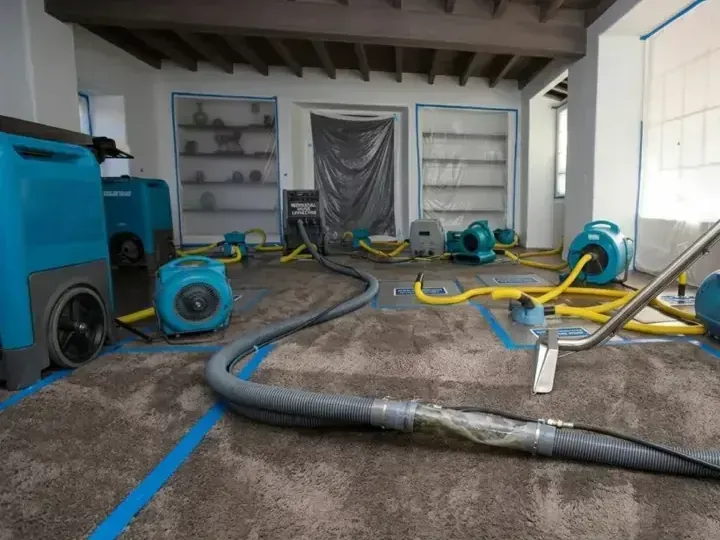
Pump selection and discharge planning should follow the site conditions. Water removal needs to avoid creating another affected area or allowing discharged water to return to the building. Where contamination is present, handling and cleaning decisions should reflect it before air movement begins beneath occupied rooms.
A low opening is not permission to enter
Occupants should not crawl into water to inspect a pipe, retrieve belongings or place a household pump. Restricted movement can make an unexpected electrical or structural problem harder to escape. Extension cords should stay away from pooled water, and fuel powered equipment should never operate in an enclosed space. The person reporting the loss can remain outside and describe the visible entrance conditions. Appropriate access, equipment and protective measures belong in the professional work plan before entry.
What does crawl space removal cost in Folly Beach?
Accessible pooling has a different scope from water accompanied by wet insulation and framing. Restricted entry, debris and extensive contamination can add handling work. The estimate should identify water recovery, material removal, cleaning and drying separately so the owner understands which conditions account for the scope.
The countywide stormwater management plan benefits the city. At the building itself, source correction must address the actual incoming route. Storm and flood cleanup may be relevant when outdoor water also reached the occupied rooms, while a plumbing release needs its own repair coordination.
After pump out, measurements should evaluate retained wood and other affected materials. A lower space can look empty of water while still holding substantial moisture in insulation and framing. The work record should explain the condition after removal, the drying arrangement and any remaining repairs needed before disturbed materials are replaced.
Water beneath a Folly Beach property needs a safe access and removal plan that also addresses insulation, framing and the source of continued entry. A description of the opening, visible inflow and changes in rooms above helps establish the recovery scope without asking occupants to inspect a hazardous restricted space.
(888) 532-8921Assess the wet lower enclosureRelated water damage services in Folly Beach
Crawl Space Water Removal questions in Folly Beach, SC
Should an owner enter to measure the water?
A wet restricted space can contain hazards that are difficult to see or avoid. The owner can describe the entrance from outside, leaving entry and water assessment to professionals with an appropriate access plan.
Is pumping enough when insulation is wet?
Pump out removes pooled water but does not resolve saturation in insulation or framing. Those materials need separate evaluation, with removal, cleaning and drying decisions based on their condition and the water source.
Why does the discharge location matter?
Recovered water needs a suitable route that avoids affecting another area or returning to the building. Site conditions and contamination influence that arrangement, so discharge should be planned alongside the equipment used for removal.
Can the floor above be affected too?
Moisture can contact the underside of the floor assembly and connected materials. Changes in the occupied room should be reported so inspection can evaluate both the lower space and any related interior damage.
What if water keeps returning during removal?
Continued entry requires attention to the incoming source and changing conditions. The plan may need adjustment before effective drying is possible, with exterior intrusion distinguished from a plumbing release beneath the structure.
When can removed insulation be replaced?
Replacement should follow source correction, necessary cleaning and assessment of retained materials. Framing that remains wet needs further attention before a new insulating layer conceals it and restricts access for follow up inspection.
Crawl space water removal in Folly Beach
For Folly Beach properties in ZIP 29439 with an affected crawl space, the report should identify the access opening and visible water conditions. Interior floor changes and ongoing outdoor entry should also be described before inspection.
The same service nearby: crawl space water removal in Johns Island, Kiawah Island, Seabrook Island.
Water damage restoration in Folly Beach · every town covered
Plan removal before entering
A description of the opening, visible inflow and changes in rooms above helps establish the recovery scope without asking occupants to inspect a hazardous restricted space.
(888) 532-8921Discuss crawl space recovery conditions