Storm and Flood Cleanup in Folly Beach, SC
Outdoor floodwater leaves more than a wet floor. Folly Beach cleanup begins when access is safe, then addresses residue, affected contents and moisture trapped behind finishes after the water retreats.
(888) 532-8921Discuss coastal flood recovery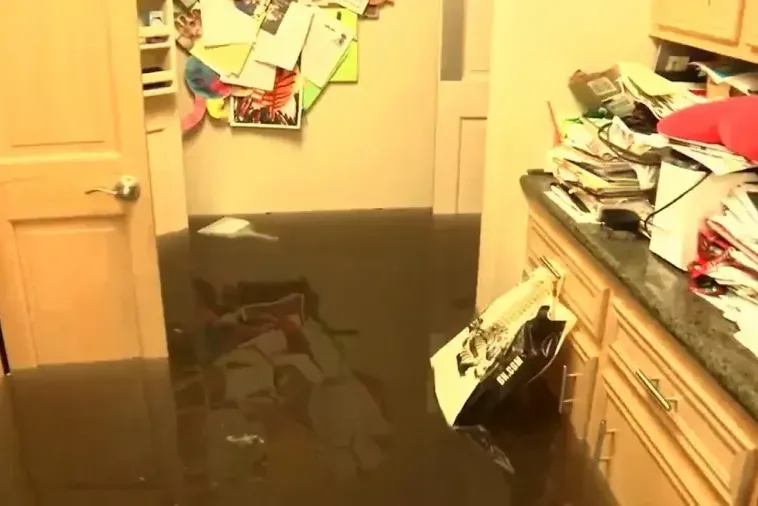
Why Folly Beach water damage pros follow a measured plan
First steps for storm and flood cleanup
Confirm safe property access
Entry should follow applicable restrictions and an assessment of electrical and structural concerns, especially when the route crosses water or visibly damaged building areas.
Capture the flood extent
Photographs taken from safe positions should record water marks, debris deposits and affected contents before cleaning changes the evidence of where outdoor water traveled.
Separate exposed belongings
Wet possessions need a designated handling area so sorting, disposal and cleaning do not carry sediment into rooms that remained dry during the event.
Describe remaining outdoor entry
The report should explain whether water is still reaching doors, lower openings or drains and identify the areas that remain inaccessible for an interior assessment.
What does storm and flood cleanup cost in Folly Beach, SC?
Flood cleanup in Folly Beach depends on exposure, contamination and the amount of building material requiring access or removal. Planning ranges progress from limited outdoor entry to extensive damage involving several rooms and connected structural assemblies.
| Work scope | Typical range |
|---|---|
Limited outdoor entry
| $3,000 to $5,000 |
Multiple flooded rooms
| $5,000 to $12,000 |
Extensive flood impact
| $12,000 to $25,000 |
An inspection sets the written scope. Water category, affected area, material class and the delay before drying all change the cost. The water damage cost calculator estimates a planning range.
How the storm and flood cleanup work progresses
Establish entry and utility conditions
The first inspection identifies safe work areas and records ongoing exterior water, damaged finishes and utility concerns that must be addressed before cleanup expands.
Document contact throughout the building
Room records distinguish visible water marks, residue and absorbed moisture, creating a material specific scope for contents handling and structural recovery decisions.
Remove contamination and expose wet layers
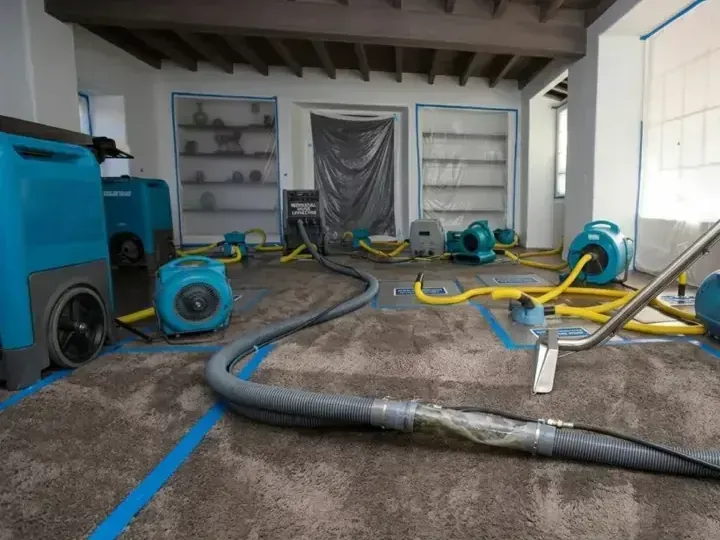
Recovery includes water removal, disposal of unsuitable finishes and cleaning of retained surfaces, with access created where layers prevent effective inspection or drying.
Verify readiness for the repair stage
Follow up measurements and cleaning records support the decision to rebuild, while unresolved wet areas remain identified rather than hidden behind replacement finishes.
When floodwater recedes, the highest visible water mark helps tell the story but does not define the entire cleanup. Moisture can rise through absorbent materials or remain below floor coverings. Debris may collect behind furniture and inside low storage. A useful recovery plan identifies the entry path, separates contents decisions from building work and explains which materials require removal before the retained structure can dry.
A coastal event can change the whole work sequence
November 2021: High tides flooded Folly Beach County Park, caused erosion and overtopped dunes. That event gives a concrete example of exterior water reaching beyond its usual boundary. The community fronts the Atlantic Ocean, and high tides, storms, rain and drainage all contribute to local flooding. Inspection should document the water's route through the particular building and any changing conditions outside.
Center Street's stormwater infrastructure project was complete by October 1, 2026. Green infrastructure and pervious parking spaces form part of that project. At an affected property, the immediate priorities remain safe entry, the condition of utilities and whether water is still arriving. Work planning must account for those current conditions before contents are carried out or recovery equipment is connected.
Sort the loss by materials and exposure
Floodwater can leave contamination and sediment throughout the contact area. Cleaning a hard surface is a different task from addressing water absorbed into carpet padding, insulation or other porous finishes. The scope should explain which materials can be retained after cleaning and which need removal to expose the underlying structure.
- Record water marks before washing or removing affected finishes.
- Separate wet storage contents from clean supplies and textiles.
- Identify floor cavities and low cabinets reached by water.
- Plan a debris route that avoids unaffected living areas.
- List belongings individually when damage differs, rather than treating every item in a flooded room as having the same condition.
Contents movement should make inspection possible without spreading residue. Furniture bases can conceal wet flooring, and closed cabinets can hold debris against walls. Documentation taken during selective removal can show the moisture path more clearly than photographs taken after the room has been emptied.
Reentry depends on more than falling water
Occupants should respect access restrictions and avoid water near electrical equipment. A building may have unstable finishes, hidden debris or affected utilities after the exterior water level falls. Wet appliances should remain out of use until the appropriate professional evaluates them. Cleanup chemicals should be selected and handled correctly rather than combined. Anyone describing the loss should mention damaged ceilings, unusual movement in floors and rooms that cannot be reached along a dry route, so the assessment can establish suitable work boundaries.
What does flood cleanup cost in Folly Beach?
The estimate grows with the number of flooded rooms, the amount of contaminated material and the access needed to clean and dry retained assemblies. A limited outdoor entry can be a focused job, while extensive intrusion may require coordinated contents handling and substantial removal. Each part should be visible in the written scope.
The county operates Folly River Boat Landing, and the city's flood response context includes the county Flood Warning and Response program. For household recovery, a room by room record provides the useful detail: water depth observations, affected materials, cleaning work and drying measurements. Water extraction may begin the interior recovery once conditions permit it.
Before new finishes are installed, retained materials need a documented drying assessment. The recovery endpoint should reflect their condition and the completed cleaning work, rather than a calendar assumption or the disappearance of standing water.
Folly Beach flood recovery starts with safe access and a practical account of where outdoor water traveled, what it touched and what remains wet. Current entry conditions, affected rooms and photographs of water marks help shape a cleanup scope for contents, contaminated finishes and retained structural materials.
(888) 532-8921Plan the flood recovery sequenceRelated water damage services in Folly Beach
Storm and Flood Cleanup questions in Folly Beach, SC
Can cleanup begin as soon as water falls?
Falling water helps access but does not settle electrical or structural concerns. Reentry should follow restrictions and a safe assessment. The cleanup plan then accounts for contamination, damaged finishes and any continued outdoor entry.
Why remove finishes that still look intact?
Some porous materials absorb contaminated water deeply even when their surface remains recognizable. Removal may be necessary to address exposure and reach the structure beneath. The decision should be explained for each affected material.
Should all flood damaged belongings be photographed?
Individual photographs can help when items have different levels of exposure. Safe documentation should show the item, its affected area and its location before disposal or relocation changes the room's original condition.
Does the highest water mark define removal height?
The mark is useful documentation, but absorbent materials can carry moisture beyond it. Measurements and material condition determine the necessary scope. Inspection should include connected cavities and finishes above the visibly stained boundary.
Can outdoor water and a plumbing leak overlap?
A property can have more than one source during a disruptive event. Describing the entry locations and timing helps the inspection separate exterior flooding from an active indoor supply or drain problem requiring additional correction.
What belongs in the final flood cleanup record?
The record should identify affected rooms, removed materials, cleaned surfaces and drying observations. Clear documentation helps connect the original water entry to completed work and the areas ready for subsequent finish repairs.
Storm and flood cleanup in Folly Beach
Folly Beach flood assessments in ZIP 29439 need current access details, water entry locations and the condition of utilities. The property report should identify occupied areas and any rooms that remain closed after the event.
The same service nearby: storm and flood cleanup in Johns Island, Kiawah Island, Seabrook Island.
Water damage restoration in Folly Beach · every town covered
Document the exterior water loss
Current entry conditions, affected rooms and photographs of water marks help shape a cleanup scope for contents, contaminated finishes and retained structural materials.
(888) 532-8921Assess the storm affected property