Storm and Flood Cleanup in Kiawah Island, SC
Floodwater can leave debris inside a room after the water level falls. Recovery starts with safe return, an assessment of the entry route, and decisions about contaminated finishes before drying equipment is placed.
(888) 532-8921Plan the flooded property assessment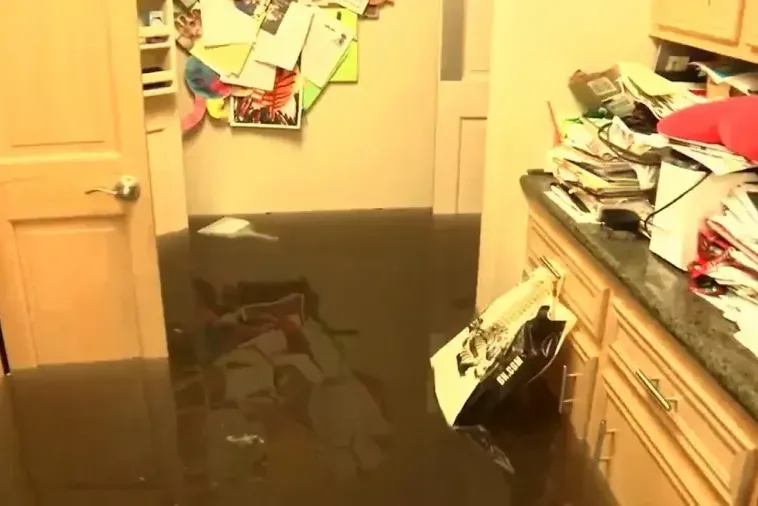
Why Kiawah Island water damage pros follow a measured plan
First steps for storm and flood cleanup
Check the return conditions
The property contact should confirm that travel and building entry are permitted before arranging an interior visit. An exterior view can still reveal hazards that require further assessment.
Preserve the first observations
Water marks, debris deposits, and damaged contents can be photographed from safe ground. Notes should identify each affected room and describe its particular water exposure and visible material damage.
Separate clean storage
Unaffected belongings should stay outside debris routes. Moving flooded boxes through clean rooms can transfer contaminated water and make the eventual material assessment more difficult to organize.
Explain the building access
The authorized manager should identify the entry contact, locked areas, and affected lower rooms. These details support a workable assessment after weather and access restrictions permit it.
What does storm and flood cleanup cost in Kiawah Island, SC?
Storm cleanup in Kiawah Island depends on outside water exposure, affected contents, and material removal across the building. The ranges below support planning; a property inspection establishes cleaning, drying, and any separate reconstruction or source-control work.
| Work scope | Typical range |
|---|---|
Limited outdoor entry
| $3,000 to $5,000 |
Multiple flooded rooms
| $5,000 to $12,000 |
Extensive flood impact
| $12,000 to $25,000 |
An inspection sets the written scope. Water category, affected area, material class and the delay before drying all change the cost. The water damage cost calculator estimates a planning range.
How the storm and flood cleanup work progresses
Establish a safe inspection route
Access restrictions, electrical hazards, and building damage determine safe entry. Exterior conditions are recorded alongside interior observations and threshold marks.
Sort the flood impact
Water, debris, contents, and building materials are assessed separately. The work scope identifies what can be cleaned, what needs removal, and where protected handling routes are necessary.
Clean before directed drying
Retained surfaces receive the treatment appropriate to the flood exposure. Equipment placement then addresses the wet structure without using airflow to spread debris into unaffected rooms or contents.
Hand over a clear condition record
The closing notes distinguish completed removal, drying results, and remaining repairs. Owners can use the record to discuss reconstruction and the particular loss with their insurer or manager.
Storm and flood cleanup in Kiawah Island needs a record of the way water entered, not just the height it reached. Heavy rain, restricted drainage, and river or marsh intrusion can produce different conditions around the same building. Once access is safe, the assessment connects exterior entry points with affected interior materials. That record helps organize debris removal, contents handling, and the drying of assemblies that can remain.
Separate the island's past flooding situations
October 2015: Approximately 16 to 20 inches of rain fell over four days, causing widespread flooding. October 2016: Hurricane Matthew brought widespread flooding and dune erosion. September 2017: Tropical Storm Irma prevented travel and damaged some garages and first-floor spaces, with river and marsh water entering the island. These are distinct events with different details that matter when describing a current property's water source.
The 2018 drainage account explains that interconnected pond outfalls drain toward river or marsh when tides are low enough. Canvasback Pond and the Beachwalker/Inlet Cove outfall are named drainage locations. For a flooded room, the immediate question is whether the exterior conditions have stabilized enough to support safe water removal and prevent repeated entry during cleanup.
- Record threshold marks and debris deposits before removal begins.
- Identify affected stored contents separately from the building finishes.
- Check garage connections to adjoining interior rooms and closets.
- Assess absorbent layers that contacted outside water directly.
- Keep clean belongings away from flood debris handling routes.
Lower spaces need a deliberate material survey
West Beach includes older homes with lower first-floor living areas in the town's account. A lower room can hold damaged wallboard, floor coverings, cabinetry, and stored belongings even after pooled water has receded. Each item needs a condition assessment. A garage floor that can be cleaned may sit beside porous finishes requiring removal, so the scope should distinguish the assemblies rather than applying one treatment everywhere.
Sand, pine straw, mulch, and yard debris appear among the documented drainage obstructions. Material brought into a building can also interfere with cleaning and water recovery. Removal should therefore include a practical route for debris and contaminated contents, with decisions recorded before salvageable and unsuitable items become mixed together.
Receding water does not make entry safe
Occupants should follow official access restrictions and stay out of buildings with standing water near electrical equipment, unstable ceilings, or uncertain structural conditions. Floodwater can hide sharp objects and damaged floor openings. A generator must never operate indoors or in an enclosed area, and powered equipment needs safe electrical provision. Cleanup should begin only after the work area has been assessed. Belongings can be documented from a safe position while the authorized professionals determine entry and removal requirements. No personal item is worth crossing hazardous water or entering a room with visibly failing finishes.
From flood debris to a repairable interior
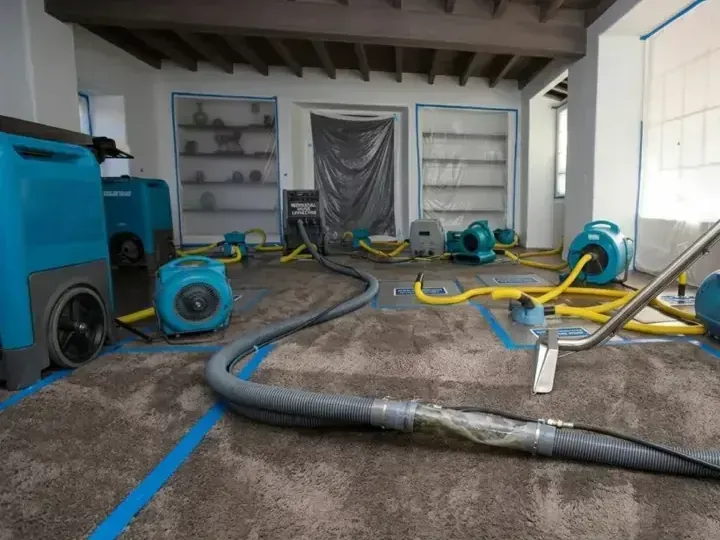
Once water and unsuitable materials are removed, retained surfaces need cleaning appropriate to their exposure. Drying the remaining structure follows that material assessment. Airflow and dehumidification should reach the assemblies left in place, with progress recorded at repeatable locations rather than judged by a cleared floor alone.
Owners benefit from a closing description that separates completed cleanup, ongoing drying, and future repairs. Flood damage records should include the observed entry route, affected rooms, contents decisions, and any inaccessible areas. That separation supports reconstruction planning and gives an insurer a clear account of what was found at the property after safe access was established.
A flooded property needs an organized return and assessment. The owner or manager can describe the affected lower spaces, visible debris, and any restrictions that still control access to the building. Safe entry and a clear property contact allow the cleanup scope to reflect what the water actually reached inside.
(888) 532-8921Organize the post-flood assessmentRelated water damage services in Kiawah Island
Storm and Flood Cleanup questions in Kiawah Island, SC
Can cleanup begin while roads remain flooded?
Access restrictions and travel safety control when a property visit can occur. Owners should arrange the authorized entry contact and share observations remotely until the route and building are suitable for assessment.
Is rainwater inside always treated as a clean spill?
Water that crosses outside surfaces can collect debris and contaminants before entering. The assessment considers its route and contact with building materials instead of assigning a cleanup method from the weather alone.
Should flood-damaged contents be discarded before inspection?
Where safe, photographs and item descriptions should be preserved before disposal. Hazardous conditions may require prompt handling, but the record should still distinguish removed belongings from retained items and building finishes.
Can the garage be handled separately from living rooms?
The inspection should establish whether water crossed between them or entered connected assemblies. Separate scopes may be appropriate, but an apparently isolated garage still needs checks at adjoining thresholds and wall junctions.
Will a drainage basin name determine a property's loss?
The actual property conditions determine the restoration scope. Entry marks, affected materials, and observed water routes provide the information needed to plan cleanup at that building and explain its particular damage.
When should replacement flooring be scheduled?
Replacement follows removal, appropriate cleaning, and an assessment of the substrate's moisture condition. Scheduling it before those steps can conceal retained water and make the new finish difficult to protect during ongoing work.
Storm and flood cleanup in Kiawah Island
Flood assessments include lower spaces in West Beach and properties around the island's named drainage areas. Safe travel, authorized entry, and the condition of the building determine when an interior inspection can proceed after an event.
The same service nearby: storm and flood cleanup in Johns Island, Folly Beach, Seabrook Island.
Water damage restoration in Kiawah Island · every town covered
Discuss outside water and affected contents
Safe entry and a clear property contact allow the cleanup scope to reflect what the water actually reached inside.
(888) 532-8921Plan flood recovery work