Sewage Backup Cleanup in Kiawah Island, SC
Wastewater on a bathroom floor changes how the room can be used. Isolation, drain diagnosis, and controlled cleanup help keep contaminated water from reaching occupants, clean belongings, and adjoining living spaces.
(888) 532-8921Arrange contained wastewater cleanup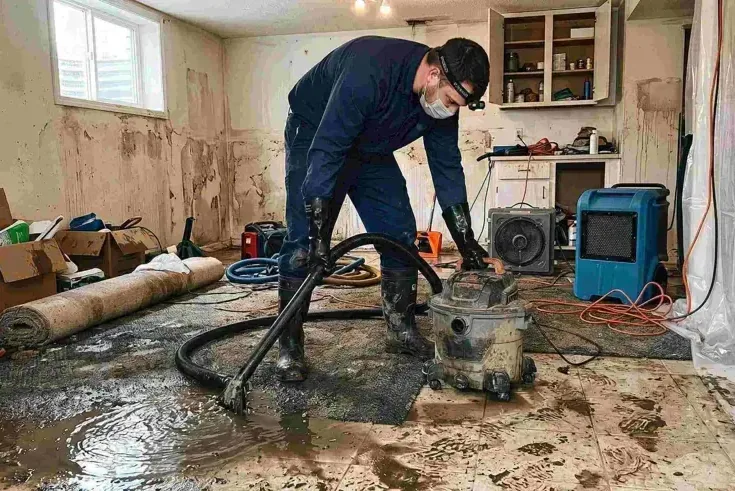
Why Kiawah Island water damage pros follow a measured plan
First steps for sewage backup cleanup
Close off the affected room
Occupants should avoid crossing the contaminated floor and keep children or pets elsewhere. A clean access route should remain available for the arriving assessment and equipment.
Pause connected fixture use
If several fixtures are affected, further wastewater discharge can worsen the backup. The plumbing professional should establish which fixtures can safely return to normal use afterward.
Contact the responsible manager
For a villa or rental, the authorized property representative can arrange room access and communicate restrictions to occupants while source diagnosis and removal work are planned.
Document from outside the boundary
Photos can show affected fixtures and visible spread without entering the sewage. The owner should note when the backup appeared and whether it continues between fixture use.
What does sewage backup cleanup cost in Kiawah Island, SC?
Sewage cleanup costs in Kiawah Island reflect contaminated surface area, porous material removal, and the route for handling debris. The inspection should separate restoration from drain repair and describe any work needed before the room can reopen.
| Work scope | Typical range |
|---|---|
Limited hard-surface backup
| $2,000 to $3,500 |
Several contaminated rooms
| $3,500 to $9,000 |
Extensive building contamination
| $9,000 to $18,000 |
An inspection sets the written scope. Water category, affected area, material class and the delay before drying all change the cost. The water damage cost calculator estimates a planning range.
How the sewage backup cleanup work progresses
Set the contamination boundary
The assessment identifies affected rooms and the movement route for workers and debris. Clean spaces are separated so the cleanup does not extend the original exposure.
Coordinate drain correction
Plumbing findings establish how the wastewater entered and what repair is needed. Restoration timing accounts for ongoing discharge so cleaned areas are not exposed again during work.
Remove and treat
Contaminated liquid and unsuitable porous materials are handled under controlled conditions. Retained surfaces receive cleaning and appropriate treatment before equipment is positioned for any required drying.
Check the remaining restrictions
The closing assessment records source status, treated surfaces, moisture findings, and repair needs. The responsible property contact receives clear information about spaces that still cannot be used.
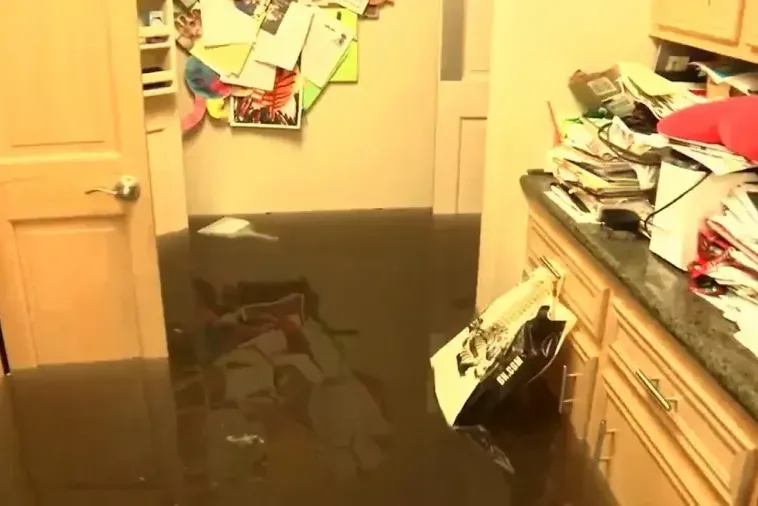
A toilet overflow or wastewater emerging from a low drain needs more than water removal. Sewage backup cleanup in Kiawah Island begins with limiting contact and determining whether the drain system is still sending water into the room. A clean route for workers and a separate path for contaminated material protect the rest of the building. Household occupants should remain outside that boundary while the source and scope are assessed.
Keep wastewater separate from pond flooding
The town's 2018 account describes Kiawah Island Utility operating the wastewater system and pumping stations moving sewage toward treatment. That account also describes a distinct pond drainage system discharging toward river or marsh. For a property loss, the inspection needs to identify what actually entered the building: wastewater through a fixture, outdoor flooding through a threshold, or more than one source.
The distinction shapes both source repair and cleanup. A drain obstruction needs plumbing attention, while outside water entry may require a broader flood assessment. Dark color or an unpleasant odor alone should not replace source tracing. The written record should identify affected fixtures, the rooms reached, and the condition of porous materials exposed to the water.
- Stop use of fixtures that may feed the affected drain.
- Keep pets and occupants out of contaminated rooms.
- Do not carry wet rugs through unaffected living areas.
- Identify nearby cabinets and wallboard touched by the backup.
- Arrange a safe removal route before damaged contents are moved.
Cleaning decisions follow the material
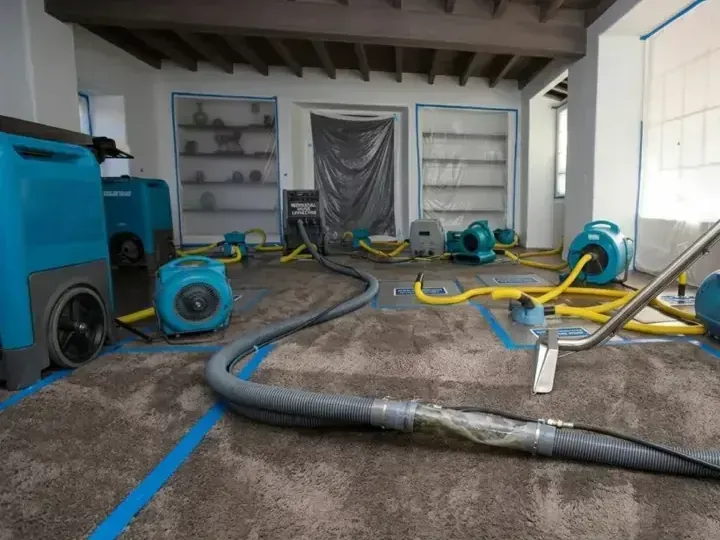
Hard surfaces and porous finishes require different treatment. Sewage-soaked padding or wallboard can retain contamination that surface wiping cannot reach. Salvageable hard materials need thorough cleaning with the appropriate treatment after gross contamination is removed. Drying follows that work; air movement should not be used as a substitute for removing the contamination itself.
Parkside, Fairway Oaks, and Tennis Club are identified as multifamily villa regimes in the town account. In such settings, property coordination matters when a wet path reaches a shared wall or a room under different management. Access should be arranged through the responsible contact, with separate records of each inspected space and the materials affected there.
Avoid contact and improvised chemical cleanup
Occupants should not walk through sewage, attempt to clear a submerged electrical appliance, or mix cleaning chemicals in the affected room. Splashing and contaminated footwear can spread the problem beyond the original floor area. A household fan can move particles into adjoining rooms, while household cleaning may leave contamination inside porous layers. The safest waiting position is outside the work zone. Any person exposed to wastewater should seek appropriate health advice, and a qualified professional should assess electrical equipment that contacted the backup before it is returned to service.
Repair the cause and document room recovery
Drain repair and restoration need to be coordinated so a cleaned space is not immediately contaminated again. The plumbing finding should explain what was corrected and whether additional investigation remains necessary. Cleanup records should describe removed materials, treated surfaces, and areas still restricted. Those details help an owner or manager understand the condition of the property at each handoff.
When drying of retained materials is needed, it should follow the cleaning assessment and use readings from the affected assembly. Room readiness depends on the cleaning status, retained material condition, and completion of required repairs. A useful closing check addresses source control, cleaning completion, moisture condition, and any repair work that still prevents ordinary use of the space.
Wastewater indoors calls for a controlled response. The property contact can identify affected fixtures and arrange access without entering the contaminated room or moving wet belongings through clean spaces. Provide the drain symptoms and any manager contact so the source repair and restoration can be organized together.
(888) 532-8921Discuss the wastewater boundaryRelated water damage services in Kiawah Island
Sewage Backup Cleanup questions in Kiawah Island, SC
Can a clear-looking overflow still require sewage cleanup?
Appearance alone is not a reliable basis for handling wastewater. The source and contact path determine the cleanup approach, including whether porous materials need removal and which surfaces require treatment.
Should a bathroom fan be left running?
Air movement should follow the contamination assessment. Unplanned airflow can move contaminated particles toward clean rooms, so occupants should avoid adding fans or redirecting ventilation through the affected area during the wait.
Will unclogging the drain finish the restoration?
A corrected drain addresses the cause but leaves contaminated surfaces and absorbed water behind. Those materials need a separate assessment for removal, cleaning, and drying before the room returns to use.
What happens to sewage-soaked rugs and padding?
Their condition and exposure require a material-specific decision. Porous layers that cannot be effectively cleaned should be removed through a controlled route, with affected belongings documented before disposal where practical.
Can adjoining rooms stay occupied during cleanup?
That depends on separation, access, contamination spread, and other hazards. The work plan should identify usable areas clearly and account for occupants who would otherwise need to cross the cleanup zone.
Does a sewer backup receive automatic insurance coverage?
Coverage depends on the policy and its applicable terms. Owners can preserve photos, drain findings, cleanup records, and damaged-item descriptions so the insurer has a clear account of the loss to check.
Sewage backup cleanup in Kiawah Island
Wastewater cleanup can be coordinated for homes and villas in Parkside, Turtle Cove, and Tennis Club. The responsible contact should identify affected fixtures, shared access concerns, and any restrictions on reaching the contaminated rooms.
The same service nearby: sewage backup cleanup in Johns Island, Folly Beach, Seabrook Island.
Water damage restoration in Kiawah Island · every town covered
Coordinate a safe cleanup route
Provide the drain symptoms and any manager contact so the source repair and restoration can be organized together.
(888) 532-8921Arrange sewage assessment