Sewage Backup Cleanup in Seabrook Island, SC
A drain backup changes the room's safety conditions immediately. Seabrook Island cleanup separates the affected area, addresses contaminated materials and coordinates source repair before cleaning and drying return the space toward usable condition.
(888) 532-8921Discuss the wastewater cleanup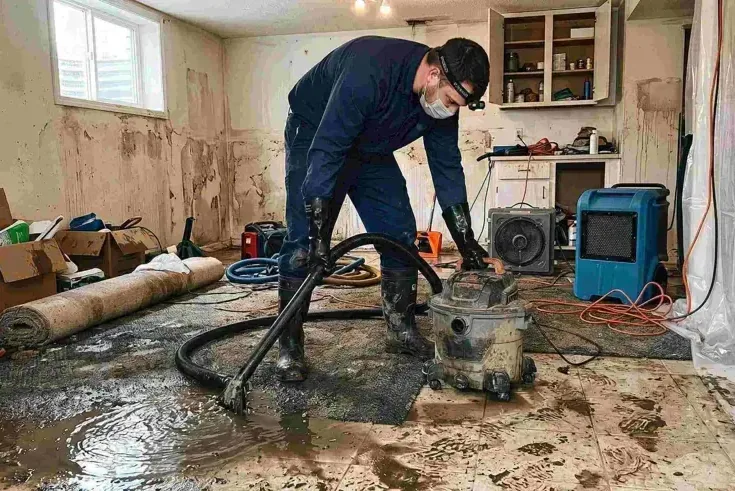
Why Seabrook Island water damage pros follow a measured plan
First steps for sewage backup cleanup
Close off the affected route
Prevent occupants from walking through wastewater to reach another room. Keep a separate dry exit available and leave electrical hazards undisturbed while help is arranged.
Pause fixture use
Avoid flushing or running connected fixtures while the backup continues. Record which drain first overflowed and whether additional fixtures became involved before use stopped.
Arrange the right contacts
An owner or manager can coordinate plumbing evaluation and utility communication while authorizing interior cleanup. Keep those responsibilities visible when the scope is discussed.
Record contact with materials
From outside the contaminated area, note flooring, furniture and lower walls touched by wastewater. These details help plan removal without spreading affected items through the property.
What does sewage backup cleanup cost in Seabrook Island, SC?
Sewage cleanup in Seabrook Island is planned from $2,000 to $18,000 depending on contaminated area, material removal and access. The estimate should distinguish interior cleanup from drain repairs and the later replacement of affected finishes.
| Work scope | Typical range |
|---|---|
Limited hard-surface backup
| $2,000 to $3,500 |
Several contaminated rooms
| $3,500 to $9,000 |
Extensive building contamination
| $9,000 to $18,000 |
An inspection sets the written scope. Water category, affected area, material class and the delay before drying all change the cost. The water damage cost calculator estimates a planning range.
How the sewage backup cleanup work progresses
Define the contamination boundary
The assessment follows wastewater contact across surfaces and belongings, establishes a controlled work area and identifies the source coordination needed before continuing interior work.
Remove water and unsuitable materials
Recovery and removal use a protected route so waste does not pass uncontained through occupied rooms. The record identifies affected items and exposed building layers.
Clean the retained surfaces
Accessible materials suitable for retention receive appropriate cleaning before drying begins. Hidden contacts are addressed through planned access rather than covered by a surface treatment alone.
Verify readiness for the next phase
Material readings and completed cleanup records establish the remaining work. Source repair status stays part of the handoff before the room receives replacement finishes or furnishings.
A backup that crosses the bathroom threshold can contaminate the route used to leave the room. The first cleanup decision is therefore where to restrict access, not where to place a fan. Sewage backup work in Seabrook Island follows the wastewater across flooring, lower walls and touched belongings. The plan needs to protect unaffected spaces while the drain problem and the material damage are addressed as separate but coordinated tasks.
Keep utility coordination distinct from interior cleanup
Seabrook Island Utility Commission supplies wastewater service to residents and businesses. A reported service problem may require communication with the utility as well as a plumbing assessment. Inside the property, cleanup remains focused on what wastewater reached and how it can be removed safely. Record the fixtures involved and whether water rises when another fixture is used, without repeatedly testing a drain that is already backing up.
The island includes townhomes and multi-floor villas, so an affected room can share construction with other occupied space. A property representative can arrange access where the wet boundary extends beyond the first unit. Keep the location of the backup, the cleanup authorization and any shared-building communication together. This helps the work proceed without assigning pipe ownership or repair responsibility from the appearance of the room.
- Stop using fixtures that feed an active backup.
- Keep shoes and tools from carrying residue into clean rooms.
- Record contaminated surfaces before materials are removed.
- Separate affected belongings from items that remain dry.
- Leave porous material decisions to the contamination assessment.
Floodwater and drain water need a clear description
The Atlantic Ocean, North Edisto River and Bohicket Creek surround the island, and tidal flooding can affect low areas. When outdoor water and a drain backup occur together, the cleanup description should identify both observed entry paths. An exterior flood and wastewater emerging from a fixture may demand overlapping material precautions, but the source investigation still needs the actual sequence at the building.
Porous floor coverings, insulation and wall materials can hold contamination beyond the visible surface. Removing water alone does not resolve that condition. The scope should explain what must leave the work area, which durable surfaces can be cleaned and how wet cavities will become accessible. Water extraction is part of the response where pooled water remains, with handling selected for the contamination involved.
Avoid spreading the backup through the house
Children, pets and occupants should remain outside the affected area. Household fans can move contaminated droplets or residue toward other rooms and should not be placed over sewage. Cleaning chemicals should never be mixed in an attempt to clear the drain or remove an odor. If wastewater reaches electrical equipment, safe access requires appropriate electrical assessment. A dry route around the work zone and controlled movement of removed materials are necessary before cleanup begins in earnest.
Cleaning and drying have different completion checks
After controlled removal, the remaining surfaces need cleaning appropriate to the contamination and material. Drying then addresses the moisture left in suitable building components. A room that smells improved or feels warmer has not automatically reached the end of that process. Documentation should identify removal areas, cleaning work and the materials still being monitored.
Owners should receive a scope that distinguishes drain repair, contaminated material disposal, surface treatment and restoration drying. Replacement finishes belong after the source is controlled and the retained assembly is ready. If the affected area extends under cabinets or through wall cavities, those hidden contacts need a specific plan rather than an assumption that the visible floor represents the whole loss.
Wastewater needs a controlled response before the room returns to use. Describe the fixtures involved, the affected surfaces and whether the backup is still continuing. A clear cleanup scope separates drain coordination, contaminated material removal and drying so the owner understands each remaining task.
(888) 532-8921Contain the affected roomRelated water damage services in Seabrook Island
Sewage Backup Cleanup questions in Seabrook Island, SC
Can a sewage puddle be dried with a fan?
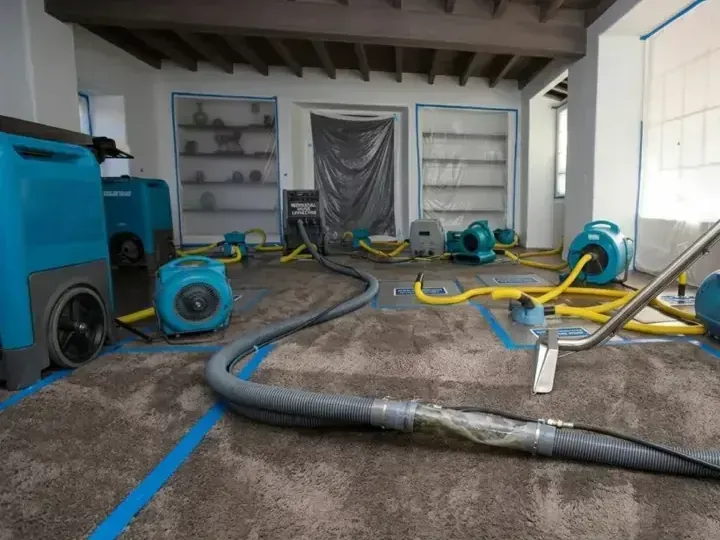
Drying is not the first response to contaminated water. Air movement can spread material from the affected area. Controlled removal and cleaning come before a drying setup suited to the remaining building components.
Who handles the wastewater service problem?
Seabrook Island Utility Commission provides the town's wastewater service. The owner may need utility communication and plumbing evaluation for the reported problem, while an interior cleanup scope addresses affected surfaces, materials and room access.
Does every wet item have to be discarded?
The decision depends on material, contamination contact and whether effective cleaning is possible. Porous layers can hold contamination internally. Durable items need individual assessment, with removal and retention decisions documented rather than based only on appearance.
What if the backup reaches a neighboring unit?
The inspection boundary should follow the affected construction. A manager or authorized association contact can coordinate access and communication with adjoining occupants. The cleanup record should show the inspected areas and any remaining access needs.
Is the room ready when the odor disappears?
Completion requires contaminated material removal, appropriate surface cleaning and assessment of retained components. A change in odor can occur before those tasks are finished. The work record should identify what remains before the room returns to use.
Should the bathroom be tested by flushing?
Repeated use can add wastewater while the cause remains unresolved. Stop using affected fixtures and provide the observed sequence to the plumbing professional. Testing should follow a controlled repair assessment rather than repeated occupant use.
Sewage backup cleanup in Seabrook Island
For homes, villas and business properties, provide the drain location, rooms affected and whether wastewater is still entering. An authorized contact should coordinate entry and any needed communication about the continuing drainage problem.
The same service nearby: sewage backup cleanup in Johns Island, Kiawah Island, Folly Beach.
Water damage restoration in Seabrook Island · every town covered
Arrange sewage damage assessment
A clear cleanup scope separates drain coordination, contaminated material removal and drying so the owner understands each remaining task.
(888) 532-8921Discuss safe cleanup access