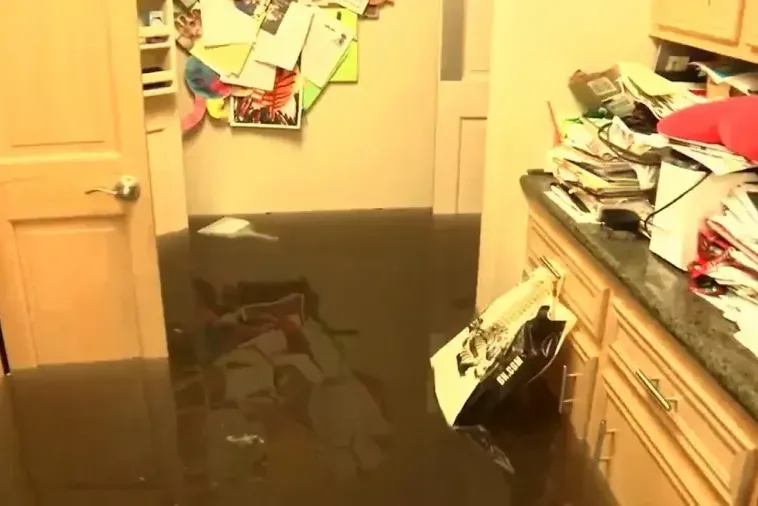
Kiawah Island has interconnected stormwater ponds with outfalls that discharge toward river or marsh. The town drainage report describes gravity drainage when tides are low enough and high tides that constrain discharge. For a homeowner finding water in a garage, establishing safe entry and identifying wet surfaces and stored items gives the cleanup team a defined starting area for the building response.
Key takeaways
- Wait for safe access before entering a garage with floodwater.
- Record garage door water marks and the location of affected storage.
- Keep pond and street observations attached to their actual locations.
- Check the wall between the garage and living space where water reached it.
- Restore storage only after the relevant cleaning and material checks are complete.
Understand how the pond account fits the property
The 2018 town report identifies the Beachwalker/Inlet Cove outfall for much of the drainage west of Vanderhorst Gate. It also names Canvasback Pond as an outfall location for another main basin.
These descriptions explain why a drainage conversation may involve ponds, marsh outlets and tidal conditions together.
At the house, the inspection should record where water approached the garage and which opening admitted it. A driveway observation, a garage door mark and a damp wall joint each belong at a named location in the file.
That arrangement keeps the outdoor drainage conversation connected to the actual building response.
The storm flood cleanup plan should identify current access, water contact and affected materials. Historical drainage descriptions can help organize questions for the property contact.
The removal and cleaning work still needs a room level scope based on the surfaces reached during this incident.
Make the garage safe to approach
Garages can contain powered equipment, stored tools and heavy objects that complicate entry after flooding. A vehicle route is not automatically a safe walking route when water conceals the floor.
The response team should assess the approach before occupants try to retrieve belongings or operate a door mechanism.
The owner should describe any wet electrical equipment and the location of household access through the garage. A dry alternate entrance may allow occupants to remain outside the work area.
Where access is restricted by standing water or unstable storage, the team needs that information before bringing equipment to the opening.
The report documents travel disruption during Tropical Storm Irma. For a new incident, access arrangements should follow current instructions and actual conditions along the approach.
The cleanup schedule and equipment route should be coordinated once the building can be reached safely, without asking occupants to enter floodwater first.
- Identify electrical equipment reached by the water.
- Keep heavy or leaning storage stacks undisturbed.
- Describe a dry entrance to the living space if available.
Sort stored contents without losing their locations
Boxes placed directly on the garage floor can hide the highest contact mark and hold water against a wall. Before sorting begins, photographs should show the arrangement as found.
A storage sketch with simple shelf and corner labels helps the owner track items after they move out of the cleanup area.
Wet absorbent goods need different handling from durable items that can be assessed for cleaning. The team should explain the separation method and the holding area for items awaiting a decision.
Unaffected belongings should remain apart from flood affected packaging, runoff residue and removed building material.
Contents decisions should also account for safe lifting and access to the walls. A heavy storage unit may need controlled movement before the wall behind it can be checked.
The owner should receive a record of what was moved, what surface became accessible and what the inspection found there.
- Photograph shelves and floor stacks before unloading.
- Label the original corner or bay for relocated goods.
- Keep clean storage out of the debris removal route.
Inspect the garage boundary with the house
A garage wall shared with living space deserves a deliberate inspection where water reached its base. The team should identify the wall assembly and check accessible adjoining surfaces.
A moisture map can show whether the affected area remains within the garage or continues into a neighboring room.
September 2017: river and marsh water entered Kiawah Island during Tropical Storm Irma, damaging some garages and first floor spaces. That event provides a concrete local reason to inspect the connection between these spaces carefully.
The current work record should describe the actual rooms and openings present at the property.
If an accessible lower enclosure is involved, its entry hazards and active water source need assessment before pumping. The lower space water removal service can be relevant to that separate area.
A garage inspection should identify such connections rather than treating every underfloor space as identical.
- Mark the garage wall nearest any wet living area.
- Include accessible trim and floor transitions in the checks.
- List lower spaces separately when they require their own access plan.
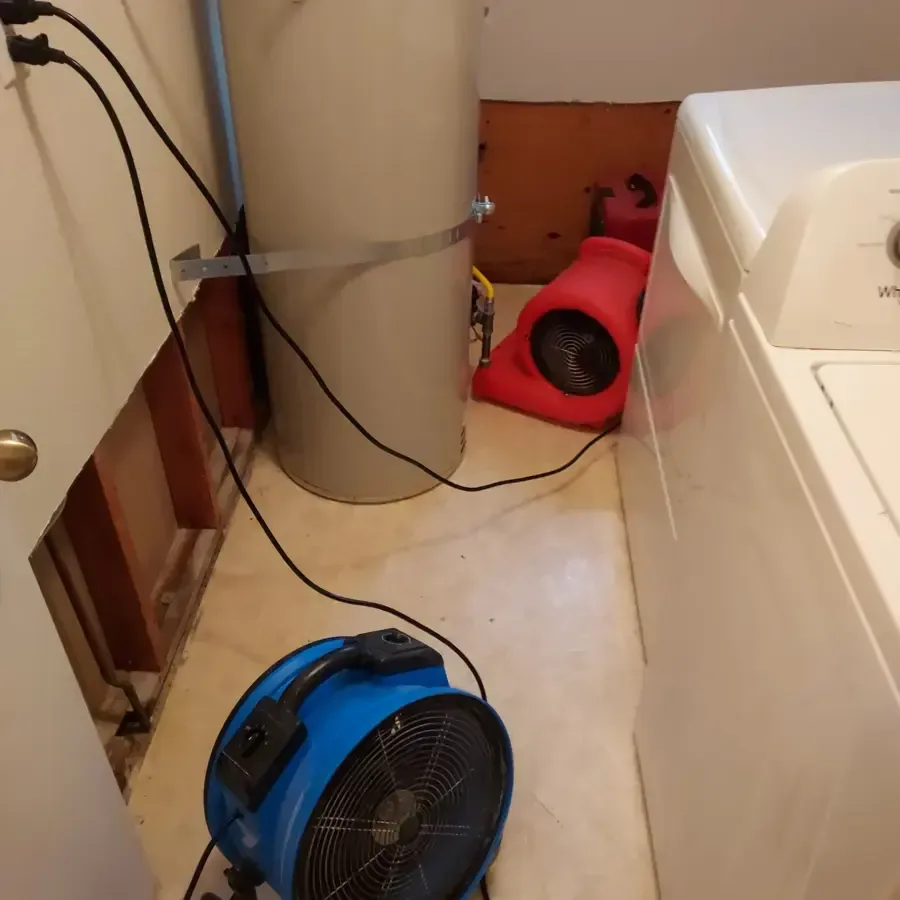
Clean flood residue before restocking
Garage floor residue can collect in joints, at wall edges and beneath shelving. The cleanup plan should identify which surfaces are reachable and which need further access.
Removing visible liquid is followed by material assessment and cleaning appropriate to the floodwater contact.
Wallboard, stored packaging and other absorbent materials may require removal according to their condition and contamination. The team should document those decisions before disposal.
A clear removal boundary also helps the owner understand which wall finishes or storage fittings need replacement after the retained structure has been addressed.
Restocking should wait for the relevant surface and material assessment. Returning boxes against a wall can block monitoring or conceal a wet base that still needs access.
A temporary storage arrangement lets the garage remain organized without covering the portions of the building still involved in cleanup.
Monitor retained walls and floor edges
The drying assessment should distinguish exposed hard surfaces from moisture held in retained wall components. Readings at the original contact boundary can reveal uneven response.
That information directs equipment changes and any further inspection needed at corners or behind fixed storage.
A garage door opened for deliveries or household access can change the conditions around drying equipment. The owner should report these operating changes and keep the agreed equipment clearances available.
The team can then interpret monitoring results alongside the way the space has been used.
If outside water approaches the opening again, the new observation should be communicated before storage or finish work proceeds. A recurring entry may require renewed source coordination and another assessment of the room.
The updated record should preserve the distinction between earlier completed work and the new contact area.
Keep drainage reporting and finish repair coordinated
The historical pond report identifies sand, pine straw, mulch and yard debris as drainage obstructions. Observed debris outside the property can be reported to the responsible maintenance contact from a safe location.
Occupants should avoid altering shared outfalls or entering drainage structures while arranging interior restoration.
The garage repair file should separately list removed wall finishes, affected trim, retained structure and contents handling. Photographs of exposed edges can help a repair contractor plan the next work.
Any drainage or exterior building repair findings should be attached so the relevant trades share the same entry history.
The final storage arrangement should preserve access to completed repairs for the closing inspection. The homeowner can compare the original garage map with the finished condition and outstanding tasks.
A written record of retained items and remaining specialist evaluations keeps the cleanup from ending with an unexplained pile of displaced belongings.
Questions
Can the garage door opener be operated after flooding?
A powered door mechanism or its connected electrical components should be assessed when water contact is possible. The owner should describe the exposure and leave operation to the appropriate professional until safe use has been established.
Should a homeowner adjust a pond outlet to drain the garage?
Shared drainage equipment belongs with its responsible maintenance personnel. The homeowner can provide photographs of observed pooling or debris while the cleanup team assesses the building and its contents.
Why check a wall facing the living room?
Water at the garage wall base may reach materials shared with the adjoining space. Accessible checks on both sides help define the extent of work and show whether the living room needs additional attention.
What belongs in a garage contents list?
Useful entries identify the original storage position, item condition, handling decision and current holding location. Keeping those details together makes it easier to reunite retained goods with the restored space.