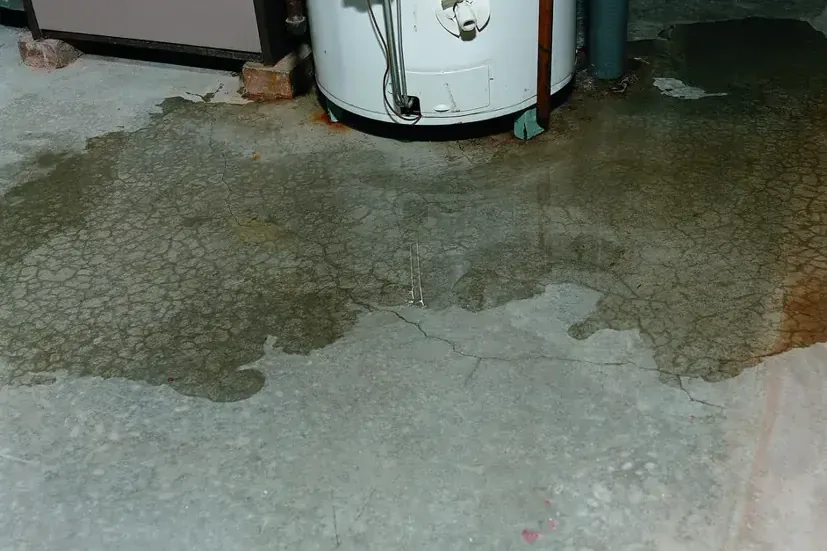
Seabrook Island housing includes second homes, vacation homes and short term rental properties, where a water heater leak discovered between visits may leave an owner making decisions from elsewhere. The useful first report identifies the tank area, active discharge, nearby electrical concerns and rooms that became wet. A clear local contact helps connect safe source isolation with the work needed around the escaped water.
Key takeaways
- Assign an authorized property contact who can provide safe access.
- Ask for photographs of the tank area and connected wet rooms.
- Have the appropriate professional address tank isolation and repair.
- Keep contents movement documented when the owner is absent.
- Require a written handoff separating drying completion from finish repairs.
Build a concise discovery report from a distance
The person finding the water should describe where it is collecting and whether discharge continues. A photograph of the whole utility area can show the tank, nearby storage and the path into another room.
Close views can follow from a safe position when electrical and access conditions allow them.
The absent owner should provide the discovery contact with a simple list of information to preserve. This includes the earliest known wet area, any action already taken and changes observed afterward.
A reliable sequence helps the inspecting trades understand the condition they will find when access is arranged.
The water heater leak cleanup assessment should use that report to plan the building inspection. The tank itself needs source evaluation, while surrounding floors and wall bases need a separate moisture scope.
Naming both tasks at the outset helps the owner follow the response remotely.
- Identify who first entered the property and when.
- Describe active discharge without operating wet equipment.
- Photograph connected rooms as well as the tank area.
Give the local contact clear authority and access
A property manager, caretaker or other authorized person may be able to admit the inspecting trades. The owner should identify who can approve mitigation work and how proposed changes will be communicated.
Keeping those roles explicit avoids uncertainty when an inaccessible cabinet edge or wet adjoining room is discovered.
Access details should include the entry method, occupied spaces and any belongings that need special handling. Private access information should be shared through the agreed service arrangement.
The work record can simply identify the responsible contact without circulating keys or entry credentials with general project photographs.
Seabrook Island includes detached cottages, individual homes and multifloor residential arrangements. The owner should describe the actual building and utility area so the team arrives with the right access questions.
A tank in a confined room may require different movement planning from one beside an open storage area.
- Name the person who can authorize additional access work.
- Explain any occupancy or room entry restrictions.
- Agree how inspection photographs and updates will be shared.
Tank work and safe water control
The relevant plumbing professional should assess the leaking water heater and determine isolation or repair. Electrical or other energy hazards need appropriate handling before nearby equipment is operated.
A caretaker should not stand in water or manipulate unfamiliar wet controls while trying to stop the release.
The Seabrook Island Utility Commission provides local water and wastewater service. A service concern can be directed to the appropriate utility contact, while the property tank and escaped interior water need their own assessment.
The owner should keep any utility communication alongside the plumbing findings when it relates to the incident.
The source record should identify what was found, what was isolated and what work remains on the tank. A replacement appointment may occur separately from material drying.
The owner needs to know how the trades will keep the area accessible and avoid introducing new water to materials already being addressed.
Inspect the utility room beyond the tank footprint
A leaking tank can wet the wall behind it, nearby trim and connected flooring before water becomes obvious at the doorway. The inspection should include accessible edges around fixed equipment.
A clear material map helps the remote owner understand why the scope extends beyond the visible puddle in the first photograph.
The water extraction work should address collected liquid along the observed route. Shelving and stored contents may need controlled movement to reach floor edges.
Each move should be recorded so the owner can distinguish the original arrangement from the space created for inspection and drying.
If another room is affected, its findings should appear separately with its own photographs. A connected floor finish can conceal moisture beyond the utility room.
Listing the rooms individually makes estimates and progress reports easier to evaluate than referring vaguely to water throughout the property.
- Check accessible wall bases behind and beside the tank.
- List storage items moved to expose the floor.
- Use consistent room names in photographs and proposals.
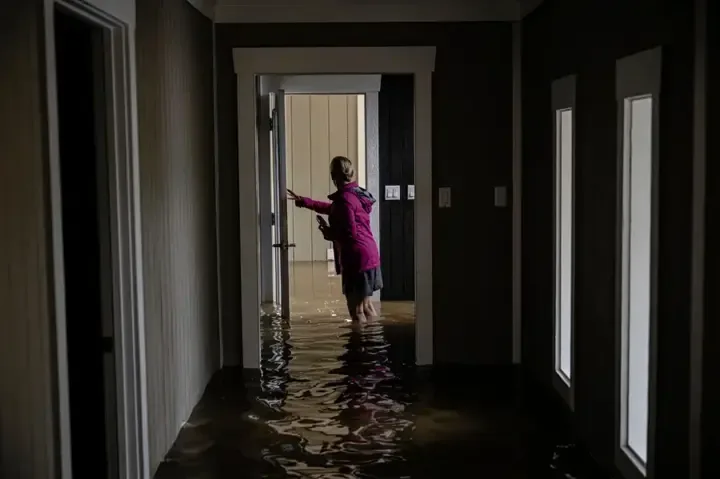
Keep possessions accounted for while nobody is home
The owner may need to authorize movement or removal of wet belongings without seeing them in person. Photographs should show the item condition and its original position before a decision is requested.
A brief item list with a proposed handling action allows a focused response instead of a general instruction to clear the room.
Retained possessions should have a named temporary location. The property contact should know which rooms contain displaced items and which passages must stay clear for equipment.
This reduces the chance of returning contents to a damp wall base simply to make the house look ready for the next visit.
Items requiring another specialist assessment should be marked as pending in the record. A remote owner can then arrange that evaluation separately from building cleanup.
Clear status labels are particularly useful when several people visit the home and each sees only part of the work in progress.
Request progress in terms of materials and locations
A useful drying progress report identifies retained materials and their measured response. The owner should be able to connect a slow responding wall base to a photograph and room label.
An equipment count or a picture of a fan alone leaves the material condition unexplained.
The local contact should tell the team about power loss, equipment movement or an access interruption between visits. Those events belong in the monitoring record.
A consistent communication path helps the drying team interpret the readings without relying on separate messages from several people entering the home.
The owner should also receive notice of any new source symptom. Water appearing again after isolation may require further investigation and an updated scope.
A dated photograph and a clear location allow the relevant professional to respond while preserving the sequence of the original tank incident.
Prepare the house for the next visit
The final handoff should state the tank status, completed material work and remaining finish repairs. The person returning to the property needs to know which utility functions and rooms have been cleared for their intended use by the responsible trades.
That information should be explicit rather than inferred from an empty equipment area.
Repair photographs should show exposed wall and floor edges that will later be covered. The owner can share them with the contractor preparing replacement trim, flooring or cabinetry.
The proposal should identify the specific repair areas and how displaced contents will be returned after that work.
A closing contents list should reconcile items retained, removed and awaiting further attention. Combined with the source invoice and drying record, it gives the absent owner a practical account of the job.
The same file can help a property manager prepare the home for a later arrival without overlooking unfinished utility room work.
Questions
What can a caretaker safely report without diagnosing the tank?
The caretaker can describe visible discharge, the rooms reached and any wet electrical components from a safe position. The tank diagnosis and isolation method belong with the appropriate service professional.
Can the owner approve contents decisions remotely?
Photographs, item descriptions and a specific proposed action can support remote authorization. The work record should retain that decision and identify where any belongings kept for later assessment are stored.
Why does a small utility room need several photographs?
Different views show the tank footprint, hidden wall edges and the route toward adjacent rooms. Together they allow an absent owner to follow the scope without relying on a single puddle photograph.
What should be checked before guests return?
The property contact should check outstanding source repairs, material work, equipment evaluations and access restrictions. Guest readiness depends on the condition and intended use of the affected spaces as well as the completion of mitigation.