Water collecting against a Johns Island doorway can leave a narrow visible puddle and a much wider wet floor assembly. The Stono River, tidal creeks, coastal flooding and flash flooding are part of the local setting. Inside a home, the response begins with safe access and a clear threshold record that connects outdoor conditions with the wet materials and rooms needing attention.
Key takeaways
- Keep occupants away from water touching electrical equipment or unstable flooring.
- Photograph the doorway and connected floor edges from a dry position.
- Report whether water is still entering before extraction equipment is arranged.
- Include adjoining rooms and concealed floor layers in the moisture inspection.
- Complete cleaning and measured drying before reinstalling affected finishes.
What the threshold reveals
A door sill can hold debris, a water mark or a damp joint after the larger puddle has receded. Photographs should include the whole opening and a closer view of the floor immediately inside it.
That pairing gives the inspection team a useful starting point without disturbing wet materials.
The report should describe whether the door was open, whether water crossed the sill and which room showed it first. A homeowner can also note exterior pooling visible from a safe location.
Those observations are most useful when recorded before foot traffic spreads water across another surface.
Johns Island is partly inside Charleston municipal limits. The property location should accompany any report about outside drainage, while the interior water extraction assessment follows the doorway, flooring and connected rooms.
Source correction and indoor cleanup can then be assigned to the appropriate work scopes.
- Keep a wide photograph showing the door and nearby floor.
- Note the earliest visible wet edge and any later expansion.
- Describe continuing entry without stepping into outdoor floodwater.
Protect a dry route through the house
A cleanup route should avoid dragging wet rugs, shoes or equipment through unaffected living areas. Occupants can remain behind a dry boundary while the response team assesses the room.
Children and pets should stay away from collected outside water and from materials waiting for removal.
Water beside a cord, outlet or appliance changes the access decision. Electrical evaluation belongs ahead of powered extraction wherever wet equipment or energized components may be involved.
A person should not cross the puddle to reach a switch or move a plugged in device.
A clear approach also helps preserve contents. The team can document movable items before shifting them to a suitable holding area, keeping wet possessions separate from dry ones.
Heavy furniture resting on unstable flooring should remain undisturbed until its movement can be planned safely.
- Identify an entrance that stays outside the affected room.
- Keep extension cords and portable devices away from wet traffic.
- Label a separate holding area for contents awaiting assessment.
Follow water beyond the visible puddle
Flooring joints, perimeter trim and cabinet edges deserve attention even when they look less wet than the center of the room. The inspection compares affected materials with suitable dry material and records the locations.
The resulting map can extend past the original puddle without requiring every surface to be removed.
An adjoining room may share a continuous floor finish or wall base with the entry room. Checking the connection explains whether moisture continued across the doorway.
A marked room sketch keeps later readings tied to the same places, including concealed layers reached through carefully selected access points.
Photographs of exposed edges help the repair team understand the floor assembly. The record should distinguish a wet finish from wet material beneath it and identify which layers remain in place.
This detail matters when a floor looks dry on top while the inspection still finds moisture below.
Remove incoming water and residue in sequence
Extraction reduces the liquid present in accessible areas, but the response must also address continuing entry. The team needs an update if outside water is rising against the door again.
Equipment and temporary protection should be arranged around actual access and the observed route into the building.
Outside water can carry soil and debris into joints and porous finishes. The storm and flood cleanup scope includes evaluating that contact before deciding which materials can remain.
Spreading air across dirty wet surfaces is not a substitute for removing collected water and handling residue.
Removal decisions should be explained by material condition and cleaning access. A retained hard surface may require a different approach from absorbent backing concealed underneath it.
The owner should receive a description of what will be lifted, what will be cleaned and where the team needs additional access.
- Report renewed entry while equipment is operating.
- Keep removed material contained along the designated route.
- Record the condition beneath each lifted floor edge.
Use measurements to manage the drying area
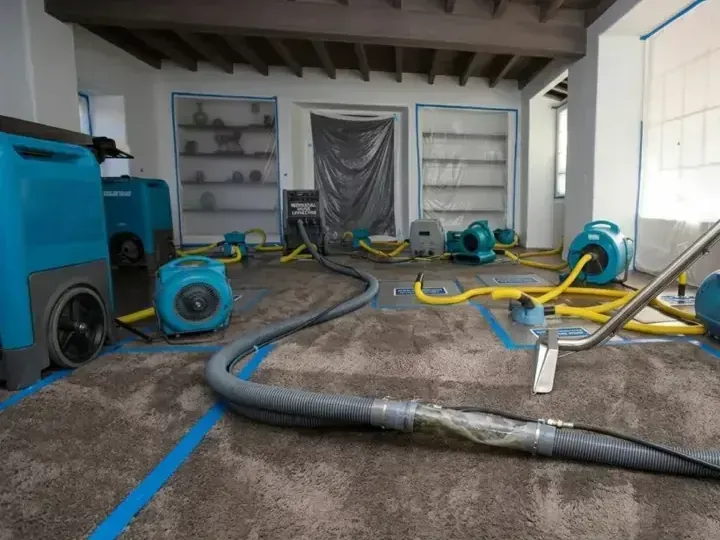
Once suitable materials have been cleaned and accessible liquid removed, drying addresses moisture retained in the building. Air movement and dehumidification work within the inspected area.
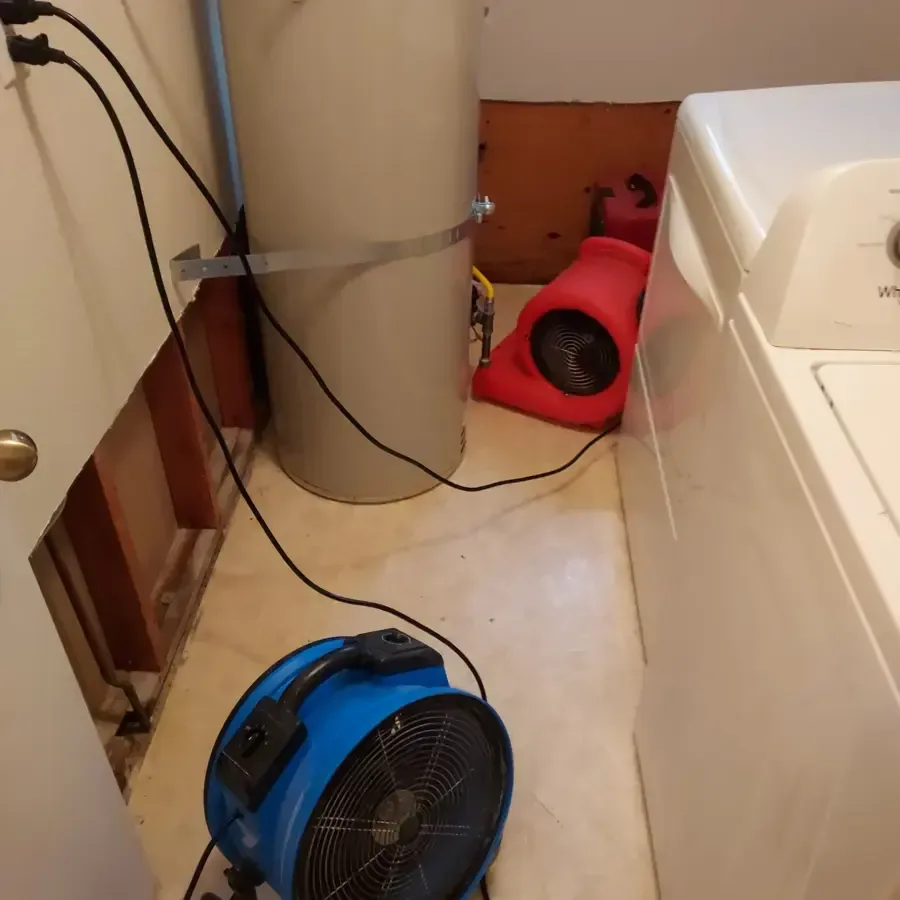
Their placement should account for corners, floor edges and other locations that respond differently from open room surfaces.
The structural drying record should show repeat readings at marked material locations. Changes in equipment arrangement can then be linked to the response of the room.
A stubborn wet area may need another look at access, the material layers or continuing water entry.
Occupants should tell the team about doors left open, equipment moved or power interrupted. Those changes can affect how the drying area operates and help explain a change in readings.
A simple daily observation record is more useful than judging completion by room temperature or fan noise.
Keep exterior repairs connected to the interior file
The Stono River separates the island from the mainland, and tidal creeks are among the regional flood hazards listed by Charleston. A property file should pair the local event observations with the actual opening where water entered.
Repair planning can then address the specific sill, drainage or building condition found during inspection.
Exterior work and interior restoration need a clear handoff. If another trade changes the threshold or completes drainage work, its findings should be attached to the same room record.
Photographs taken before and after that work help explain what changed at the entry point.
The homeowner should retain details of temporary measures as well as permanent repairs. A temporary barrier may affect access during cleanup, while a later sill repair may alter the finish replacement sequence.
Keeping both in the file helps the people completing the room avoid covering an unresolved opening.
Review the room before finishes return
The closing walk through should revisit the doorway, adjacent wall bases and the farthest measured wet edge. Final material readings belong beside the initial map.
The record should show which contents returned, which finishes were removed and which surfaces still await a separate repair.
A room can need finish work after mitigation equipment has been removed. The scope should identify that remaining work clearly, including any floor transition or trim affected by inspection access.
Owners can then compare repair proposals against the actual exposed assembly and avoid vague allowances for an entire room.
Before closing the file, the owner should have the entry observations, removal photographs and drying results together. The next contractor can use that record to plan replacement materials and protect completed work.
Any new water at the door should be reported as a fresh observation with its own date and location.
Questions
Should a wet entry rug be carried into another room?
A saturated rug should stay separated from clean furnishings until its water contact and handling needs have been assessed. The cleanup team can select a contained movement route and record the floor beneath it before relocation.
Can a dry looking floor edge still need checking?
Surface appearance is only part of a floor inspection. Readings at seams and accessible underlying layers show whether retained material needs further attention before trim or flooring is put back.
What helps when the owner missed the first entry?
The earliest available photograph, visible marks at the sill and a description of changes since discovery provide a useful starting record. A neighboring room that became wet later should be identified separately.
Does doorway cleanup include replacing the exterior door?
A door replacement belongs in the repair scope when the inspection identifies that need. Extraction and drying records should describe the surrounding materials so the repair contractor can coordinate that work with finish restoration.